
Bellary Fort Travel Guide
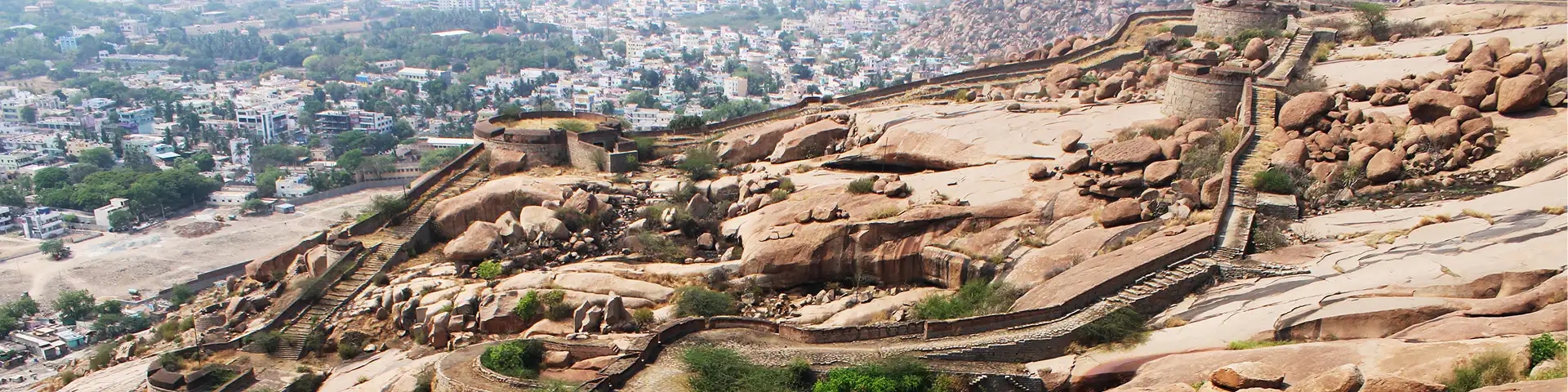
Perched atop the massive monolithic Ballari Gudda, the historic Bellary Fort is a dual-layered marvel of Karnataka’s military heritage. Originally founded by Hanumappa Nayaka during the Vijayanagara era, it was later fortified by Hyder Ali and a mysterious French engineer. Its "Upper Fort" citadel and "Lower Fort" defences, featuring the sacred Kote Anjaneya Temple, massive stone walls, bastions, and hidden passages like Obavanna Kindi make it architecturally unique. A highlight in any Bellary Fort travel guide, the site rewards visitors with sweeping city views and enduring tales of valour.
About Bellary Fort
Bellary Fort’s fascinating history began in the 16th century when Hanumappa Nayaka, a feudatory of the Vijayanagara Empire, built the Upper Fort as a citadel atop Ballari Gudda. Overlooking the city, it later became the residence of the Hande family. The fort's strategic importance grew in the 18th century when Hyder Ali, the ruler of Mysore, commissioned a French engineer to construct the formidable Lower Fort and refurbish the original structure. However, the engineer's strategic miscalculation regarding a nearby hill led to his execution—his preserved grave now stands as an unusual historic monument at the east gate. This layered past makes the fort a compelling stop for anyone following a Bellary Fort travel guide. To truly appreciate its military architecture and poignant stories, consider the pleasant winter months as the best time to visit Bellary Fort, allowing for comfortable exploration of its dual fortifications.
What to Expect?
When you arrive at Bellary Fort, expect to be greeted by the awe-inspiring sight of a monolithic granite hill, Ballari Gudda, seamlessly fused with man-made military precision. The experience is divided into two distinct atmospheres: the sprawling Lower Fort at the base, which once served as a bustling administrative and residential hub, and the rugged Upper Fort citadel perched at the summit.
As you begin your ascent, you’ll navigate steep, winding stone pathways carved directly into the rock, a testament to the ingenious 16th-century engineering of the Vijayanagara era. The ambience is one of ancient resilience, where massive laterite bastions and three-tier fortifications stand guard over the city. One of the most unique things to do at Bellary Fort is to explore the Upper Fort’s self-sustaining ecosystem, featuring deep granite-carved water reservoirs and granaries that once allowed soldiers to survive year-long sieges.
The architectural journey is a fascinating blend of Hindu, Islamic, and British colonial styles. You’ll encounter the sacred Kote Anjaneya Temple and elegant domes of historic mosques, alongside the mysterious "Grave of the Unknown French Engineer" at the East Gate. For those seeking panoramic vistas, the summit offers a breathtaking 360-degree view of Bellary city, especially magical during the "golden hour." To make the most of your trip, any reliable Bellary Fort travel guide would recommend a guided tour to uncover stories of the Hande Nayakas and Hyder Ali’s strategic enhancements. The best part? The fort remains relatively uncrowded, allowing for quiet reflection at the various viewpoints. For the best time to visit Bellary Fort, aim for a crisp winter morning to enjoy the climb without the intense Deccan heat. From photographing intricate stonework to exploring hidden turrets, Bellary Fort offers a deeply immersive leap into Karnataka’s storied past.
Best Time To Visit Bellary Fort
The ideal time to explore Bellary Fort is undoubtedly between October and March, when the post-monsoon and winter weather transforms the experience into a genuinely pleasant adventure. During these months, the intense heat of the Bellary sun gives way to cooler, more forgiving temperatures, making the climb to the Upper Fort not just manageable but truly enjoyable. For the best possible visit, plan your excursion for early morning, around 7 AM, to witness a breathtaking sunrise painting the sky over the historic ramparts, or opt for late afternoon, from 4 PM to 6 PM, when the golden hour light creates magical photo opportunities, and the temperatures are perfect for wandering. These windows also help you avoid the midday crowds, allowing for a more personal connection with the fort's serene ambience.
When checking a Bellary Fort travel guide, you'll often find that these cooler months are highlighted as the best time to visit Bellary Fort for good reason—the summer months can be prohibitively hot for the approximately 400-step trek. While the fort welcomes visitors throughout the year, planning your trip during this optimal window ensures you can fully appreciate all the things to do at Bellary Fort, from walking the formidable walls to discovering hidden corners like the French engineer's grave without feeling rushed or uncomfortable.
A practical Bellary Fort travel tip is to always carry water, regardless of the season, and remember that the fort is generally open from 8 AM to 5:25 PM daily, so timing your arrival to align with the cooler parts of the day will make your exploration of this magnificent places to visit in Bellary Fort both memorable and comfortable.
How To Reach Bellary Fort?
By Air:The nearest airport is Jindal Vijaynagar Airport (VDY) in Toranagallu, roughly 40 Km away. Alternatively, Kempegowda International Airport, Bengaluru, is 293 Km away.
By Train:Bellary Junction Railway Station is well-connected to Bengaluru, Hyderabad, and Hubli. From the station, it’s a short auto-rickshaw ride to the fort.
By Road:Frequent buses from Bengaluru (300 Km) and Hyderabad (380 Km) and well-maintained highways connect Bellary to major cities.
Nearby Tourist Spots
- Murugha Matha: A serene spiritual retreat located conveniently right within the fort premises.
- Hampi: A UNESCO World Heritage Site, this ancient Vijayanagara Empire capital boasts stunning ruins and temples, a must-see for history lovers.
- Daroji Sloth Bear Sanctuary: Asia's first sloth bear sanctuary, where you can observe these creatures in their natural habitat from a watchtower.
- Kumaraswamy Temple, Sandur: An ancient 8th-10th century temple complex dedicated to Lord Karthikeya, featuring intricate carvings.
- Ankasamudra Bird Sanctuary: A peaceful wetland haven for birdwatchers, home to thousands of resident and migratory birds.
- Ramanadurga Hill Station: A scenic hill offering panoramic valley views, historic fort ruins, and a peaceful atmosphere.
Tips for Visiting Bellary Fort
- Timings & Entry Fee: The fort is open daily from 8 AM to 5:25 PM; entry is ₹20-25 for Indians and ₹250 for foreign visitors.
- What to Wear: Dress in light, breathable clothing and wear sturdy, non-slip footwear for navigating the steep, rocky terrain.
- Essential Items: Carry plenty of water, sunscreen, and a hat, as the climb can be strenuous.
- Hire a Guide: Local guides enrich your experience with fascinating historical stories.
- Respect Heritage: Avoid littering or touching historic structures.
- Best Time to Go: Early mornings or late afternoons are widely considered the best time to visit Bellary Fort.
FAQs — Bellary Fort Travel Guide

Popular Tour Packages
Most booked holidays, hand-picked by our travellers