gangtok-tourism

Gangtok Tourism

The Charming Capital of Sikkim Wrapped in Himalayan Beauty

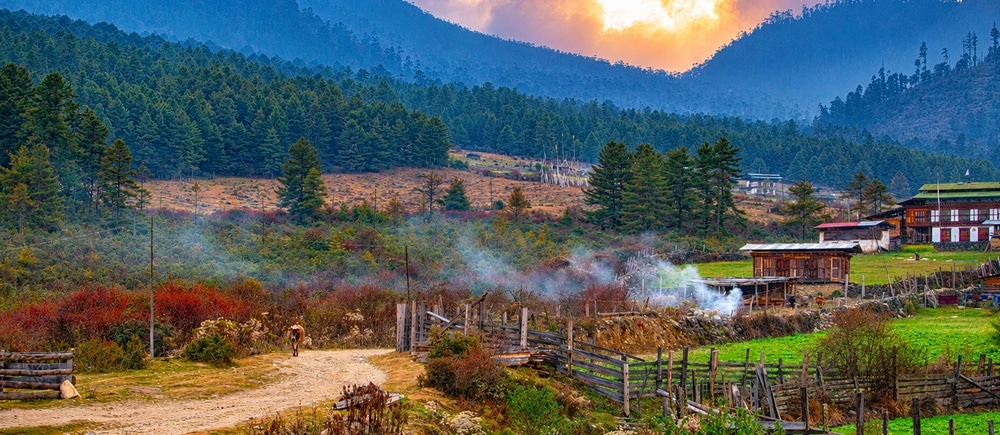
Perched high in the Eastern Himalayas, Gangtok tourism invites you to experience breathtaking mountain vistas, serene monasteries, and vibrant local culture. Whether you’re exploring spiritual sites, tasting Tibetan delicacies, or seeking adventure through trekking and paragliding, this charming capital city of Sikkim has something for everyone. Well-planned Gangtok tours and packages help you discover its scenic beauty and cultural richness, making it an ideal destination for nature lovers, spiritual seekers, and thrill-seekers alike. For your next getaway, Gangtok is a perfect choice.

Quick Stats:

  • Population: 281,293
  • Best Time to Visit: October to March
  • Famous For: Buddhist pilgrimage sites

About Gangtok

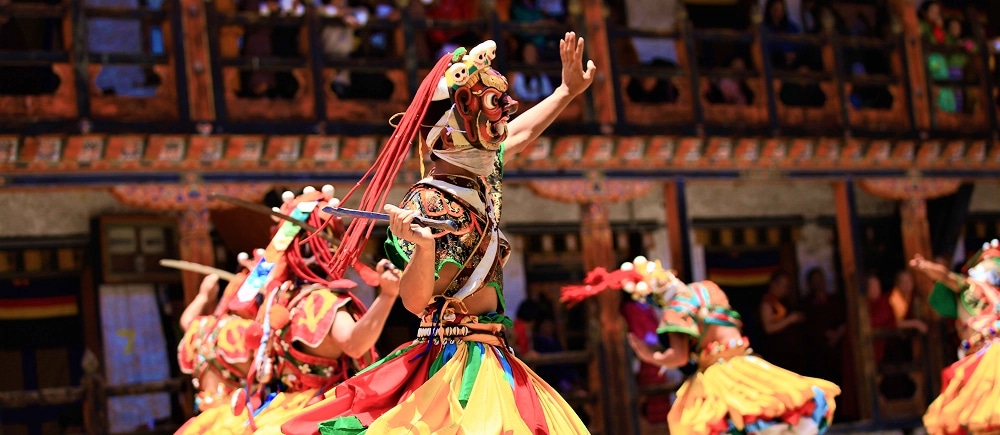
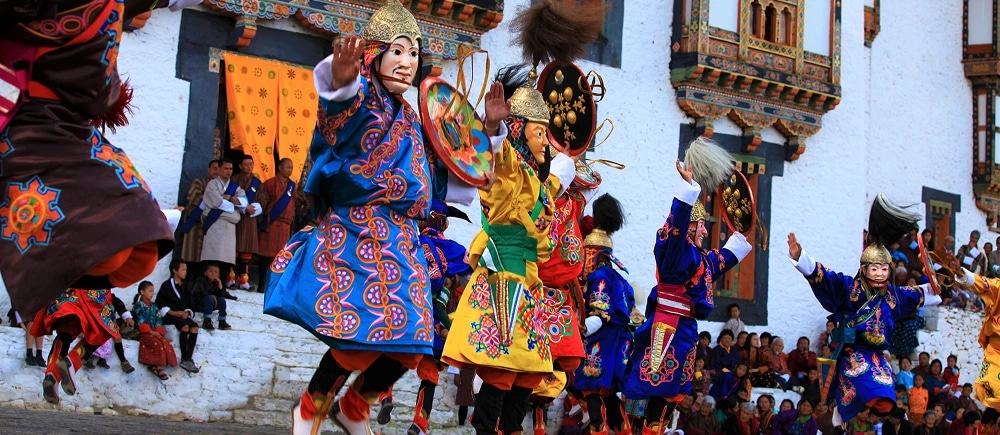
A vibrant blend of history and modernity, Gangtok grew from a 19th-century trade post into Sikkim's bustling capital. Its rich mix of Bhutia, Lepcha, and Nepalese traditions shines through colorful festivals, Chhaam dance, and local crafts. Geographically, the city sits on a steep Himalayan ridge, offering breathtaking views of Mount Kanchenjunga. Economically, Gangtok tourism is a major driver, supported by thriving handicrafts, organic farming, and sustainable smart-city initiatives. This unique mix of spiritual heritage, stunning landscape, and modern amenities makes Gangtok a must-visit destination, offering countless places to visit in Gangtok for every traveler.


Top Tourists Places To Visit in Gangtok

Enchey Monastery

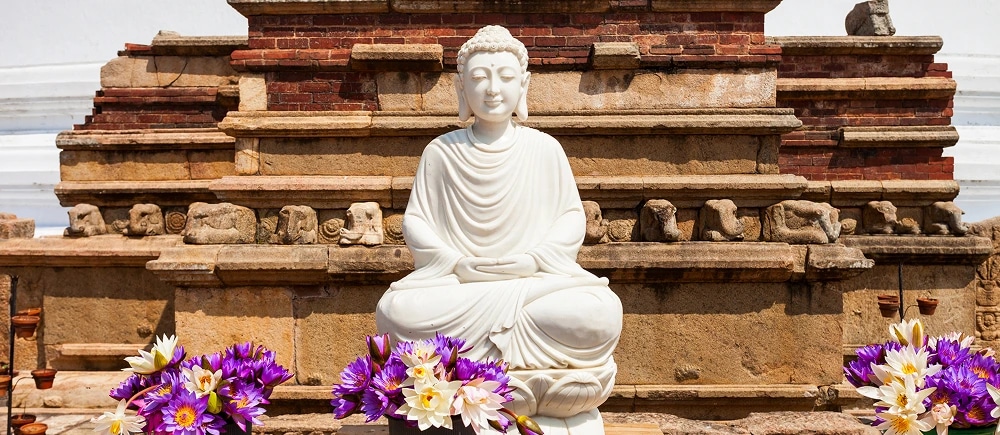
A significant monastery that is a key stop on many Gangtok tours and travels. Famous for its serene environment and the sacred Chaam dance by monks, it's a place to find peace with views of Mount Kanchenjunga. Entry is free, and the best time to visit Enchey Monastery is March to June or September to November.

Tsomgo Lake

A stunning glacial lake that is a cornerstone of Gangtok tourism. This sacred site is famous for its colour-changing waters that reflect the seasons. There is no entry fee, but a Protected Area Permit is required for all visitors.

Rumtek Monastery

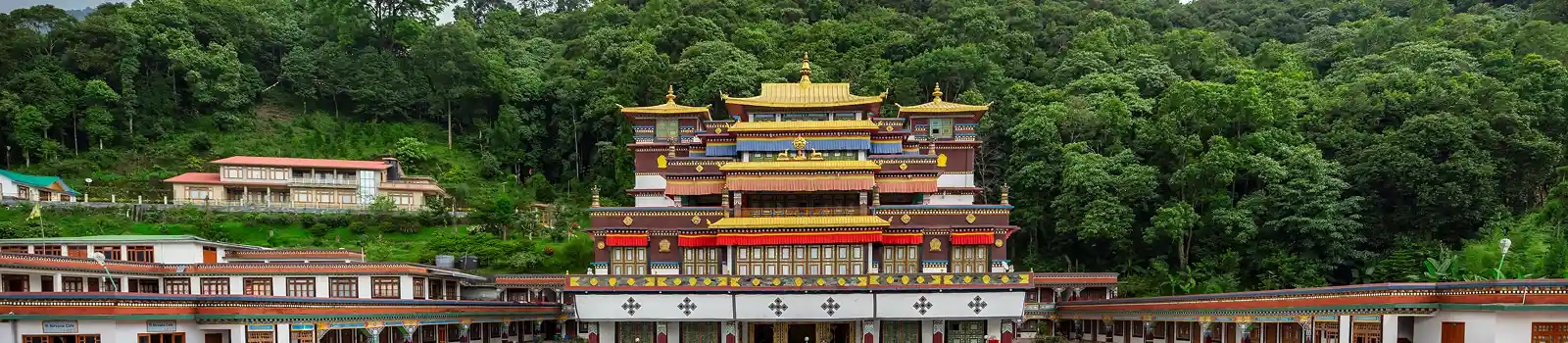
One of the largest and most significant monasteries in Sikkim, ideal for spiritual seekers on Gangtok tours and packages. Its exquisite architecture and sacred golden stupa make it a must-see. The best time to visitRumtek Monastery is October to May, with a nominal entry fee of ₹10.

Nathula Pass

This historically significant pass is a major attraction for Gangtok tourism. Famous for being one of the highest motorable roads in the world, it offers breathtaking views. A permit is necessary for this journey, and the best time to visitNathula Pass is from May to October.

Hanuman Tok

A prominent religious site and a key spot among places to visit in Gangtok, offering spectacular 360-degree views of the Himalayas. This temple, maintained by the Indian Army, has no entry fee. The best time to visit Hanuman Tok for clear skies and stunning views is January to March.

The Seven Sisters Waterfall

This famous waterfall is a popular stop on Gangtok tours and travels. Famous for its unique seven-stage cascade, it is a perfect photography and picnic spot, especially during the monsoon season when its flow is at its peak. There is no entry fee.

Top Things To Do In Gangtok

Monastery Hopping

Explore iconic monasteries like Rumtek, Enchey, and Lingdum to experience Sikkim’s spiritual side. You’ll witness prayer rituals, ancient murals, and serene courtyards.

Duration & Timing: 2 to 3 hours.
Best For: History lovers and culture enthusiasts.
Approximate Cost: ₹20.

Visit Tsomgo Lake & Nathula Pass

A scenic drive takes you to the glacial Tsomgo Lake and further to Nathula, one of the highest motorable passeson theIndo-China border.

Duration & Timing: Full day trip.
Best For: nature lovers, adventure enthusiasts, and photographers.
Approximate Cost: Permit cost is around ₹200 per person, plus vehicle charges.

MG Marg Stroll & Food Tasting

Spend an evening exploring Gangtok’s pedestrian-friendly MG Marg. Sample local delights like momos, thukpa, and Sikkimese tea.

Duration & Timing: 1 to 2 hours.
Best For: casual travelers and foodies.
Approximate Cost: ₹300 - ₹500 per person.

Cable Car Ride

Take the Gangtok Ropeway for sweeping views of the town and surrounding valleys.

Duration & Timing: 10 to 15 minutes
Best For: families and couples.
Approximate Cost: ₹100 - ₹150 per person.

Waterfall Chasing

Head to Seven Sisters and Ban Jhakri waterfalls for a refreshing break amidst lush greenery.

Duration & Timing: 2 hours.
Best For: photographers and picnickers.
Approximate Cost: Entry is free or nominal.

Sunrise at Tashi Viewpoint or Hanuman Tok

Wake up early to watch the Kanchenjunga peaks glow at sunrise.

Duration & Timing: 2 hours.
Best For: photographers, peace seekers, and nature lovers.
Approximate Cost: Entry is free.

Best Time To Visit Gangtok

For most travelers, March-June and September-November are the best time to visit Gangtok, with clear skies, 18°C - 25°C temperatures, and ideal conditions for sightseeing, trekking, and photography. Summer brings pleasant weather and moderate crowds, perfect for family trips and honeymooners, while autumn offers crystal-clear Kanchenjunga views.

December-February is chilly (2°C-7°C) but great for snow lovers. Monsoon (July-August) sees heavy rainfall, fewer tourists, and budget-friendly stays but limited outdoor activities. Key festivals like Losar (Feb/March), Saga Dawa (May/June), and Pang Lhabsol (August/September) add cultural charm. Pack light layers in summer, warm jackets in winter, and rain gear during monsoons for a comfortable Gangtok tourism experience.

How To Reach Gangtok?

By Air :

The nearest airport is Bagdogra (123 Km away). From the airport, hire a private taxi or take a shared cab for a scenic drive to Gangtok. Helicopter services are also available for a quicker option.

By Rail :

New Jalpaiguri (NJP) is the closest railway station, 114 Km from Gangtok, well-connected to major Indian cities. Continue your journey by taxi or bus.

By Road :

Gangtok is connected by smooth roads from Siliguri, Darjeeling, and Kalimpong. Opt for private cabs or shared jeeps for a budget-friendly option.

Things To Know Before Visiting Gangtok

  • Packing: Carry woollens year-round; it can get surprisingly cold, even in summer, at higher altitudes.
  • Permits: A Protected Area Permit (₹200 per person) is required for certain places; Nathula Pass entry is only for Indian citizens via approved Gangtok tours and travels.
  • Transport: Gangtok has no airports. Bagdogra (123 Km) is the nearest airport, and New Jalpaiguri (114 Km) is the closest railway station, with taxis and shared cabs connecting to Gangtok.
  • Travel Responsibly: Avoid single-use plastics, manage waste responsibly, and shop local to support Sikkimese artisans.
  • Etiquette: Dress modestly and follow monastery etiquette, especially during festivals and religious events. Always seek permission before photographing locals and engage kindly with the community.

Gangtok Travel Tips

  • Carry Cash: While cards are accepted in major hotels and restaurants, cash is essential for local markets, taxis, and small eateries.
  • Choose the Right Season: For clear views and blooming flowers, visit between March-April or October-November. For a budget trip, travel during May-June or January-February, but be prepared for rain or cold.
  • Avoid Monsoon Travel: June-July brings heavy rainfall and landslides, making commuting difficult, though budget stays are cheaper.
  • Pick the Right Stay: Opt for budget hotels or homestays near MG Marg for easy transfers. Book early during peak season and check for online deals.
  • Try Local Food: Enjoy Gangtok’s momos, thukpa, and other regional dishes at local cafés for a budget-friendly, authentic experience.

Travel Light & Green: Carry refillable bottles, avoid single-use plastics, and keep snacks handy for long drives.

FAQs:

The best time to visit Gangtok is from March to April, when flowers bloom, and October to mid-November, when skies are clear with stunning views of Mt. Kanchenjunga. Winter (Jan–Feb) is great for budget travelers, though it can get quite cold. Monsoon (June–July) is usually avoided due to heavy rains and landslides.

A 3–4 day trip is ideal for covering major attractions like MG Marg, Rumtek Monastery, and Tsomgo Lake. If you plan to include Nathula Pass, Lachung, or Yumthang Valley, extend your stay to 5–6 days. This allows enough time to relax and enjoy Gangtok’s unique culture, monasteries, and scenic views without feeling rushed.

Yes, Gangtok is considered one of India’s safest hill destinations for tourists. The locals are friendly and helpful, and crime rates are low. Standard travel precautions, such as keeping valuables secure and following local guidelines, are recommended. Weather-related disruptions during monsoon may affect travel plans, so check conditions before heading out.

Absolutely. Gangtok is very welcoming to solo travelers and female tourists. The city is peaceful, and locals are respectful. Women can comfortably explore MG Marg, monasteries, and viewpoints even in the evening. It’s still wise to choose well-reviewed accommodations and avoid secluded areas at night, as you would in any destination.

Pack warm clothes year-round, as the weather stays cool and can get colder at higher altitudes. Include good walking shoes, rain gear if traveling in the monsoon, sunscreen, sunglasses, and basic medicines. Carry ID proofs, as permits are required for Nathula Pass and some restricted areas. A refillable water bottle is a plus.

MG Marg is the most popular and convenient area to stay. It offers plenty of restaurants, shops, and easy access to taxis. If you prefer a quieter stay with great views, consider the Development Area or nearby homestays. Booking early is recommended during peak season as rooms near MG Marg fill up quickly.

Public transport like shared jeeps and taxis, are widely available and affordable. For sightseeing, most visitors hire a local cab for the day, as self-drive rentals are rare and roads are hilly. Tour operators also arrange vehicles for Nathula Pass and nearby trips, making independent car rental unnecessary for most travelers.

Gangtok does not have its own airport. The nearest airport is Bagdogra, about 123 Km away, which takes 4–5 hours by road. Helicopter services are available from Bagdogra to Gangtok for faster travel. A shared cab or private taxi is the most common way to reach the city center from the airport.

Gangtok offers a wide range of stays, from budget hostels and homestays to boutique hotels and luxury resorts. Homestays are great for cultural immersion, while MG Marg hotels offer convenience. Booking online often secures good deals and seasonal discounts.

For peak seasons (March–April and October–November), book hotels at least 4–6 weeks in advance to secure good rates and availability. During off-season, last-minute bookings are usually possible at lower prices. If planning a visit to Nathula Pass or Yumthang, book stays early as permits and transport get booked quickly.

Gangtok’s cuisine is a blend of Sikkimese, Tibetan, and Nepali flavours. Must-try dishes include momos, thukpa, sel roti, gundruk and kinema curry. Street stalls near MG Marg are perfect for snacks, while local cafés serve hearty soups and teas. For an authentic experience, try a homestay meal featuring traditional dishes cooked with local ingredients.

Yes, ATMs are available across the city, especially near MG Marg. Most mid-range and luxury hotels accept cards, but it’s advisable to carry sufficient cash for small vendors, taxis, and rural areas. Internet connectivity can be patchy in remote spots, so don’t rely solely on digital payments during your trip.