
leh-ladakh-tourism

Leh Ladakh Tourism

Leh Ladakh, situated in the northernmost part of India, is a dream destination for travelers seeking adventure, culture, and peace. Surrounded by the majestic Himalayas and Karakoram ranges, it is bestowed with turquoise lakes, sand dunes, and snow-covered peaks. Leh Ladakh tourism offers not just breathtaking landscapes but also the noble legacy of the Dards. Whether you desire to enjoy mountain trekking, camel safaris, or thriving monasteries, Leh Ladakh tours and travels assures an once-in-a-lifetime experience.

Quick Stats

  • Population: ~2.9 lakh (2021 Census estimate)
  • Best time to Visit: May - Sept
  • Renowned For: Monasteries, Pangong Lake, Nubra Valley, trekking, adventure sports

About Leh Ladakh

Leh Ladakh is a place where ancient culture meets stunning natural beauty. 

  • History of Leh Ladakh - It has deep roots in the Indus Valley Civilization. The Dards or Aryan tribes still keep their traditions alive here.
  • Culture of Leh Ladakh - It is popular for its Buddhist monasteries, vibrant festivals, and unique rituals that blend Tibetan and Ladakhi influences.
  • Geography of Leh Ladakh - Surrounded by mountains, it features high-altitude deserts, lush valleys and hot springs.
  • Why Visit Leh Ladakh : To experience nature’s beauty, from shimmering lakes to snowy peaks, and discover the rich traditions that make Leh Ladakh tours and packages memorable.

Top Tourists Places To Visit in Leh Ladakh

Pangong Lake

A stunning high-altitude brackish lake, Pangong Lake is renowned for its crystal-clear waters that change color with the sunlight—from shades of blue to green. Popularized by Bollywood films, it is a paradise for photographers and nature lovers alike.

  • Highlights: Photography, camping, sunrise views.
  • Best Time to Visit: May to September

Nubra Valley

Nubra Valley is a scenic desert oasis, famous for its vast sand dunes, double-humped Bactrian camels, and picturesque monasteries. It offers travelers a blend of adventure and culture, from camel safaris across the dunes to visits to Diskit Monastery, which houses a giant statue of Maitreya Buddha.

  • Highlights: Camel safari, Diskit Monastery, sand dunes, village tours
  • Best Time to Visit: June to September

Magnetic Hill

Magnetic Hill is a natural optical illusion where vehicles appear to roll uphill against gravity. Surrounded by dramatic mountain scenery, this unique spot attracts photographers, bikers, and curious travelers. A visit here offers not only a fun experience but also a chance to enjoy the panoramic landscapes of the Ladakh region.

  • Highlights: Photography, biking, unique optical illusion experience
  • Best Time to Visit: May to October

Thiksey Monastery

Thiksey Monastery, resembling Tibet’s iconic Potala Palace, is one of the largest and most impressive monasteries in Ladakh.

  • Highlights: Monastic rituals, giant Buddha statue, cultural immersion
  • Entry Fee: ₹30

Khardung La Pass

Khardung La Pass, at 18,380 ft, is one of the highest motorable roads in the world. The pass offers a thrilling adventure for bikers, drivers, and mountaineering enthusiasts.

  • Highlights: Adventure drives, mountain biking, panoramic views
  • Best Time to Visit: May to September

Hemis Monastery

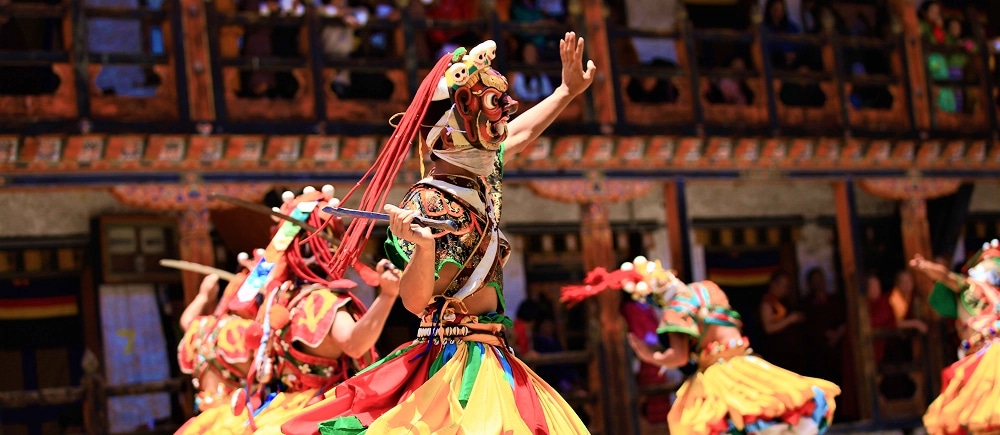
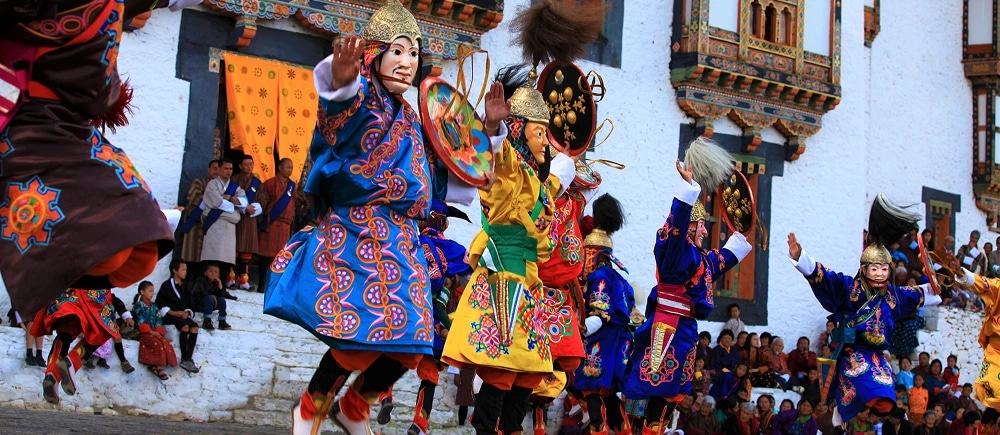
Hemis Monastery is famous for the annual Hemis Festival, celebrating Guru Padmasambhava. Visitors can witness vibrant cultural dances, traditional music, and explore the monastery’s rich collection of Buddhist relics and artifacts

  • Highlights: Cultural dance performances, Buddhist relics, festivals, spiritual experience
  • Best Time to Visit: June

Top Things To Do In Leh Ladakh

Trekking in Markha Valley & Stok Kangri

Embark on high-altitude trekking in the scenic Markha Valley or challenge yourself with the Stok Kangri trek.

  • Duration: 3–7 days
  • Best Suited For: Adventure seekers, nature lovers, fitness enthusiasts, and photographers
  • Cost: ₹2,000–₹5,000 (guide charges included)

Camel Safari in Nubra Valley

Ride the rare double-humped Bactrian camels across Nubra Valley’s sand dunes. Take in desert landscapes and visit Diskit Monastery nearby for cultural insight.

  • Duration: 1–2 hours per ride
  • Best Suited For: Families, couples, and explorers
  • Cost: ₹500–₹1,000 per person

Boating at Pangong Lake

Enjoy a serene boat ride on Pangong Lake’s clear waters while soaking in the Himalayan panorama.

  • Duration: 1–2 hours
  • Best Suited For: Couples, photographers, and nature enthusiasts
  • Cost: ₹200–₹400 per person

Visit Thiksey Monastery

Explore the majestic Thiksey Monastery with its giant Buddha statue and valley views.

  • Duration: 2 hours
  • Best Suited For: Culture seekers, photographers, and spiritual travelers
  • Cost: ₹30 per person

Hot Springs at Chumathang

Relax in natural hot springs amid cold desert landscapes, perfect after a long trek or road trip.

  • Duration: 1–2 hours
  • Best Suited For: Wellness travelers, couples, and nature lovers
  • Cost: ₹50–₹100 per person

River Rafting in Zanskar River

Experience thrilling rapids amidst stunning gorges on the Zanskar River. Perfect for adventure seekers.

  • Duration: 2–3 hours
  • Best Suited For: Adventure enthusiasts, groups, and thrill-seekers
  • Cost: ₹1,500–₹3,000 per person

Best Time To Visit Leh Ladakh

  • Peak Season (May to September): This is the best time to experience Leh Ladakh tourism. The weather is gentle skies are clear, and mountain passes are open. This turns the place perfect for road trips, trekking, sightseeing, and lake visits. Expect more tourists and higher accommodation rates.
  • Shoulder Season (April and October): This period is with moderate temperatures. Some high-altitude passes may still be closed. It's ideal for travelers who prefer less crowds and more budget trips.
  • Off Season (November to March): you can expect heavy snowfall, freezing temperatures, and limited access. But adventure seekers can enjoy the famous Chadar Trek and various snow activities.

How To Reach Leh Ladakh?

By Air :

Leh Kushok Bakula Rimpochee Airport is the nearest. It connects well to major cities like Delhi, Srinagar, and Mumbai. Taxis and private cabs are available for travel to Leh town and nearby areas. 

By Rail :

Leh does not have a railway station. The closest railway stations are: 

  • Srinagar Railway Station: About 420 km away, connects to Leh by road.
  • Jammu Tawi Railway Station: Roughly 700 km away, links to major Indian cities.

By Road :

Leh connects through National Highways: 

  • NH 3 (Srinagar-Leh Highway): Features scenic mountain passes and valleys.
  • NH 1D (Manali-Leh Highway): Opens during the summer months and is perfect for road trips and adventure tours.

Things To Know Before Visiting Leh Ladakh

  • Acclimatize Properly: Rest on the first day to prevent altitude sickness and stay hydrated.
  • Carry Cash: ATMs are limited outside Leh town, and many remote areas only accept cash.
  • Mobile Connectivity: The signal can be spotty. BSNL and MTNL networks work best.
  • Inner Line Permits: Permits are required for restricted areas like Pangong Lake, Nubra Valley, and Tso Moriri. 

Clothing Recommendations

Peak Season (May to September): warm jackets, sturdy trekking shoes, sunglasses, and sunscreen.

Shoulder Season (April and October): layered outfits, windproof jackets, gloves, and hats. Temperatures can change; it’s cold in the mornings and evenings but mild in the afternoons.

Off Season (November to March): Wear heavy winter jackets, thermal clothing, gloves, scarves, woollen caps, waterproof boots, and snow gear for treks or the Chadar Trek.

FAQs:
Since most high-altitude crossings are open and the weather is favorable, May through September is the best time of year to explore Leh Ladakh. Road vacations, hiking, and sightseeing are all ideal during this time. Clear skies, verdant valleys, and vibrant festivals await visitors. Winters are ideal for adventurers going on snow treks like Chadar.

An itinerary of 5 to 7 days is advised for a comfortable exploration of Leh Ladakh. This gives you time to see local marketplaces, monasteries, Nubra Valley, and Pangong Lake. Adventurers can go on camel safaris and float rivers, while trekkers can explore high-altitude paths. For first-time tourists in particular, additional days of acclimatization are recommended to avoid altitude sickness.

Yes, most people agree that Leh Ladakh is a safe place to visit. Trekking routes, main towns, and tourist destinations are all closely watched, and the locals are friendly. Standard safety measures, such staying away from remote locations after dark, having enough cash on hand, and honoring local customs, should still be observed. To guarantee safe experience, guided tours and the right equipment are advised for outdoor pursuits.

Solo travelling especially for woman is secure in Leh Ladakh. Hotels, popular tourist destinations, and guided hikes are safe. When visiting monasteries or villages, lone tourists should wear modest clothing, take basic safety precautions, and use licensed taxis. In addition to offering a more comprehensive cultural experience, group tours and guided activities also boost safety. Solo travel is pleasant and pleasurable in this high-altitude.

Warm layers, windproof coats, gloves, hats, sunglasses, sunscreen, and strong walking shoes are all necessities, however how much you pack varies on the season. While summer calls for breathable layers and light jackets for the nights, winter calls for thermal clothing and snow gear. Travelers should pack waterproof apparel during the monsoon season. Snacks for lengthy road trips, altitude sickness medication, and first-aid kits are extras.

With hotels, guesthouses, and homestays, Leh town is the most practical starting point for exploring the area. Adventurers and nature enthusiasts will appreciate Nubra Valley, while those looking for peaceful scenery will love the Pangong Lake area. Stay close to small villages or monasteries for a cultural experience. With lodging options ranging from opulent resorts to affordable homestays, visitors of all tastes can have a comfortable time.

Although there are shared taxis and public buses, renting a car or a private taxi is strongly advised for convenience and flexibility. Public transportation does not reach many locations or high-altitude passes. Travelers who drive alone can take their time exploring, stop for photos, and take in the sunrise or sunset. Leh Ladakh may also be explored with the help of local packages and guided tours.

Kushok LehThe closest airport, Bakula Rimpochee Airport, is roughly 5–6 kilometers from Leh town. Regular flights are available from major Indian cities, including Delhi and Srinagar. For further transportation, there are taxis, private taxis, and hotel shuttles available from the airport. Because of the high altitude of the airport, visitors should acclimate and drink enough of water.

There are many different types of lodging available in Leh Ladakh to fit every budget. Eco-lodges close to Pangong and Tso Moriri, boutique homestays in Nubra Valley, and opulent hotels and resorts in Leh town are some of the options. Travelers on a tight budget may choose shared dorms or guesthouses. Many lodging options provide local experiences including guided tours, traditional cuisine, and cultural events.

Hotel reservations should be made 1-2 months in advance during the busiest time of year (May to September). This guarantees availability in well-known locations such as the Nubra Valley, Leh town, and the vicinity of Pangong Lake. Bookings for off-season travel can be made closer to the trip date, albeit there might not be as many possibilities in certain isolated areas.

Tibetan and Central Asian ingredients are incorporated into Leh Ladakh cuisine. Popular foods include yak meat specialties, momos (dumplings), butter tea, churpe (cheese), and thukpa (noodle soup). While barley, rice, and regional seasonings make up staple meals, fresh vegetables are seasonal. Local restaurants, homestays, and monasteries provide visitors real Ladakhi cuisine.

Leh town has ATMs, however there aren't many financial options in the Nubra Valley, Pangong Lake, and remote spots. Hotels and large stores accept credit cards, while markets, small restaurants, and adventurous activities require cash. Travelers should budget appropriately and have enough cash on hand, particularly when visiting unusual places. In high-altitude areas.