
Tea, Tribes & Rhinos - North East India Tour
16 Days / 15 NightsAbout Tea, Tribes & Rhinos - North East India Tour
Explore the wild and wonderful world of Northeast India with this unique cultural and wildlife adventure. This captivating journey through Northeast India offers a perfect blend of natural beauty, cultural heritage, and authentic local experiences.
This 16-day journey takes you off the beaten path, offering a glimpse into a side of India that many don’t get to see. You’ll have the chance to meet indigenous communities like the Mishmi and Khampti, explore ancient Buddhist monasteries, and even spot the rare one-horned rhinoceros in its natural habitat.
If you’re a traveller looking for genuine cultural experiences, rich biodiversity, and breathe taking Himalayan landscapes, this itinerary promises to be an unforgettable adventure. Come and see why Northeast India is a hidden gem just waiting for you to discover!
Destinations Covered
- ADibrugarh
- BRoing
- CTezu
- DWakro
- ENamsai
- FDibrugarh
- GSivasagar
- HKaziranga
- IKohima
- JNameri National Park
- KGuwahati
Kolkata
Detailed Itinerary
Flying into Dibrugarh after a flight from Kolkata or Delhi, where a warm welcome awaits you. You’ll be whisked away to the delightful Chang Bungalows, nestled among lush tea estates. As the sun sets, get ready to be captivated by a lively Assamese cultural dance performance right on the bungalow lawns, all under a starlit sky.
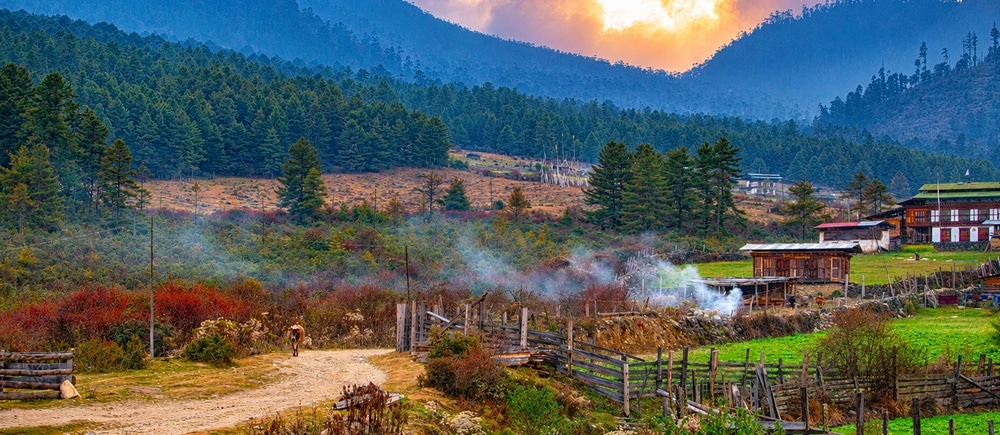
Travel by road for a scenic 5-hour drive into the stunning Dibang Valley of Arunachal Pradesh, arriving in Roing. After a delicious lunch, you’ll have the chance to meet members of the Mishmi tribe, who are famous for their rich folklore and unique customs.
Rise and shine for an early start as you embark on a picturesque drive to Mayodia Pass, perched at 7000 feet. Surrounded by dense forests and misty peaks, the views are nothing short of breath taking. After soaking it all in, head back to Roing and explore the nearby villages to experience the indigenous hill life.
Begin your day with a scenic 4-hour drive to Tezu, a small town known for its tribal heritage. Visit the District Museum and Tribal Emporium, which showcases local textiles, crafts, and cultural artefacts. Continue your journey with a scenic 2-hour drive to Wakro, stopping en route at Parshuram Kund, a revered pilgrimage site where thousands of devotees gather during Makar Sankranti to take a ritual dip in the sacred waters of the Lohit River.
Wakro, nestled in a serene valley at nearly 2,000 metres above sea level, is the homeland of the Mishmi tribe—a Mongoloid, Tibeto-Burmese ethnic group known for their rich traditions and distinct dialects. The three major Mishmi sub-groups are the Idus, Tarons, and Kamans. Deeply rooted in animist beliefs, the Mishmi’s hold that any day is auspicious for a ceremony, provided the necessary elements are present, often marked by animal sacrifices and elaborate rituals. This is a rare opportunity to witness one of the most authentic tribal cultures in Northeast India.
Spend the day exploring the charming Lama and Chakma tribal villages, located near Namdapha National Park, one of India’s most biodiverse areas.
Dedicate this day to visiting Mishmi villages, where you can interact with the locals. If you’re up for it, consider visiting local schools and markets to gain a deeper understanding of their way of life.
Take a drive to Namsai, home to the Khampti tribe, who are descendants of the Tai people from Thailand. Explore Empong Village and check out the region’s largest Buddhist Gompa before making your way back to Dibrugarh.
Take a trip to a bustling tea estate where you can dive into the fascinating world of tea production and tasting. Afterward, visit a traditional weaving centre showcasing the exquisite art of Assamese silk weaving, renowned worldwide for its intricate patterns and exceptional craftsmanship.
Set off on a two-hour drive to Sivasagar, where you can explore the ancient monuments and temples of the Ahom dynasty. Then, continue your journey to Kaziranga National Park, a UNESCO World Heritage Site that’s a must-see.
Kaziranga National Park, a UNESCO World Heritage Site, is home to 75% of the world’s population of the Indian one-horned rhinoceros. This renowned national park is home to a diverse range of wildlife, including Asiatic water buffalo, wild elephants, Royal Bengal tigers, leopards, and four species of deer – swamp deer, hog deer, barking deer, and sambar. With over 400 species of birds, Kaziranga is also a paradise for birdwatching enthusiasts.
Start your day with an early morning elephant safari through the central range, providing an up-close encounter with wildlife in their natural habitat. After breakfast, embark on a jeep safari through the western range, followed by an afternoon safari in the eastern range of the park.
Overnight stay at Kaziranga.
Next, drive to Touphema, a beautifully recreated Angami tribal village nestled in the Naga Hills. Here, you’ll stay in eco-friendly cottages designed in traditional style, giving you a taste of community-based tourism.
Take a one-hour drive to Kohima, the vibrant capital of Nagaland, and kick off your adventure with a walking tour of Garrison Hill. This historic site commemorates the Battle of Kohima, a pivotal World War II conflict where Allied forces halted the Japanese advance into India, marking a significant turning point in the Burma Campaign.
The tour concludes at the Kohima War Cemetery, the final resting place of brave soldiers who fought and fell during the historic Battle of Kohima. Afterward, dive into the local culture by visiting the Nagaland State Museum and the Handloom and Handicraft Emporium, celebrated for its stunning Naga textiles, traditional weaves, and unique handmade souvenirs.
Overnight stay in Kohima.
Today, venture out to nearby Angami tribal villages to immerse yourself in the daily lives, customs, and traditional architecture of one of Nagaland’s most notable indigenous communities. The Angami people are famous for their rich oral traditions, terraced farming, and beautiful wood carvings.
Overnight stay in Kohima.
Get ready for a full day of scenic driving as you head to Nameri National Park, nestled in the Himalayan foothills of Assam. Once you arrive, check in at the delightful Eco Camp, located along the banks of the Bharali River, right on the northern edge of the Brahmaputra River basin. This tranquil and biodiverse national park is a haven for nature lovers and birdwatchers, home to tigers, Indian bison (Gaur), and a wide range of rare and endangered species.
Overnight stay at Eco Camp, Nameri National Park.
Dedicate the entire day to exploring Nameri National Park, one of the most tranquil and least-visited wildlife reserves in Northeast India. Enjoy both morning and evening jeep safaris, which provide fantastic chances to spot tigers, Indian elephants, gaurs, and over 300 bird species, including the endangered white-winged wood duck.
Overnight stay at Eco Camp, Nameri National Park.
After breakfast, drive approximately 5 hours to Guwahati Airport for your afternoon flight to Kolkata or Delhi, concluding your unforgettable journey through the cultural and natural wonders of Northeast India.
FAQs on Tea, Tribes & Rhinos - North East India Tour


Popular Tour Packages
Most booked holidays, hand-picked by our travellers