



No.4, Annai Avenue, Vasanth Nagar EXTN,
Srirangam, Trichy, Tamil Nadu ,620006.
CIN: U31100TN2010PTC078389
DUNS Number: 859496557

![The Secret Behind The Levitating Jyothirlinga [Idol] Of Somnath Temple | Indian Panorama](https://www.indianpanorama.in/blog/public/uploads/news-banner-79.jpg)
A Jyotirlinga is one of the most sacred symbols of Lord Shiva, representing him as an infinite pillar of divine light. Unlike regular Shiva lingas, Jyotirlingas are believed to be self-manifested, appearing where Lord Shiva revealed his supreme power as a blazing column of fire. While there were originally 64 such sites, 12 remain the most auspicious, each representing the endless and formless nature of Lord Shiva.
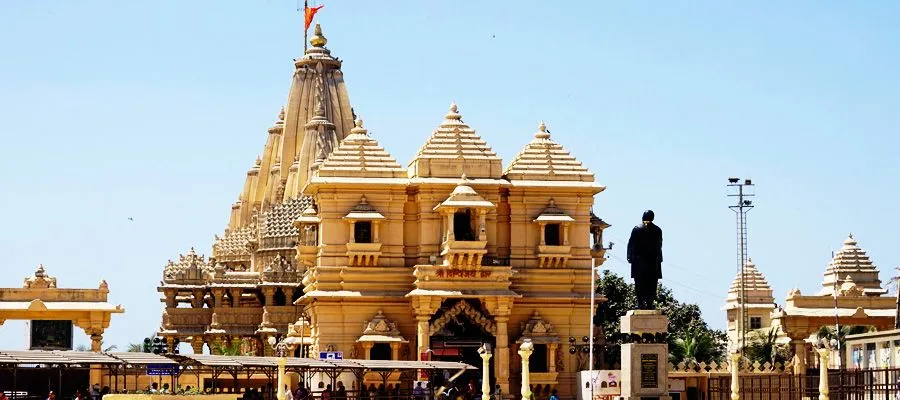
The Somnath Temple in Gujarat stands as the first among the 12 Jyothirlinga shrines in India, not only for its devotion but also for its powerful legends and mysteries. Rooted in the rich history, the Somnath Temple symbolises destruction, rebirth, and eternal faith. For any pilgrim, visiting the Somnath temple Jyotirlinga in India is a journey toward inner light.
Do Jyotirlinga Temples Follow Lord Shiva’s Conch-Shaped Fibonacci Pattern?
The Somnath Temple in Gujarat holds a special place in Hindu belief and Indian history. Revered as the first among the twelve Jyotirlingas, it marks the sacred site where Lord Shiva is believed to have appeared as a radiant pillar of divine light to bless Chandra, the Moon God. While pilgrims flock to this "Shrine Eternal" for its spiritual aura, one of the most intriguing legends involves the original "floating" idol that once graced its sanctum.
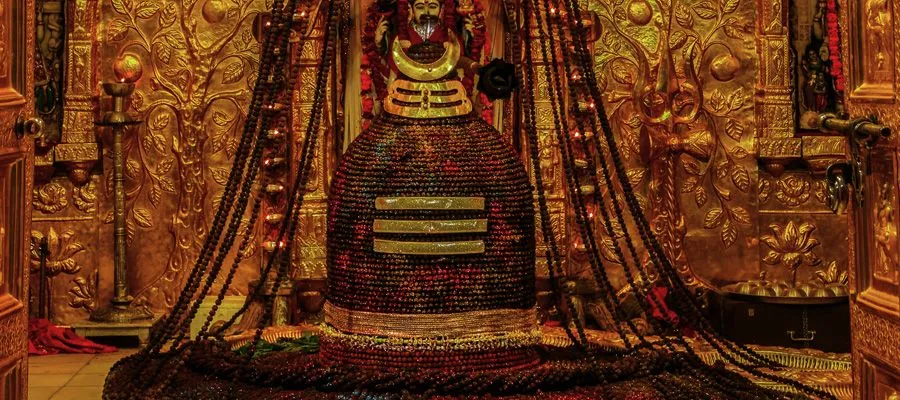
Yes! What truly sets Somnath Temple apart, beyond its spiritual stature and dramatic history of Somnath Temple, is the fascinating legend of its levitating Jyotirlinga. Ancient accounts describe the original idol as an iron Linga suspended in mid-air, without visible support. This wasn't merely a myth but a stunning display of early engineering.
The scientific explanation of the levitating Jyotirlinga points toward advanced magnetic levitation. Ancient architects reportedly embedded massive loadstones (natural magnets) into the temple's ceiling and floor to create a precise magnetic balance. By crafting the idol from iron—or perhaps a magnetic meteorite fragment—they created a precise gravitational equilibrium that allowed the deity to remain suspended in space, reflecting an advanced understanding of science and engineering long before modern times.
Explore the Gujarat Architecture Tour
During Mahmud of Ghazni’s invasion in the 11th century, the temple was destroyed, and the magnetic canopy was dismantled. As the loadstones were removed, the floating idol is said to have gradually descended, revealing the secret behind this architectural wonder. This demonstrates that long before modern physics, Indian master builders were experimenting with complex magnetic fields. Beyond the mechanics, the significance of the Somnath temple Jyotirlinga in India lies in its spiritual symbolism. The suspended idol represented the formless, infinite nature of Shiva, untouchable by the physical world.
Today’s temple was rebuilt in the mid-20th century. While the original magnetic idol was destroyed centuries ago, and the current structure houses a traditional lingam, the legacy of the original "levitating" shrine remains a highlight of the Somnath gateway, which still continues to inspire awe and curiosity.
While pilgrims often combine Somnath Temple with journeys to other sacred sites such as the Must Visit Shaktipeethas in India or even destinations like Top Places to Visit in Ujjain, Somnath Temple remains unmatched in its blend of devotion, legend, and scientific mystery. The tale of the levitating Jyotirlinga reminds us of the powerful symbol of India’s cultural strength, where faith and ancient wisdom created a true wonder of the world.
What is Yoga? | The Technology of Uniting with the Universe and Travel Yoga Poses
India's spiritual landscape is beautifully mapped by the twelve Jyotirlingas, each a sacred site where Lord Shiva is believed to have manifested as a column of divine light. Here's a brief glimpse of these revered shrines:
The Mysteries of Ajanta and Ellora Caves |The Cultural UNESCO Monuments of India
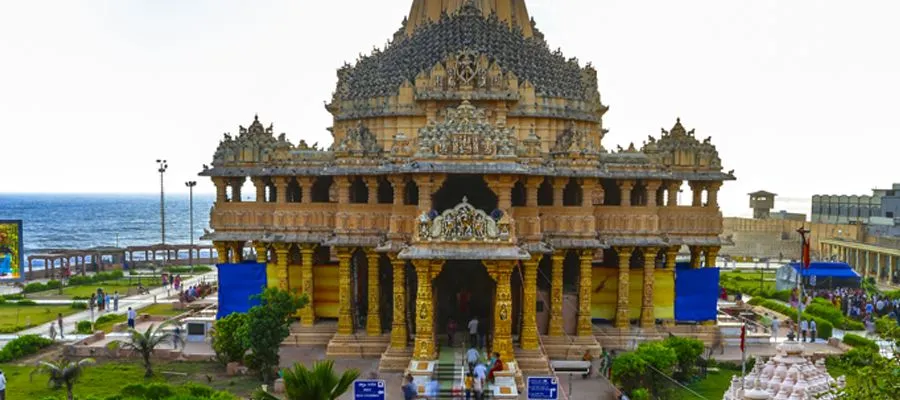
Embarking on a Gujarat temple trail is to walk a path woven with faith, legend, and architectural wonder. This journey takes you from the salt-kissed shores of the Arabian Sea to ancient mountain peaks, offering a deep dive into India’s spiritual heart.
The crown jewel of this trail is undoubtedly the Somnath Temple, an architectural marvel that has stood the test of time. The rich history of Somnath Temple tells stories of faith rising again and again, making it a symbol of strength and belief. Along the trail, travelers explore the sacred Dwarkadhish Temple, the peaceful Nageshwar Jyotirlinga Temple, and many beautifully carved heritage temples. Each stop blends spirituality, stunning architecture, and deep cultural roots. From seaside shrines to ancient sanctuaries, Gujarat offers calm, connection, and timeless devotion — a truly unforgettable temple experience.
Sacred India Tours invites travellers to experience the soul of the country through its ancient temples, holy rivers, peaceful ashrams, and timeless pilgrimage towns. These journeys go beyond sightseeing — they blend spirituality, history, and culture in a well-planned, comfortable way. From quiet moments of prayer to learning about age-old philosophies, every experience feels purposeful and enriching. Sacred India Tours is well-suited for those seeking reflection as well as discovery. It’s a beautiful path to understand traditions, feel inner peace, and witness the living heritage that continues to guide millions today.
Explore Spiritual Gujarat and discover a land where faith, history, and inner peace come together effortlessly. Known as Devbhoomi, Gujarat is home to iconic sacred sites, with the Somnath Temple standing proudly as the first Jyotirlinga and a symbol of timeless devotion and the divine city of Dwarka linked to Lord Krishna. Ancient temples, peaceful ashrams, and holy rivers create the perfect setting for reflection and inner calm. Much like the interesting facts about Kumbh mela & Naga Sadhus, Gujarat’s spiritual traditions reveal India’s deep-rooted devotion, making it a truly soulful destination.
Visiting the Somnath temple Jyotirlinga in India is a bucket-list experience that combines ancient science with deep devotion. The rich history of Somnath Temple, the legends of the levitating Jyotirlinga, and the sacred paths of India’s timeless shrines are an invitation to witness history and faith firsthand. Why just read about it when you can experience it? Let 2026 be the year you turn these wonders into experiences.
Plan your 2026- 2027 temple tour with Indian Panorama and walk through centuries of devotion, culture, and inner peace. Let every step bring you closer to faith, history, and unforgettable spiritual moments.
Keep reading Indian Panorama blogs and follow us on Instagram and Facebook for regular updates and beautiful pictures of India with soulful captions.
Travel with Indian Panorama. The most loved travel family.
Indian Panorama will help you choose destinations and our Travel Guides will guide you to experience a joyous journey throughout the vistas of India.
Mail: enquiries@indianpanorama.in
Phone: +91 431 4226122
For more details and bookings, feel free to visit, www.indianpanorama.in and get a free quote for your tour itineraries.


Share This News