



No.4, Annai Avenue, Vasanth Nagar EXTN,
Srirangam, Trichy, Tamil Nadu ,620006.
CIN: U31100TN2010PTC078389
DUNS Number: 859496557


Shakti Peeth in India carries great significance in Hindu belief, and often viewed as significant symbols of female divinity. According to legend, each site is connected to a piece of Goddess Sati’s body, turning the ground spiritually alive. Situated in various areas such as mountains, forests, villages - each shrine holds its own great stories and local meaning. Devotees feel that visiting these significant shrines welcomes clarity, healing, and personal resilience. Over time, this web of sacred sites has stayed a steady path for those wishing truth and connection.
There are about 51 sacred Shakti Peethas in India, and among them each linked to a unique form of the Goddess together with regional beliefs. beliefs.

Shakti Peethas represent deep female energy - renowned as Shakti - that’s necessary for life to begin. These places reflect vitality, transformation, care, yet also defense, showing worshippers that spiritual strength can be mild or intense. Each Shakti Peethas across India is thought to hold its own calm spiritual pulse, aiding devotees discover find tranquillity, remove inner pain, while growing awareness. More than places of prayer, they remain as hub where belief, thinking, and personal courage seamlessly blend.
The story of the Shakti Peethas origins with a major myth from Hindu tradition. When Sati- a Hindu goddess, the first wife of Lord Shiva, gave up her life, Shiva roamed boundlessly, carrying her remains in anguish. In order to bring balance, back to existence, Vishnu chopped her body using his spinning disc. At each spot where a piece settled, a sacred site appeared. Such tales now shape the known list of Shakti Peeths in India worshipped by followers - uniting legend, land, and spiritual practice.
Everyday prayers at Shakti Peethas follow age-old rites celebrating the Divine Mother in boundless forms. Mornings basically begins (holy bath) abhishek - bathing the idol in milk, water, petals, or sacred mixtures - then move into sacred mantras and verses from Devi texts. Instead of simple, tradition, offerings like vermilion blossoms, smoke from incense, and bright oil lights act as gestures of divine connection, reflecting energy linked to birth, safety, and personal strength. Through these acts, belief finds expression- not just believed but felt together through body and spirit
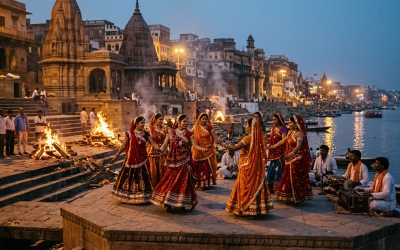
During festivals like Navratri, most Shakti Peeths practice fasting, offer prayers, enjoy music, and yet carry vigils through the night. In eastern regions, Durga Puja features detailed ceremonies along with artistic performances. Meanwhile, Ambubachi Mela at Kamakhya honors the divine feminine's energy inviting sacred figures, seekers, also tourists nationwide.
Pilgrimage customs change based on landscape and area. In the Himalayas, Shakti Peethas value humbleness and strength; along coasts, holy shrines connect to wealth and vital force, instead. Desert sanctuaries stress perseverance through hardship as well as unwavering faith. Traveling to a Shakti Peeth across India counts as a profound personal shift - this path supports emotional recovery, revived trust, besides connectedness to sacred female essence.
Shakti Peetha sites in India reflect diverse Indian design, yet keep a transparent religious role. Though a little differences appear across regions, each temple connects faith with artistry nearby - producing places of worship that seem vibrant through strength and tradition.
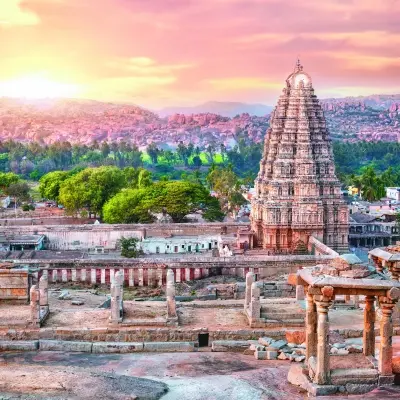
Many Shakti Peethas in South India reflect Dravidian design - highlighting towering gopurams, detailed carved pillars, together with expansive mandapas. Such buildings feature majesty while recommending a meaningful change toward sacred areas.
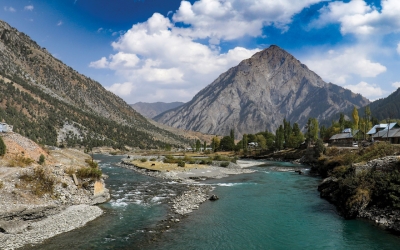
In the Himalayas, temples are in their modest forms- built with stone or within caves to blend into nature. Simplicity in structure reinforces self-control, resilience, while reflecting an intense focus on spiritual practice.
Eastern India showcase terracotta and brick temples, especially in Bengal, with arched rooftops alongside carved scenes depicting myths of deities plus regional tales.
In western and central India, Shakti Peethas highlight intricate stone structures suited to dry regions - showing endurance, through spiritual dedication.
Together, these temples show how local culture, nature, and belief blend - turning Shakti Peethas into sacred sites as well as enduring structures.
Still today, Shakti Peethas remain as places for deep contemplation and personal power. Devotees visit here in quest of inner stability, concentration recovery, or direction when facing difficulties. What keeps each site meaningful is how it connects ancient teachings with present spiritual quests, offering comfort and robustness to those who look. While times change, these landmarks adapt - connecting past insight with present struggles through tranquil presence rather than exaggerated claims
Shakti Peethas aren't just places for pilgrims - they radiate active goddess power. Though born from ancient legends, they thrive due to regular rituals as well as seasonal celebrations; each site across India delivers profound inner change. As a group, these shrines create an enduring sacred web, fueling belief, courage, and reverence throughout time.

Share This News