
Jamwa Ramgarh Wildlife Sanctuary
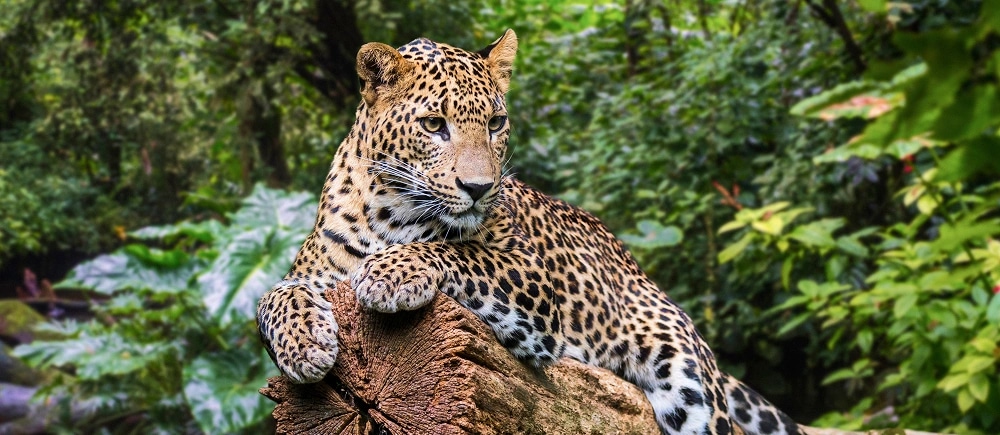
Nestled in the ancient Aravalli ranges near Jaipur, jamwa ramgarh tourism offers a captivating blend of rocky terrain, dense forests, and the iconic, often-dry Ramgarh Lake, a vital water source and birding haven, protecting leopards, nilgai, chital, and jackals amidst ruins of a royal hunting lodge and historic temples. Call us and book your wildlife travel package with us for an elated experience.
About Jamwa Ramgarh Wildlife Sanctuary
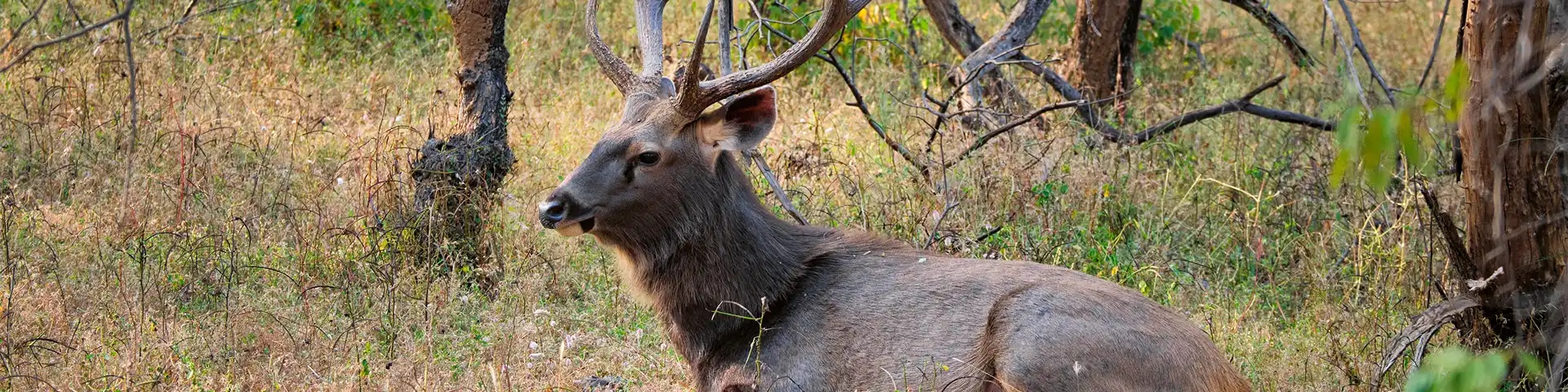
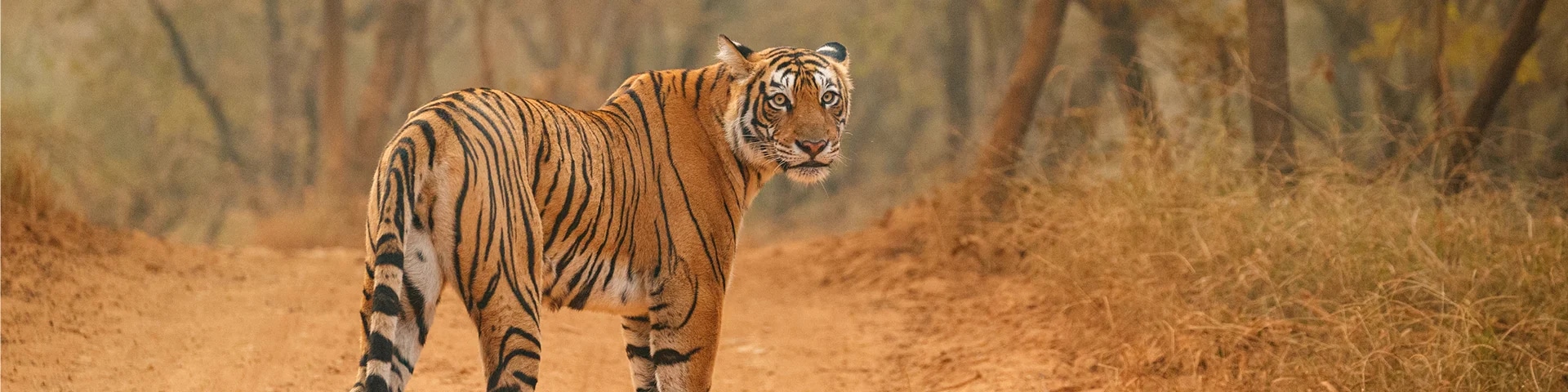
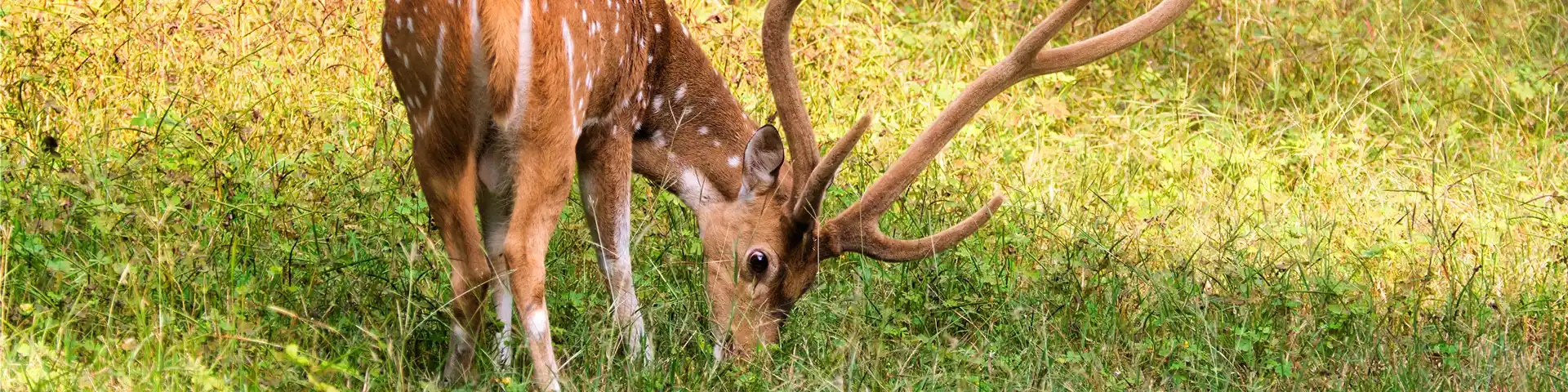
It is a natural reserve and former royal hunting ground of the maharajas of jaipur, known for its rugged aravalli landscapes, diverse wildlife, and cultural heritage sites. This region was converted into a wildlife sanctuary in the year 1982. Its unique appeal lies in the rare blend of royal history, deep cultural roots, and rich biodiversity. Few places offer the chance to explore a former royal hunting ground that is now a protected wildlife haven, home to leopards, hyenas, and over 200 bird species. The presence of significant heritage sites like the jamwa mata temple and the historic ramgarh fort within the natural landscape adds a compelling historical dimension to a wildlife experience. With our travel guide, you can find the best way to explore the sanctuary.
Attractions in Jamwa Ramgarh Wildlife Sanctuary
- Ramgarh Lake: A vast, scenic artificial lake that attracts many bird species and offers boating during monsoon when it's full. This lake used to be a major water supply source to the Jaipur city. It is one of the important places to visit inside the sanctuary. It is a top attraction during the monsoons.
- Jamwa Mata Temple: It is a significant Hindu shrine dedicated to the goddess Bhawani. The temple is nestled in the foothills of the Aravalli range, near the now-seasonal ramgarh lake and the wildlife sanctuary, providing a scenic and tranquil atmosphere. It is one of the places to visit near the sanctuary.
- Jamwa Ramgarh Lodge: Originally a hunting lodge from the early 1900s, it's now a heritage hotel overlooking the lake, offering a glimpse into royal life.
- Old Fort & Museum: There are ruins of a museum and of an old fort inside the sanctuary, offering a blend of nature, history and royal past.
- Jantar Mantar, Jaipur: It is an astronomical observatory site built in the early 18th century and recognized as a UNESCO World Heritage Centre. It is located at about 30 km and is an important place to visit near the sanctuary.
- Polo Grounds: Historically significant and considered one of India's best polo venues. The area around Ramgarh sanctuary used to be a popular spot for polo, especially for the Jaipur royalty.
- Biodiversity: The jamwa ramgarh wildlife sanctuary tourism is a mix of dry deciduous forests, rocky terrain, and the lake, supporting diverse flora and fauna.
- Scenery: Situated in the valleys of the Aravalli hills, the sanctuary offers stunning views of the nature especially around sunrise.
Best Time to Visit Jamwa Ramgarh Wildlife Sanctuary
It is considered best to visit the sanctuary during the winter months, from October to February, for pleasant weather, vibrant birdlife (especially migratory birds), and better wildlife sightings as animals gather near water sources. Here is a sample jamwa ramgarh sanctuary travel guide and the top attractions include:
6:00 AM - 10:00 AM: Reach the sanctuary early in the morning and head straight for a morning safari (Jeep/Camel) in the core area near ramgarh lake for best chances of spotting wildlife like leopards, nilgai, and chital.
10:00 AM - 1:00 PM Visit the ancient jamwa mata temple, dedicated to the presiding deity of the area. Visit the ruins of the old fort and museum offering cultural insights. Explore the historic ramgarh palace which has beautiful architecture and scenic views of the lake area.
Lunch (1:00 PM - 2:00 PM): Have a simple lunch at a local eatery
Afternoon (2:00 PM - 5:00 PM): Explore around ramgarh lake (when full) or embark on the moderately challenging jamwa ramgarh trek which offers scenic views and the chance to observe diverse flora and fauna within the aravalli hills.
Evening (5:00 PM - 7:00 PM): Another short safari or enjoy sunset views over the hills before driving back to Jaipur.
Activities in Jamwa Ramgarh Wildlife Sanctuary
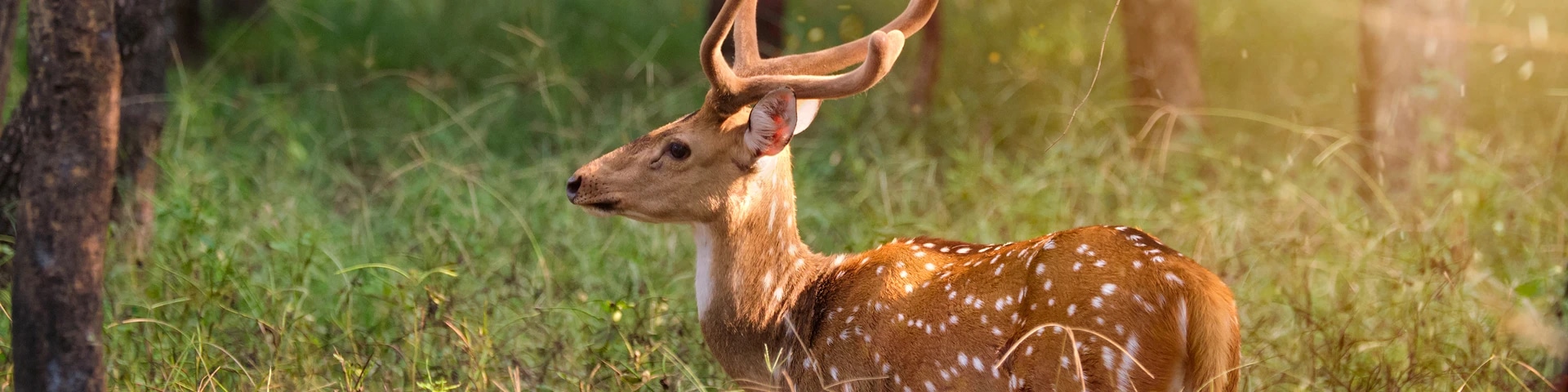
- Jungle Safari/Jeep Safari: Exploring the sanctuary's core area in an open jeep for wildlife viewing (leopards, nilgai, chital, jackals, and mongoose) and bird spotting. It usually takes 2-3 hours and the best time for spotting animals are morning (6:00 am – 10:00 am) and afternoon (3:00 pm – 6:00 pm). It is a top attraction for wildlife enthusiasts, families, photographers.
- Bird Watching & Nature Walks: Quiet walks or sitting near the lake and forest edges to observe diverse birdlife (peacocks, eagles, migratory birds) and flora. The best time would be from sunrise till 9:00 am for bird watching.
- Heritage & Cultural Immersion: The historical ruins around the lake and the ancient jamwa mata temple offer a sneak peek into the culture and heritage of our country. It is a topattraction in the sanctuary for photographers, history lovers, and travel enthusiasts.
- Trekking/Hiking: Trekking through forests and rocky terrain of the sanctuary, the main attraction is spotting birds and animals, plus enjoying the lush, green aravalli landscape, especially during monsoon.
- Stay at Jamwa Ramgarh Lodge (Taj): Experience heritage hospitality in a historic hunting lodge, enjoying the ambiance and proximity to the sanctuary to experience the jamwa ramgarh tourism.
How to Reach Jamwa Ramgarh Wildlife Sanctuary
By Air: Jaipur international airport (JAI) has connectivity with major national international cities. The sanctuary is about 30 km away which can easily reached by car or bus.
By Rail: Arrive at jaipur railway station (JP), the main railhead, and then arrange for road transport to the sanctuary.
By Road (from Jaipur): The most convenient way, offering direct access and flexibility to explore the sanctuary area is by renting a cab from Jaipur. Local buses run from Jaipur towards jamwa ramgarh village, the gateway to the sanctuary.
FAQs — Jamwa Ramgarh Wildlife Sanctuary
Popular Tour Packages
Most booked holidays, hand-picked by our travellers