
Kesarbagh Wildlife Sanctuary
Kesarbagh Wildlife Sanctuary: Travel guide and activities
Discover Rajasthan's Hidden Gem: Kesarbagh Wildlife Sanctuary! Explore dry deciduous forests teeming with sloth bears, hyenas, and diverse birds like vultures and eagles, making it a perfect escape for nature lovers seeking authentic wilderness near Dholpur between October and March for vibrant wildlife encounters. Reach out to us for the best travel package and book Your Wild Adventure Now!
About Kesarbagh Wildlife Sanctuary
Kesarbagh Wildlife Sanctuary, located in the Dholpur district of Rajasthan, is one of the state's oldest protected areas, officially notified in 1955. Spanning approximately 14.76 square kilometres, it serves as a critical ecological corridor in the Dholpur-Chambal landscape. Kesarbagh offers a unique alternative to crowded wildlife parks. Situated along the Chambal River and known for its dry deciduous thorny forest, housing animals like sloth bears, hyenas, jackals, and diverse bird species. Its location near other Ramsagar, Van Vihar Sanctuaries and historical sites like Shergarh Fort makes it a good nature and history combo trip.
Attractions in Kesarbagh Wildlife Sanctuary
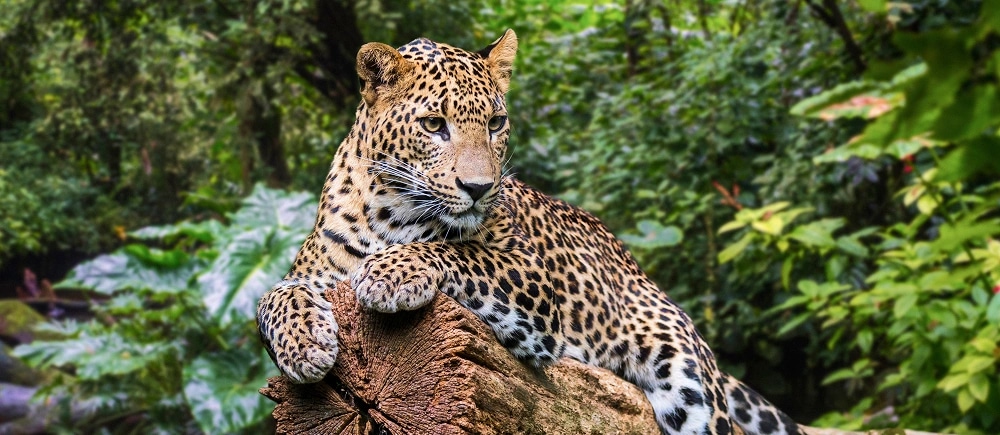
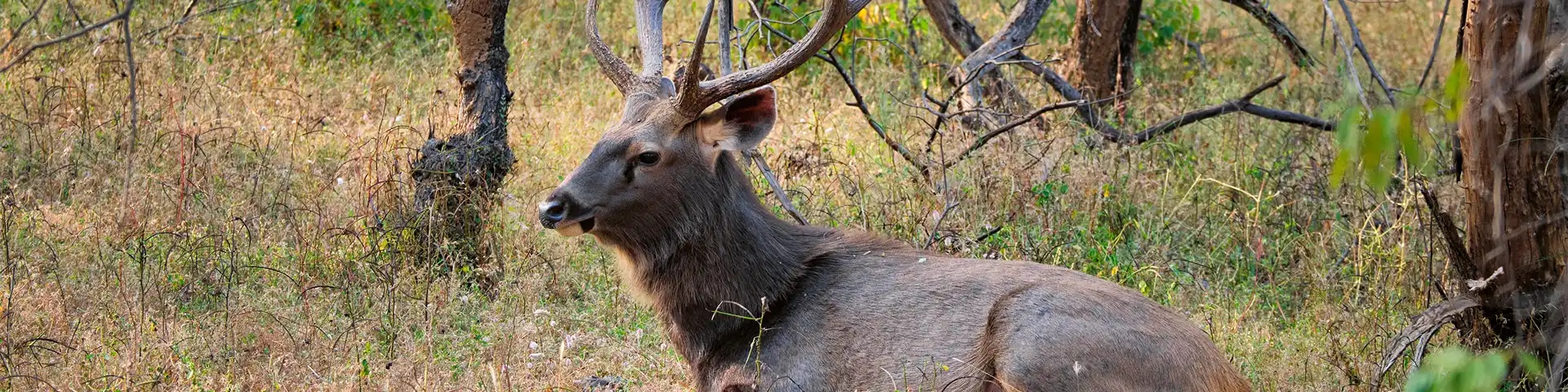
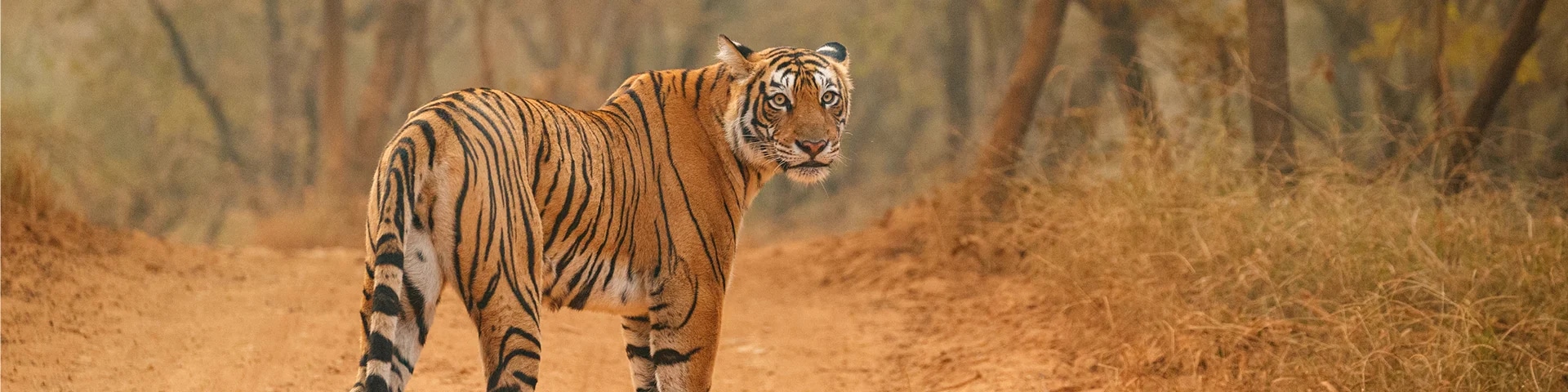
- Diverse Wildlife Species: The sanctuary is a habitat for diverse fauna including sloth bears, striped hyenas, golden jackals, jungle cats, and wild boars. Larger predators such as the elusive leopard and Indian wolf also inhabit the area.
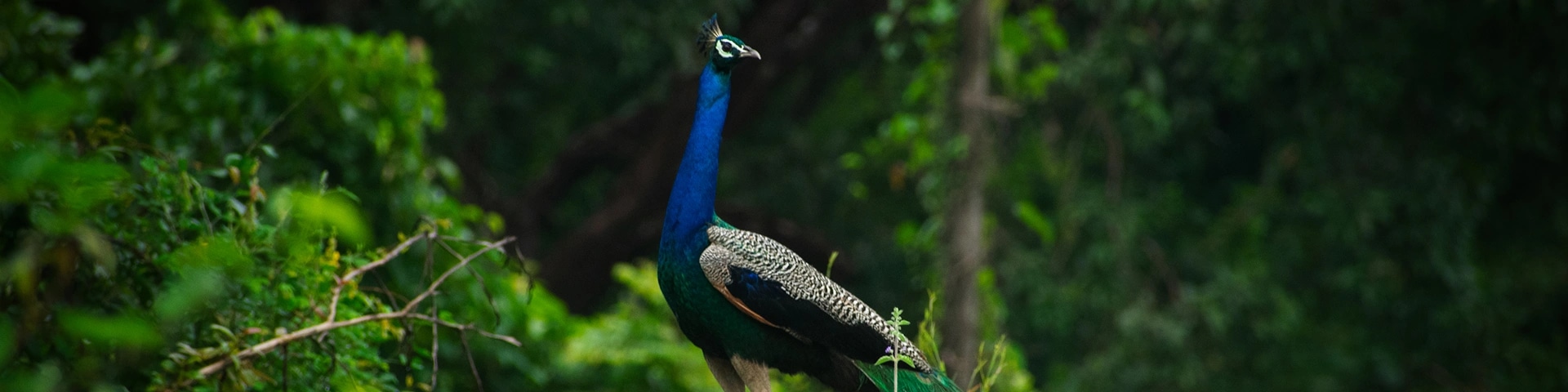
- Rich Avian Population: Kesarbagh is renowned for its birdlife, with over 200 species recorded, including the Indian peafowl, vultures, rollers, kingfishers, and various raptors like eagles. It is a top attraction for bird lovers from all over the world.
- Reptile Habitat: Notable reptiles found within the sanctuary include the Indian rock python, monitor lizards, cobras, and Russell's vipers.
- Scenic Topography and Flora: The landscape is dotted with varied flora such as Dhok (Anogeissus pendula), Khejri (Prosopis cineraria), and the vibrant Palash (Flame of the Forest). Strategically positioned watchtowers and machans allow visitors to observe these ecosystems and wildlife in their natural surroundings.
There are a number of places to visit near kesarbagh wildlife sanctuary
- Kesar Bagh Palace: A beautiful royal property made of red sandstone, originally built as a hunting retreat for the Dholpur rulers. It is now a heritage hotel and a top attraction.
- Chambal River Safari: Located a short drive away, this safari offers sightings of gharials, mugger crocodiles, turtles, and rare Gangetic dolphins.
- Machkund Temple Complex: An ancient pilgrimage site featuring a sacred lake surrounded by intricately carved shrines and pavilions.
- Talab Shahi: A charming lake and 17th-century hunting lodge built by Raja Kesar Singh, which becomes a haven for migratory waterfowl during winter.
- Shergarh Fort: A historical fort offering panoramic views of the surrounding ravines and featuring a blend of Mughal and Rajput architecture.
- Damoh Waterfall: It is a seasonal waterfall near Sarmathura which is simply mesmerising during the monsoon season. It is a beautiful place to visit near the sanctuary.
Best Time to Visit Kesarbagh Wildlife Sanctuary
November to February (winter) is the peak season when it's cool, green, and animals are active, offering great safari and photography conditions. The sanctuary is closed during the monsoon (July-October) due to heavy rains. One of the best ways to explore is through a planned travel guide as follows
- 7:00 AM - 11:00 AM: Sanctuary Exploration - Wildlife Spotting/Nature Walk: Head to the sanctuary early for better chances of seeing animals like deer, wild boar, monkeys, and various birds as the sun rises. Hire a local guide for the best experience.
- 11:00 AM - 1:00 PM: Historical exploration - Shergarh Fort: This fort is a place to visit nearby, known for its beautiful and grand architecture and panoramic views, offering a glimpse into the region's past.
- 1:00 PM - 2:00 PM: Lunch - Enjoy a simple, traditional Rajasthani lunch at a local eatery or resort near the sanctuary.
- 2:00 PM - 4:00 PM: Spiritual & Scenic Wonders - Bhuteshwar Temple: Seek spiritual calm at this ancient, tranquil temple nestled near the sanctuary.
- 4:00 PM - 6:00 PM: River Adventure - Chambal River Safari: A short drive away, this is a must-do for seeing gharials, crocodiles, turtles, and diverse birdlife from the river.
- 6:00 PM onwards: Damoh Waterfall: If visiting during or after the monsoon, see this seasonal waterfall near Sarmathura, a beautiful spot for photos.
Activities in Kesarbagh Wildlife Sanctuary
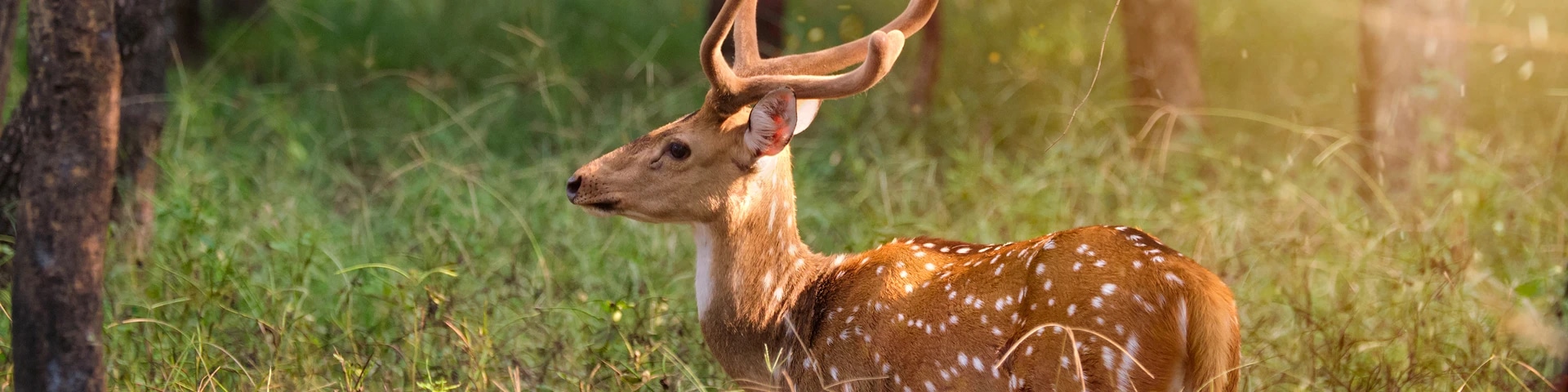
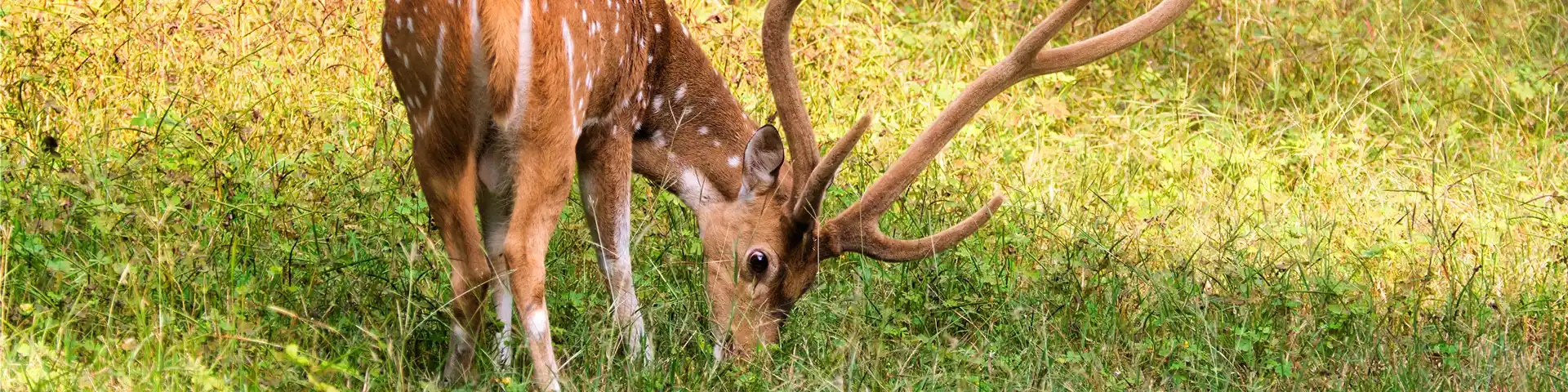
- Wildlife Spotting: Look for Indian wolves, jungle cats, hyenas, sloth bears, spotted deer, gazelles, and various reptiles like pythons and monitor lizards.
- Birdwatching: Excellent for migratory birds, especially in winter, with opportunities to see diverse species.
- Nature Walks & Trails: Explore the dry deciduous forests and unique landscapes with short guided walks.
- Photography: Capture the contrast of thorny forests, vibrant flowers, and river vistas.
- Chambal River Excursions: Take a safari on the Chambal River for gharials, turtles, and aquatic birds.
- Watchtower Visits: Utilize strategically placed watchtowers (machans) for elevated wildlife viewing which helps in the growth of kesarbagh tourism.
How to Reach Kesarbagh Wildlife Sanctuary
- By Air – The nearest airport is the Agra airport which is about 70 km from the sanctuary. Jaipur international airport is about 250 km away but has connectivity with all the major cities of the world. You can hire a private taxi to reach the sanctuary.
- By Train – The nearest Railway Station is the Dholpur Junction which is approx. 40 km away. You can take a cab from there to arrive at your destination.
- By Road – It is well connected by national highways from Agra (50 km), Bharatpur (75 km), Jaipur (250 km) and Delhi(300 km) and can be reached easily by a private cab or public bus.
FAQs — Kesarbagh Wildlife Sanctuary

Popular Tour Packages
Most booked holidays, hand-picked by our travellers