
Jawahar Sagar Wildlife Sanctuary
Jawahar sagar wildlife sanctuary, located in Rajasthan's chittorgarh district near the chambal river, is a protected area known for its dry deciduous forests, rugged ravines, and rich biodiversity, protecting animals like leopards, sambar, sloth bears, and gharials, along with a number of bird species, with activities like nature walks and dam visits. Discover the untamed wilderness of jawahar sagar wildlife sanctuary with our customized travel packages.
About Jawahar Sagar Wildlife Sanctuary
Nestled in the rugged ravines of the chambal valley, the jawahar sagar wildlife sanctuary offers a captivating escape into nature, renowned for its river safari and diverse aquatic life, including the elusive gharial and crocodiles. The sanctuary was established primarily for wildlife conservation, protecting diverse species like leopards and sambar deer within the larger protected area around the chambal river. The sanctuary's lifeblood is the chambal river, with the jawahar sagar dam providing water, tourism (boating), and supporting fish and other aquatic life, linking the dam to nature conservation. It is a key biodiversity spot where land and river ecosystems meet in Rajasthan tourism.
Attractions in Jawahar Sagar Wildlife Sanctuary
- Chambal river safari: A must-do activity offering a unique opportunity to witness the aquatic and avian life of the region from the water. The safari runs along the scenic chambal river, which features rugged mountains and deep gorges. It is the best way to spot gharials (Indian alligators), mugger crocodiles, turtles, and over 175 species of resident and migratory birds, including the Indian vulture.
- Jawahar Sagar Dam: A major dam constructed on the Chambal River that adds to the picturesque charm of the area with its serene waters. It is an important part of the Chambal Valley Project. It has beautiful views and is important for electricity generation and agriculture. It is one of the top attractions in jawahar sagar sanctuary for a peaceful day out.
- Garadia Mahadev Temple: A peaceful shrine dedicated to lord shiva, nestled on a scenic cliff that offers a breathtaking panorama of the chambal river gorge. It's located slightly away from the main tourist spots. With its extraordinary views and striking scenery, the area is a place to visit nearby for both nature enthusiasts and those with a camera.
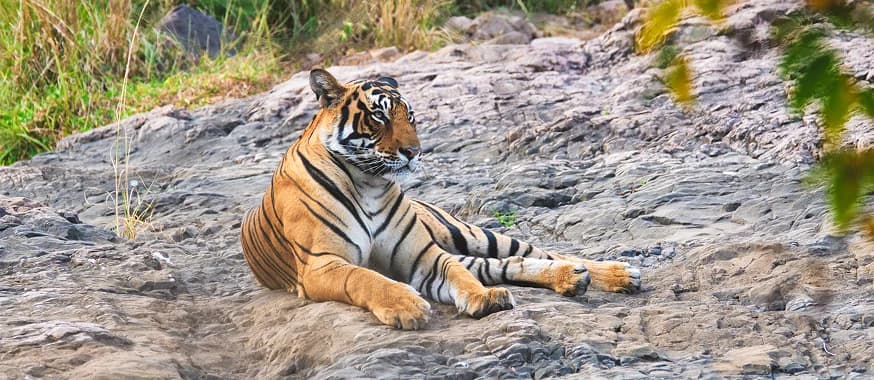
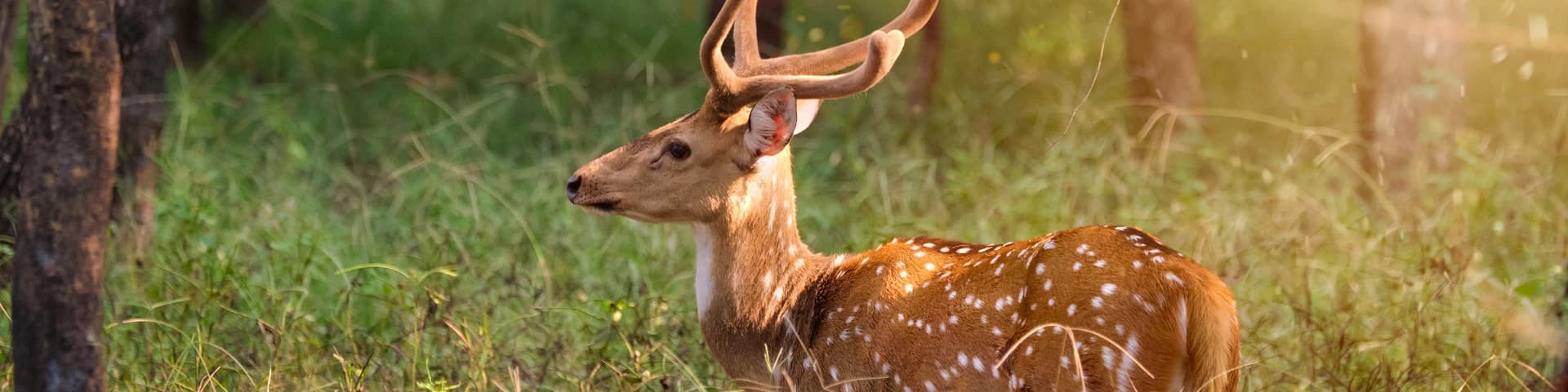
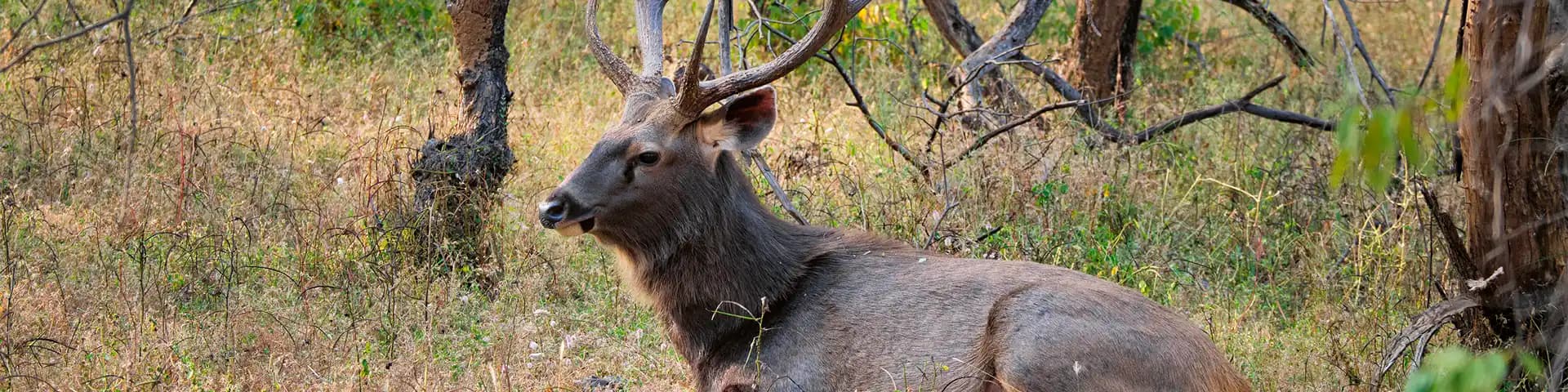
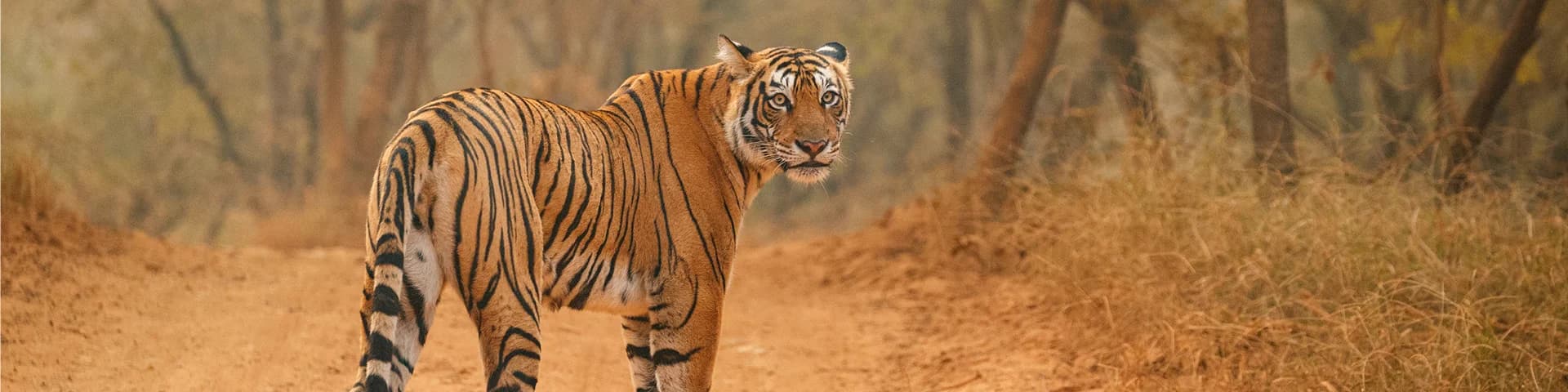
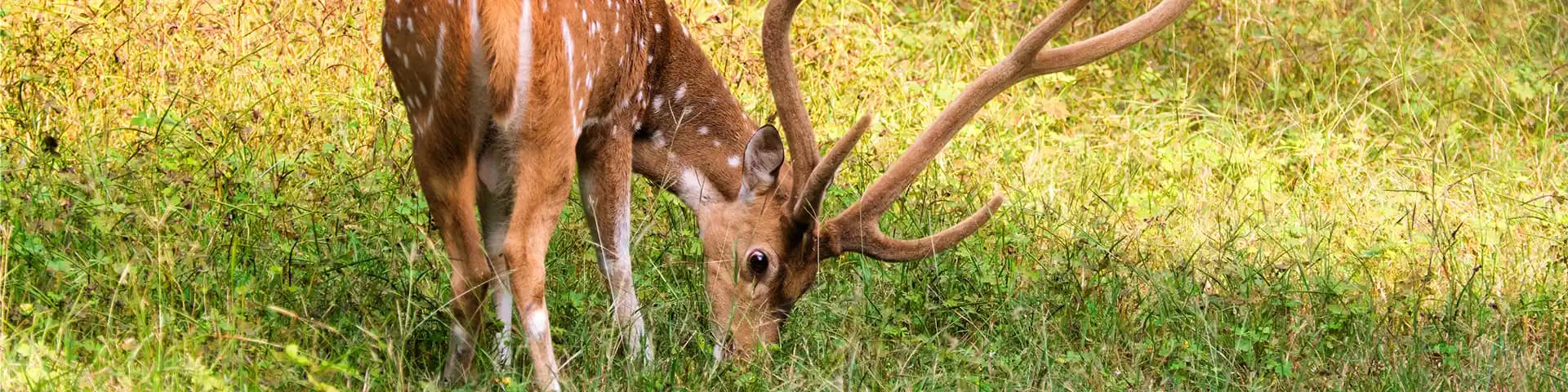
- Mammals: It is the home to many mammals such as spotted leopards, sloth bears, sambar deer, chital (spotted deer), wild boar, and striped hyenas.
- Birds: A variety of bird species, often seen near the river and dam. It is known for its diverse birdlife, making it a great spot for birdwatchers seeking both resident and migratory species near the chambal river area.
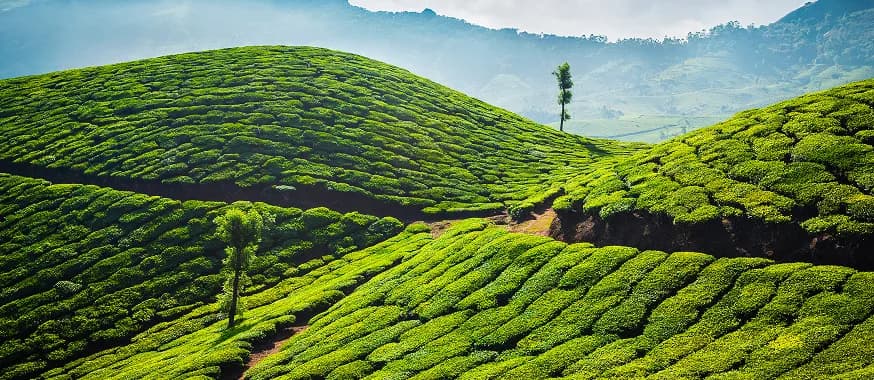
- Flora: The sanctuary is rich in its green flora. The main type of vegetation is dry deciduous forests with trees like dhok, khair, and palash. other significant plants include salai, kardhai, dhawda, banyan, pipal , etc.
Best Time to Visit Jawahar Sagar Wildlife Sanctuary
The best time to visit jawahar sagar wildlife sanctuary is from September to June, with the winter months (Oct-Feb) offering pleasant weather for exploring, while the hotter months (Mar-Jun) are excellent for spotting animals near water sources like the chambal river. The sanctuary is open from 10 AM to 5 PM, with morning/evening safaris ideal for wildlife viewing, especially for crocodiles, turtles, and birds during river safaris. Here is a simple but classic jawahar sagar travel guide that we offer.
Morning (8 AM - 1 PM): chambal river safari - head to the river point (near the sanctuary entrance). enjoy a boat ride focusing on spotting gharial crocodiles, marsh crocodiles, various turtles, and numerous bird species like kingfishers, cormorants, and ducks. This is the prime time for wildlife viewing.
Lunch (1 PM - 2 PM): Lunch -Have lunch at a local dhaba or restaurant near Kota/Rawatbhata.
Afternoon (2 PM - 5 PM): Jawahar Sagar Dam & Gardens - Experience breathtaking vistas of the chambal valleys by visiting the dam, then unwind with a relaxing picnic and capture memorable photos at the nearby chambal gardens.
Evening (6 pm): Sunset Point - The sanctuary's surroundings offer remarkable views of the chambal river at dusk, perfect places to watch the sun descend beyond the hills and water, allowing you to return with memories etched for life.
Activities in Jawahar Sagar Wildlife Sanctuary
- Chambal river safari (boat safari): It is one of the top attractions in jawahar sagarwildlife sanctuary. A popular boat safari along the chambal river that flows through the sanctuary, offering unique views of the landscape and aquatic life. The river has deep gorges and sandy banks ideal for spotting animals.
- Jeep safari (wildlife viewing): Spotting animals such as sambar, chinkara (Indian gazelle), and nilgai in the dry deciduous forest habitat. It is also a "birdwatcher's paradise," home to over 175 species of resident and migratory birds, including the Indian vulture. It also promotes jawahar sagar tourism.
- Jawahar sagar dam exploration: The dam is one of the important places to visit in the sanctuary. It is an engineering marvel and an important place to visitin the sanctuary for enjoying the surrounding scenery and fast-flowing waters. The surrounding area is a popular spot for a peaceful visit with family and friends.
- Nature walks & landscape exploration: Discovering the rugged mountains, gorges, and unique flora around the chambal river.
- Photography: It offers excellent photography opportunities focusing on chambal river wildlife, like crocodiles and diverse birds, plus landscapes around the dam and river valley. Expect to capture macro shots of insects/moths, jungle scenes, and potentially larger mammals, but bring appropriate lenses for distant birds.
How to Reach Jawahar Sagar Wildlife Sanctuary
By Air - Udaipur airport (maharana pratap airport) is the closest major airport, which is about 260 km away. The jaipur international airport which connects major cities in the world, is about 271 km from the sanctuary. You can board a cab for the rest of the journey.
By Train - Kota junction (kota railway station) is the closest major railway hub, located around 40 km from the sanctuary. You can rent a cab to reach the sanctuary.
By Road - The sanctuary is about 37 km upstream from kota city, making it a short drive. A drive from Udaipur via NH58 and SH32 takes roughly 3-4 hours. The sanctuary is about 35 km from rawatbhata and 75 km from bundi.
FAQs — Jawahar Sagar Wildlife Sanctuary

Popular Tour Packages
Most booked holidays, hand-picked by our travellers