
About Jorbeer Conservation Reserve
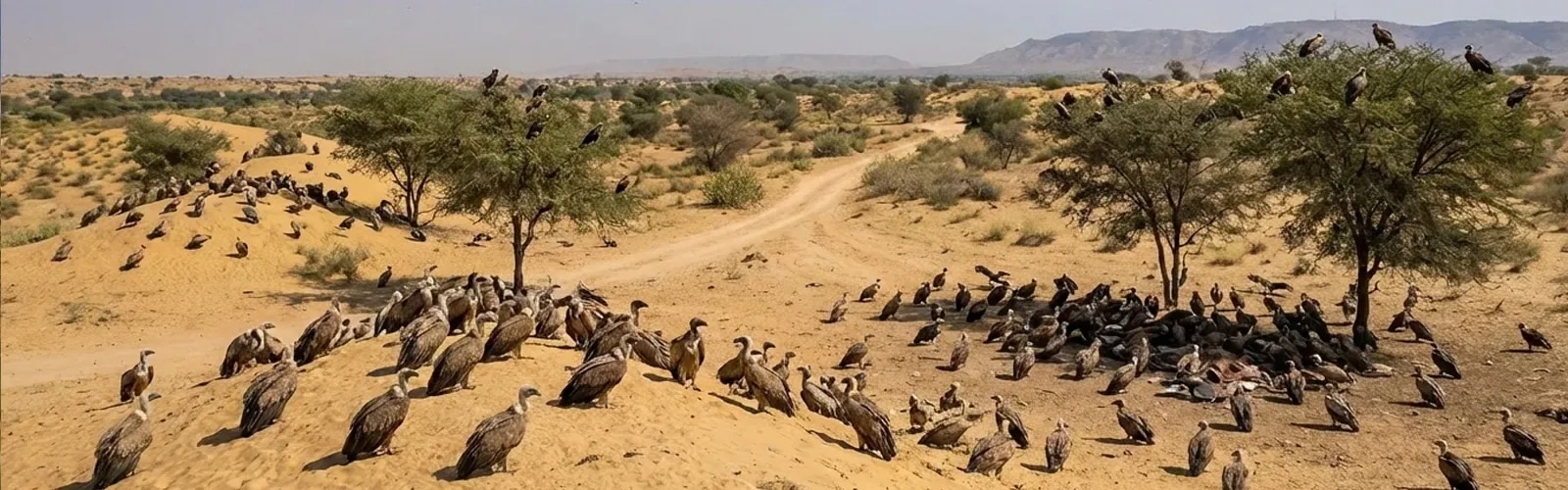
Jorbeer conservation reserve near bikaner, Rajasthan, serves as a globally unique site for vultures and raptors, sustained by an active animal carcass dump, attracting large congregations of scavenging birds to feed on readily available carrion. This unusual environment offers a crucial, reliable food source for endangered species, making it a critical site for global conservation efforts. It is one of India's few dedicated vulture sanctuaries and a major feeding ground for raptors in Asia. It functions as a natural "open-air restaurant" for scavengers, providing a rare opportunity to observe the raw, unfiltered natural food chain in action. The concentration of critically endangered species like the Egyptian vulture, along with various migratory eagles (steppe, imperial, tawny), is unparalleled. Tourists, especially birdwatchers and photographers, should experience Jorbeer tourism for an unparalleled experience.
Attractions in Jorbeer Conservation Reserve
It's a raw, ecological spectacle for wildlife enthusiasts, photographers, and birders seeking intimate views of the food chain, though it can be an unsettling yet fascinating experience due to the carcass dumping ground.
- Raptor spectacle: Witness large congregations of endangered vultures (Egyptian, Griffon), steppe eagles, saker falcons, and other birds of prey.
- Ecological insight: Observe the vital role scavengers play in the ecosystem, a rare, unfiltered view of nature.
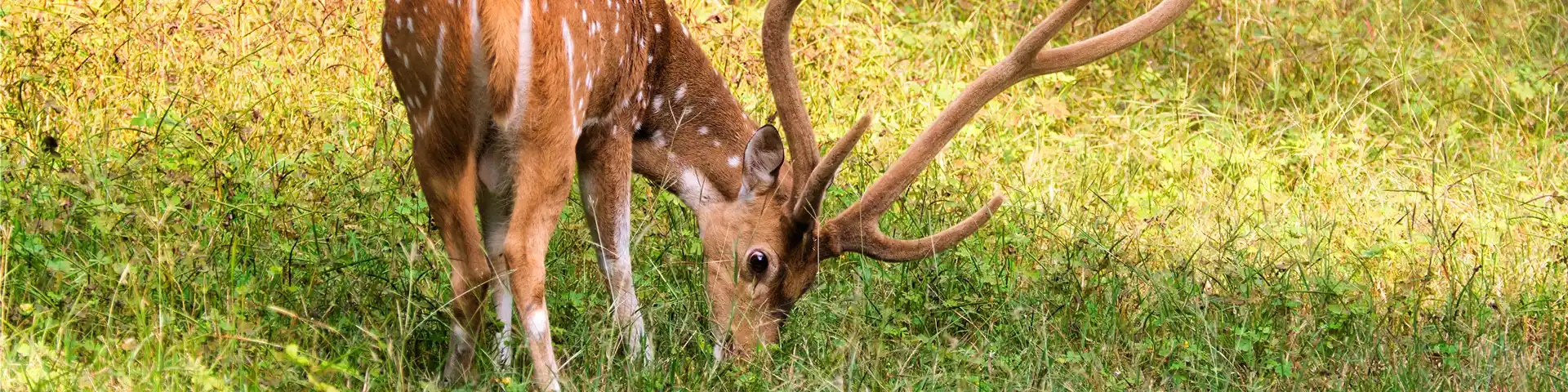
- Mammal sightings: Spot chinkara (Indian gazelle) and desert foxes in the landscape.
- Unique environment: Experience a distinct landscape with bones and animal remains, attracting many scavengers and predators. It is a unique place to visit in jorbeer.
- Photography & birding: It is a top attraction in the jorbeer conservation reserve for all those people who love to watch different kinds of birds and to those who are interested in photography.
Jorbeer conservation reserve is located 15 km from Bikaner. Bikaner is the nearby city that offers a rich blend of history, unique temples, and architectural marvels. The other cultural places to visit near Jorbeer Conservation Reserve are
- Junagarh fort: It houses beautiful palaces, courtyards, and a museum, showcasing a blend of Rajput, Mughal, and Gujarati architectural styles. It is a top attraction near the reserve.
- Karni mata temple (rat temple): This remarkable temple, situated approximately 30 kilometers outside the city in Deshnoke, is famous for being the dwelling place of thousands of rats, which are revered and worshipped by the local devotees.
- Rampuria havelis: A cluster of exquisite red sandstone mansions built by wealthy merchants, known for their intricate carvings and stunning facades that reflect the rich artistic legacy of the region.
- Lalgarh palace: A grand early 20th-century palace built in an Indo-Saracenic style, parts of which are now a heritage hotel, museum, and venue for cultural performances.
- Bhandasar jain temple: A beautiful 15th-century temple dedicated to the 5th Tirthankara, Sumatinath Ji, famous for its gold leaf paintings, mirror work, and unique foundation said to have been laid with ghee and dry coconuts.
- National research centre on camel: A unique institution dedicated to camel research and breeding, where visitors can learn about these "ships of the desert," enjoy a camel ride, and even sample camel milk products. It is a famous place to visit near the reserve.
- Gajner palace & lake: A peaceful palace along the lakeside initially constructed as a royal hunting retreat provides calm, cultural experience and enhances jorbeer tourism.
Best Time to Visit Jorbeer Conservation Reserve
Jorbeer conversation reserve is best experienced from november to february. A half-day trip is usually sufficient. Here is a sample travel guide to explore the reserve and the city.
Early Morning (6:00 AM - 9:00 AM): jorbeer conservation reserve - Begin your day at the reserve to see the maximum number of raptors and migratory birds.
Late Morning (9:30 AM - 11:30 AM): national research centre on camel - Located nearby in the same area, this center is unique and you can observe different camel breeds, visit the on-site museum, and sample unique items like camel milk ice cream or kulfi.
Lunch (11:30 AM - 1:00 PM): Local bikaner cuisine - Bikaner is famous for its savory snacks and local sweets.
Afternoon (1:30 PM - 4:30 PM): Junagarh Fort - Explore the fort, a major attraction in Bikaner known for its stunning architecture, intricate carvings, and historical significance. The fort complex houses several palaces and a museum.
Evening (5:00 PM onwards): lalgarh palace or old city walk - conclude your day with a visit to the beautiful red sandstone lalgarh palace, which blends rajput, mughal, and european architectural styles.
Activities in Jorbeer Conservation Reserve:
- Bird watching & raptor spotting: This is a top attraction offering a chance to see various vulture species (like steppe & tawny eagles) and other raptors in their natural feeding ground.
- Wildlife photography: The open landscape provides great visibility for capturing eagles, vultures, kites, and desert fauna.
- Jeep safaris: Explore the reserve's vast, semi-arid terrain to get closer to the birds and wildlife.
- Conservation education: Understand vulture conservation efforts and the role of the reserve in protecting these crucial scavengers.
- Camel research centre visit: Explore the nearby ICAR-NRCC for camel breeds, milk products (ice cream, kulfi), and insights into desert ecosystems.
- Guided tours: Expert naturalists and travel guides are available to enhance the experience with information on the ecosystem and help in spotting specific species.
How to Reach Jorbeer Conservation Reserve
By Air- The nearest airport is the Bikaner Airport (Nal Airport), which is about 23 km away.
By Train – The nearest station is the bikaner junction, the main railway hub, is only about 8 km from the reserve.
By Road - The easiest way is to hire a cab for a quick 15-25 minute ride to the reserve. Negotiate an auto rickshaw for a 20-30 minute ride.