About Vadodara
Once a part of the Gaekwad dynasty, the city thrived under the guidance of Maharaja Sayajirao Gaekwad III, who turned it into a hub for education, architecture, and culture.
Historical Significance
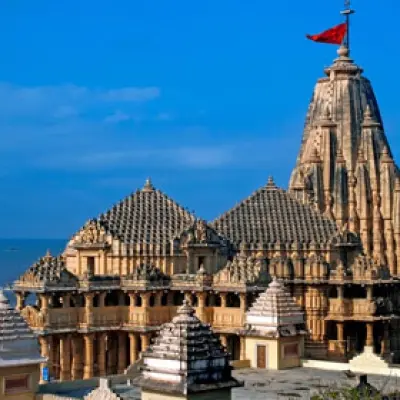
Over the centuries, Vadodara witnessed the impact of various dynasties, including the Guptas, Mughals, and Marathas. Each period contributed stunning buildings, from majestic forts to sacred temples.
Cultural Identity
As Gujarat’s cultural capital, Vadodara’s festivals and art scene capture the state’s lively spirit. Navratri is celebrated here with great excitement. It is a nine-night event filled with Garba, music, and devotion.
Geography and Landscape
Located along the Vishwamitri River and enveloped by the Vindhya and Satpura ranges, the city offers a seamless blend of green parks, historic buildings, and modern urban areas.
Why Visit Vadodara
Travelers visit to Vadodara for its royal palaces, the UNESCO-recognized Champaner-Pavagadh Archaeological Park, and the majestic Statue of Unity, the tallest statue in the world. Vadodara tourism appeals to history and art lovers, and spiritual seekers alike.
Top Tourists Places To Visit in Vadodara
Laxmi Vilas Palace
One of India’s grandest palaces, Laxmi Vilas Palace reflects the Indo-Saracenic architecture, featuring intricate carvings, and sprawling gardens. The palace museum highlights rare paintings, regal artifacts, and armory, offering visitors a glimpse into Vadodara’s legendary past. Its majestic lawns
• Highlights: Royal heritage, architectural beauty, photography opportunities
• Best Time to Visit: October to February
Entry Fee: ₹100 to ₹200
Statue of Unity
Standing at 182 meters, the Statue of Unity revers Sardar Vallabhbhai Patel. It lies against the Vindhya and Satpura ranges. Tourist can explore the exhibition halls, observation deck, and enveloping gardens while relishing scenic views.
• Highlights: Engineering wonder, national pride, scenic views
• Best Time to Visit: October to February
•Entry Fee: ₹120 to ₹350
Sayaji Baug (Kamati Baug)
Sayaji Baug, Vadodara’s largest urban park, showcases botanical gardens, a zoo, a planetarium, and fountains. It is ideal for morning walks, picnics, and family outings. The park blends relaxation with fun activities.
• Highlights: Botanical gardens, zoo, planetarium, recreation
• Best Time to Visit: October to February
• Entry Fee: Free (Zoo: ₹10 to ₹50)
Champaner-Pavagadh Archaeological Park
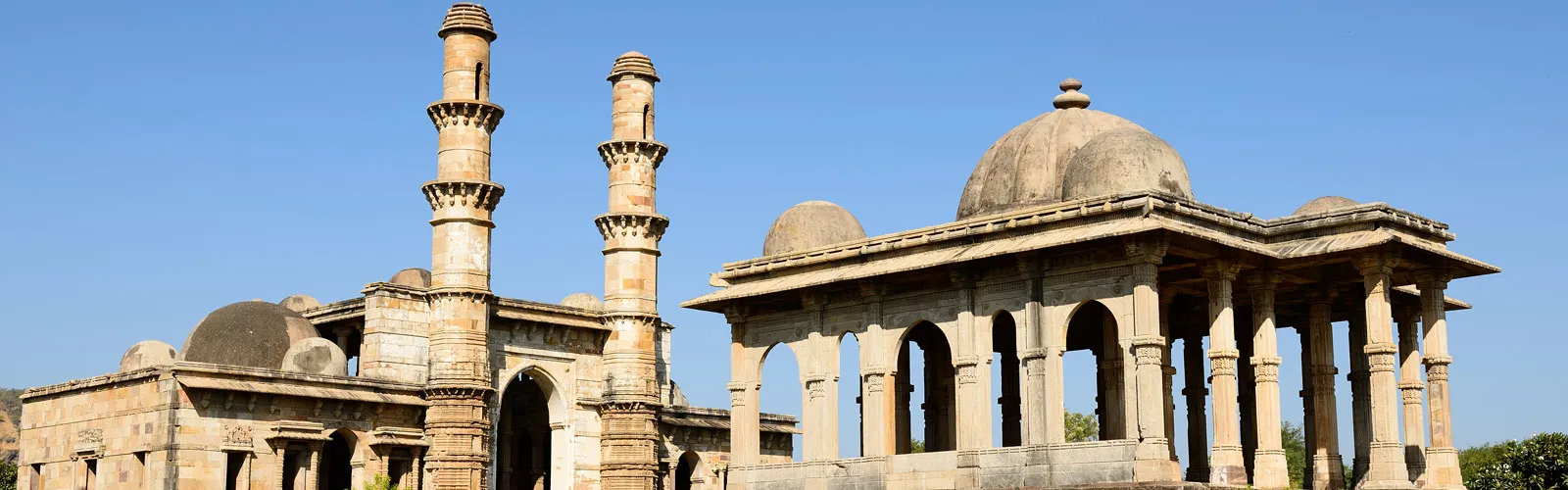
This UNESCO World Heritage Site preserves a pre-Mughal city with historical mosques, stepwells, forts, and temples. Trekking to Pavagadh hills offers historical insights and breathtaking views.
• Highlights: Heritage site, historical architecture, trekking
• Best Time to Visit: October to February
ISKCON Temple Vadodara
This beautiful temple is dedicated to Lord Krishna. Renowned for its spiritual programs, stunning architecture, and peaceful atmosphere. Tourists can attend devotional sessions and relish the landscaped surroundings.
• Highlights: Religious significance, architectural beauty, spiritual experience
• Best Time to Visit: October to February
Top Things To Do In Vadodara
Sightseeing & Heritage Tours
Vadodara is teemed with historical sites regal palaces, and museums, making sightseeing an exhilarating experience. Tourist can explore the grandeur of Laxmi Vilas Palace, admire art at Vadodara Museum and Picture Gallery, and explore monuments like Kirti Mandir and Nyaya Mandir.
• Best Time to Visit: October to February
• Duration: 3 to 5 hours
• Best Suited For: History buffs, culture seekers, photographers
• Cost: Free
Navratri Celebrations
Vadodara turns into a lively cultural hotspot during Navratri, one of India’s most exciting festivals. Tourists can partake in Garba and Dandiya Raas sessions, especially in large open areas, offer a firsthand experience of Gujarati traditions.
• Best Time to Visit: October
• Duration: 2 to 3 hours per event
• Best Suited For: Culture seekers, families, tourists
Temple Visits
Vadodara offers a spiritual solace through beautifully built temples, each highlighting the architectural excellence. Visitors can explore ISKCON Temple, Surya Mandir, BAPS Shri Swaminarayan Mandir, and EME Temples. The peaceful environment offer meditation, photography, and cultural learning opportunities.
• Best Time to Visit: October to February
• Duration: 1 to 2 hours per temple
• Best Suited For: Pilgrims, culture seekers.
Nature & Garden Tours
For nature lovers and families, Vadodara’s gardens, lakes, and waterfalls offer rejuvenating escapes. Sayaji Baug has walking trails, a zoo, boating, and peaceful green spaces. Sursagar Lake is perfect for leisurely walks and photography, while Zarwani Waterfalls offer a scenic setting for picnics and nature walks.
• Best Time to Visit: October to February
• Duration: 2 to 3 hours
• Best Suited For: Families, couples, nature lovers
Best Time To Visit Vadodara
Peak Season (October to February)
This is the best time to explore Vadodara. The weather is gentle with temperatures ranging between 20°C to 30°C. This is the ideal period to enjoy sightseeing, temple visits, and outdoor activities. Gardens are lush, streets are bustling and cultural events like Navratri are lively.
Shoulder Season (September and March)
In the mid-season the weather is pleasant and tourist crowds are fewer. September experiences occasional monsoon showers, refreshing gardens and lakes. March welcomes warmer temperatures and a soothing ambiance.
Monsoon Season (July to August)
Vadodara sees moderate to heavy rainfall during the monsoon season. The city’s gardens, lakes, and waterfalls become lush and beautiful, providing scenic views for nature lovers. However, rain can limit outdoor activities.
Summer Season (April to June)
Summers in Vadodara can be very hot, with temperatures exceeding 40°C. Midday sightseeing can be tough but early mornings and late evenings are more convenient.
Clothing Recommendations for Vadodara
• Peak Season (October – February): Light cotton clothing, comfortable walking shoes. Carry a light sweater or shawl for cool evenings.
• Monsoon Season (July – August): waterproof shoes, raincoats, and umbrellas. Quick-dry fabrics and insect repellent for outdoor visits.
• Summer Season (April – June): breathable cotton or linen outfits, hats or caps, sunglasses, and sunscreen to stay comfortable in the heat.
How To Reach Vadodara?
By Air :
Vadodara Airport is about 7 km from the city center, linking to major Indian cities like Delhi, Mumbai, and Ahmedabad. Taxis, cabs, and buses are available for transfers to hotels and tourist places.
By Rail :
Vadodara Junction is a key railway hub, connecting the city to all major Indian cities. Frequent trains come from Mumbai, Delhi, Ahmedabad, and Jaipur. Local taxis, auto-rickshaws, and cabs offer easy access to the city.
By Road :
Vadodara is connected by NH 48 and state highways to nearby cities. Buses, private taxis, and car rentals make travel convenient. Road trips are perfect for exploring Vadodara and nearby attractions at your own pace.
Things To Know Before Visiting Vadodara
Respect Local Culture
Tourists should dress modestly, especially while visiting temples, mosques, and cultural sites, to show respect for local customs.
Cash & Payments
While urban areas accept digital payments, local markets and small eateries prefer cash. Carrying sufficient assures a smooth experience, especially for trips to Kabirvad or Zarwani Waterfalls.
Mobile Connectivity
Mobile coverage is reliable in main tourist areas. Connectivity may weaken near waterfalls or forests, so download offline maps.
Plan Ahead
During peak seasons, especially Navratri, accommodations and tours book quickly. Booking in advance assures access to the best experiences.