
ahmedabad-tourism

Ahmedabad Tourism

Experience a fascinating blend of ancient history and modern development in Ahmedabad - India's first UNESCO World Heritage City. This vibrant city, which is located alongside the Sabarmati River, offers a distinctive contrast between the old and the new. Ahmedabad's western side features modern urban planning, bustling business districts, and educational institutions, while the eastern side highlights traditional architecture, narrow lanes, and sophisticated gates that showcases the city's rich heritage.

Quick Stats

  • Population: 8 million @ 2011
  • Best time to Visit:October to March
  • Famous For:Sabarmati Ashram, Bandhani textiles, Adalaj Stepwell, Architectural marvels

About Ahmedabad

History

Discovered in 1411 by Sultan Ahmad Shah, Ahmedabad, thrived as the capital of Gujarat and a flourishing hotspot for trade and textiles. Its ancient architecture reflects Mughal, Maratha, and colonial powers

Culture

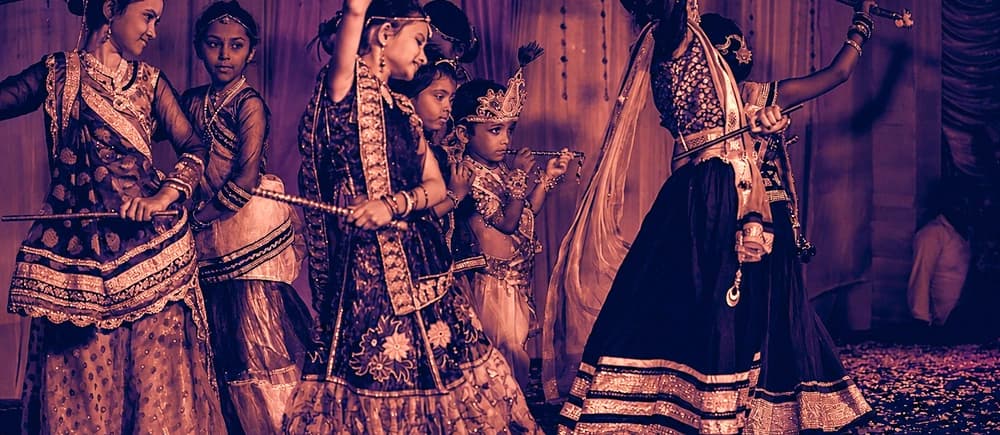
The city pulses with a different blend of traditions, from Navratri Garba dances to lip smacking Gujarati cuisine and handloom artistry. It seamlessly melds urban life with deep-rooted heritage.

Geography

Nestled along the Sabarmati River, Ahmedabad relishes a semi-arid climate with warm summers and pleasant winters. Its prime location makes it a gateway to western India’s cultural and industrial corridors.

Why Visit

Visit Ahmedabad to witness its UNESCO-listed walled city, astounding temples, and the tranquil Sabarmati Ashram. It’s an ideal mix of history, spirituality, and contemporary charm.

Top Tourists Places To Visit in Ahmedabad

Ashram Sabarmati

Sabarmati Ashram, located on the banks of the placid Sabarmati River, is a living testimony of both the life of Mahatma Gandhi and the fight for Indian independence. The serene ambiance of the ashram beckons guests to explore its meticulously maintained residential quarters, prayer halls, and exhibition galleries.

  • Highlights -Gandhi’s legacy, Dandi Salt March
  • Best Time to Visit: October to February

Stepwell Adalaj

A five-story architectural excellence Adalaj Stepwell, was constructed in 1499. This features intricate carvings of Hindu deities, animals, and plants on its pillars. The stepwell is a photographer's paradise as the light and shadow interact to reflect the beautiful craftsmanship.

  • Highlights -Carved architecture, historical legends
  • Best Time to Visit: October to March
  • Entry Fee: ₹20

The Jama Masjid

With its lofty arches, domes, and finely carved stone walls, Jama Masjid, constructed in 1424 by Sultan Ahmed Shah, is a popular example of Indo-Islamic architecture. The mosque's position in the heart of the old city adds beauty.

  • Highlights -Stone carvings, historic significance
  • Best Time to Visit: October to February

Mosque of Sidi Saiyyed

The Sidi Saiyyed Mosque, which was built in 1573, renowned for its exquisite jali art, which includes the popular "Tree of Life" theme. History and architecture lovers should not miss this UNESCO-recognized monument, which represents Ahmedabad's rich cultural and architectural legacy.

  • Highlights -Jali work, historical importance
  • Best Time to Visit: October to February

The Sabarmati Riverbank

A modern urban attraction, the Sabarmati Riverfront highlights tranquil boat excursions, fountains, walking and cycling trails, and planted gardens. It offers a stunning respite from the bustle of the city and is the ideal location for photography, morning runs, or night-time walks.

  • Highlights -Scenic views, recreational activities
  • Best Time to Visit: October to March

Fort Bhadra

Bhadra Fort, a historical complex including temples, gardens, and other heritage buildings, was constructed in 1411. Vibrant markets in the area offer tourists with a genuine experience of Ahmedabad's ancient city life. For history lovers photographers hoping to document medieval buildings, it is the perfect place to visit.

  • Highlights -Historical architecture, old city exploration
  • Best Time to Visit: October to March

Walks of Heritage

The ancient city of Ahmedabad is a UNESCO World Heritage site. An understanding of the city's architecture, history, and local culture can be gained through guided heritage walks through old gates, ancient havelis, and small lanes. Discover how the city has transformed from its medieval origins to its current character.

  • Duration: 2–3 hours
  • Best Suited For: History enthusiasts, photographers
  • Cost: ₹100–₹500

Top Things To Do In Ahmedabad

For those who enjoy vegetarian cuisine, Ahmedabad is a paradise. Taste regional specialties like Dhokla, Fafda, Thepla, and Undhiyu as you meander through traditional restaurants and street food stalls. Tourists can also enjoy sweets like Shrikhand and Ghari.

  • Duration: 2–3 hours
  • Best Suited For: Food lovers, families
  • Cost: ₹200–₹500 per person

Purchasing Handicrafts & Textiles

Vibrant Bandhani sarees, embroidered garment materials, and traditional handicrafts are the highlights of this city’s markets, such as Manek Chowk and Law Garden. Tourists can purchase for trinkets, watch live tie-dye demonstrations, and get a personal look at Gujarat's rich textile history.

  • Duration: 2–4 hours
  • Best Suited For: Shoppers, cultural enthusiasts

Sabarmati Riverfront Boating

Enjoy the tranquil waterways and city skyline while taking a leisurely boat ride along the riverbank. Rides around sunset are very picturesque and provide great photo ops.

  • Duration: 1–2 hours
  • Best Suited For: Couples, families
  • Cost: ₹100–₹300

Visits to Museum

Ahmedabad is home to a numerous noteworthy museums: The Calico Museum of Textiles honors India's textile legacy; the Kite Museum commemorates Ahmedabad's kite-flying customs; and the Archaeological Museum Lothal exhibits Harappan relics. Students and history lovers will find these museums most suitable.

  • Duration: 2 hours
  • Best Suited For: students, history lovers

Nal Sarovar Bird Sanctuary birdwatching

tourists get to see exotic migrating birds on an early morning boat ride. It's ideal for wildlife observation and nature photography because of the scenic surroundings.

  • Duration: Half-day
  • Best Suited For: Nature lovers, photographers
  • Cost: ₹150–₹300

Best Time To Visit Ahmedabad

The climate in Ahmedabad is hot and semi-arid:
• October through March is the peak season, with pleasant temperatures ranging between (15°C to 30°C) perfect for outdoor activities, sightseeing.
• Shoulder Season (September & April): mild temperatures and fewer crowds. September's brings moderate showers enhancing city's verdant surroundings.
• Off Season (May–June): Exploration is suggested in the early morning or evening due to the extreme heat, which can reach temperatures of over 40°C.
• July through September is the monsoon season. Moderate to heavy rainfall revitalizes the city and but also restricting outdoor activities.

Clothing Recommendations:

  • Peak Season: Light cottons, comfortable walking shoes, light jacket
  • Summer: Sunscreen, hat, scarf, sunglasses, stay hydrated
  • Monsoon: Umbrella, raincoat, waterproof shoes

How To Reach Visakhapatnam?

By Air :

Sardar Vallabhbhai Patel International Airport is the nearest located11 km. It is well-connected to major domestic and international destinations.

By Rail :

Ahmedabad Junction is the nearest connecting the city to all major Indian cities via express, Rajdhani, and Shatabdi trains. Local transport options are available for onward travel.

By Road :

Ahmedabad is well-linked through National Highways like NH 48, NH 47, and NH 59, along with state roads, to nearby towns and cities. Buses, cabs, and self-driving options make the tour comfortable for sightseeing and exploring.

Things To Know Before Visiting Ahmedabad

  • Respect Local Culture: Dress modestly religious sites like temples, mosques
  • Cash & Digital Payments: Carry sufficient cash to purchase from small markets or street vendor
  • Connectivity: Mobile coverage is strong in city centers but may be weak in old city lanes or outskirts. Download offline maps.
  • Safety: Generally safe, including for solo and female travelers. Evade isolated areas at dark
  • Travel Planning: Pre-book hotels, guided tours, and activities during peak season.

FAQs:

The best time to visit Ahmedabad is during the peak season from October to March, when temperatures is gentle ranging between 15°C–30°, ideal for sightseeing, cultural tours, and outdoor exploration. Festivals like Navratri and Uttarayan enrich the experience with dynamic local celebrations. Monsoon months (July–September) welcomes moderate rainfall and lush scenery but may restrict outdoor activities, while summer (April–June) is extremely hot, entailing precautions for daytime exploration.

A 3–4 day itinerary is enough to cover Ahmedabad’s popular attractions and enjoy its unique cultural and historical offerings. This allows time to explore Sabarmati Ashram, Adalaj Stepwell, Jama Masjid, Sidi Saiyyed Mosque, Bhadra Fort, and other popular attraction sites. It also offers opportunities to experience heritage walks, food trails, shopping for textiles, and an unwinding visit to the Sabarmati Riverfront, assuring a well-rounded Ahmedabad tourismexperience.

Yes, Ahmedabad is generally regarded safe for tourists. Popular attractions, markets, and heritage areas are and secure. Safety precautions, like protecting personal belongings, evading isolated areas at night, and adhering to local guidelines, are recommended. With friendly residents and a strong tourism infrastructure, tourists can comfortably relish sightseeing, cultural tours, and Ahmedabad tours and packages. Solo travelers and families typically feel comfortable exploring the city.

Absolutely. Ahmedabad is a friendly city for solo and female travelers. Most tourist attractions, heritage sites, and markets are safe during the day. It is recommended to dress modestly at religious sites, book registered taxis or cab services, and evade isolate areas at night. Partaking in group tours or guided heritage walks can enhance safety while facilitating a deeper understanding of the city’s rich history, culture, and vibrant Ahmedabad tourism offerings.

Packing for Ahmedabad is based on the season. For the peak season (October–March) pack light cotton clothing and a sweater for cool evenings are ideal. Summer favours sunscreen, sunglasses, a hat, and plenty of water. During the monsoon, carry an umbrella, raincoat, and waterproof shoes. Convenient walking shoes are suggested year-round for exploring heritage sites, markets, and riverfront sites. Also carry a camera for Ahmedabad tours and travels memories.

For first-time visitors, C.G. Road, Ashram Road, and Ellisbridge are best central areas with quick access to attractions, restaurants, and shopping. The old city near Manek Chowk offers a heritage-focused stay nearby markets, temples, and historic landmarks. For luxury or boutique accommodations, areas near the Sabarmati Riverfront or satellite neighborhoods like Vastrapur are recommended. These locations assure convenience for sightseeing, shopping, and experiencing Ahmedabad tourism.

Public transport, including buses, auto-rickshaws, and cab apps, is enough for visiting nearby attractions. However, for greater comfort and flexibility, renting a car or hiring a taxi is suggested especially for day trips to Adalaj Stepwell, Nal Sarovar, or Akshardham Mandir. Self-driving enables visitors to explore at their own pace, plan early morning or evening sightseeing, and fully enjoy Ahmedabad tours and packages without time limitations.

Sardar Vallabhbhai Patel International Airport is located approximately 11 km from Ahmedabad city center, making it highly accessible. Travel time varies from 25 to 40 minutes depending on traffic. Taxis, auto-rickshaws, and cab services operate 24/7, providing convenient connections to hotels, heritage sites, and shopping areas. Visitors can reach popular attractions such as the Sabarmati Riverfront or Sabarmati Ashram quickly, facilitating smooth Ahmedabad tours and travels.

Ahmedabad offers accommodations that caters to all budgets. Luxury travelers can enjoy premium hotels and riverside resorts with modern amenities. Boutique hotels, heritage guesthouses, and homestays provide immersive cultural experiences near historic neighborhoods. Budget-friendly lodges and hostels cater to backpackers. Many accommodations are close to Sabarmati Ashram, Manek Chowk, or Law Garden, making sightseeing convenient. Whether seeking comfort or cultural immersion, Ahmedabad’s options suit all types of travelers exploring Ahmedabad tourism.

During peak season (October–March), it is suggested to book hotels 1–2 months in advance to secure popular options, especially near heritage landmarks and city-center areas. During festivals like Navratri and Uttarayan, advance bookings is highly recommended due to great demand. In off-season months or monsoon, hotels may be available closer to your travel date. Booking in advance ensures convenience, better rates, and smoother Ahmedabad tours and packages planning.

Ahmedabad is popular for its vegetarian Gujarati cuisine, offering different flavors ranging from sweet, tangy, and spicy. Signature dishes include Dhokla, Fafda, Thepla, Undhiyu, and regional sweets like Ghari and Shrikhand. Street food spots in the old city and traditional eateries offer authentic culinary experiences. Sampling local dishes is necessary to completely experience Ahmedabad tourism, offering both taste and cultural insight into Gujarat’s rich food traditions.

Yes, ATMs and digital payment facilities are widely available in main areas in the cities, hotels, and popular markets. Urban areas accept credit/debit cards and mobile wallets, while street vendors and local markets may require only cash. It is recommended to carry sufficient cash for smaller purchases or heritage tours. Being proactive assures a smooth Ahmedabad tours and travels experience without any hassle especially when exploring offbeat locations.