
Palakkad Tourism
About Palakkad
Palakkad has a special place in Kerala's tourism scene. Palakkad is unlike the coastal towns as it is a green valley nestled between the Palakkad Gap – a natural cleft in the Western Ghats that has existed as the connective link between Kerala and Tamil Nadu for centuries.
The name Palakkad is thought to derive from the terms 'Pala,' referring to a tree once prevalent in the region, and 'Kadu,' meaning forest. Historically, Palakkad served as a strategic battleground for various rulers, including Tipu Sultan and the British, as indicated by its forts and monuments.
Agriculture has defined Palakkad's identity. Sweeping expanses of rice fields, coconut palms, and spice gardens cover the terrain. It's also a cultural hub of Carnatic music, Kathakali, and Mohiniyattam, making it as culturally rich as it is naturally beautiful.
Famed as Kerala’s granary, Palakkad is a destination rich in nature and heritage. With Palakkad tours and travels, you can discover scenic dams, ancient temples, and vibrant rural life. Tailored Palakkad tours and packages with handy Palakkad travel tips ensure a memorable journey.
Quick Facts & Information About Palakkad
Location:
Central Kerala, along the Tamil Nadu border
Population :
~ Approx. 2,809,934
Renowned for:
Palakkad Fort, paddy fields, dams, wildlife sanctuaries, classical music and dance
Best Time to Visit:
September to March
Nickname:
The Rice Bowl of Kerala
Top Tourist Places to Visit in Palakkad
Palakkad is to travel into a world where history and nature converge. From centuries-old forts to cool waterfalls, each place has something to share.
Palakkad Fort
Constructed in 1766 by Hyder Ali, Palakkad Fort is one of the most preserved forts in Kerala. Its giant granite walls, expansive lawns, and outer moat take you back to times of battles and dynasties. The fort now operates as a picnic area and cultural centre. Famous for: History, photography Best Time to Visit: Morning or evening Entry Fee: Free
Malampuzha Dam and Gardens
Just 10 km from Palakkad town is Malampuzha Dam, an engineering marvel and scenic beauty. The gardens, ropeway trips, and Snake Park make it a one-stop destination for the family. Famous for: Boating, gardens, ropeway Best Time to Visit: September–March Entry Fee: Rs 30– Rs 50 (gardens), ropeway extra
Silent Valley National Park
A UNESCO-recognized biodiversity hotspot, Silent Valley is renowned for its pristine rainforests and rare wildlife. Home to species like the lion-tailed macaque and Malabar civet, it is a paradise for nature lovers. Trekking trails and crystal-clear streams make it a perfect eco-tourism getaway in Kerala. Famous for: Wildlife, trekking Best Time to Visit: October–March Entry Fee: Rs 200– Rs 500 (*with guided safari)
Dhoni Waterfalls
A small hike from Palakkad town takes you to Dhoni Waterfalls, where water flows with a roar in between dense green forests. It's an ideal place for trekking enthusiasts and adventurers. Famous for: Trekking, waterfalls Best Time to Visit: Monsoon and post-monsoon Entry Fee: Rs 100 (approx., trek fee)
Kalpathy Heritage Village and Temple
Popularly called the "Varanasi of the South," Kalpathy is well-known for its ancient temple and annual Ratholsavam (chariot festival). The agraharam (Brahmin Street) illustrates Tamil-Brahmin culture and traditional architecture. Famous for: Heritage, festivals Best Time to Visit: November (Ratholsavam Festival) Entry Fee: Free
Parambikulam Tiger Reserve
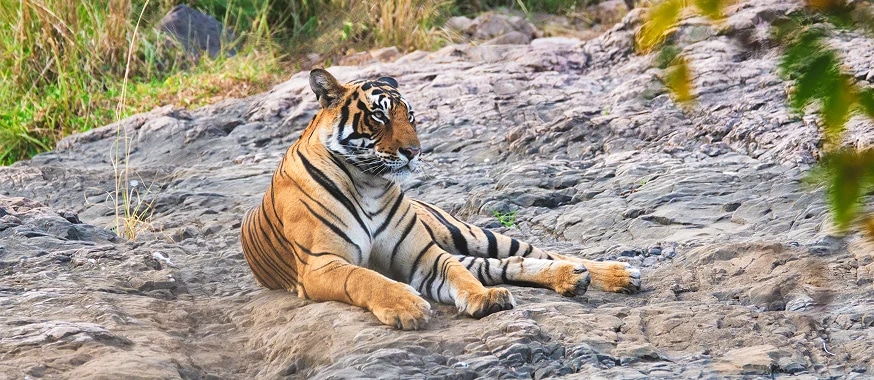
Adjoining Tamil Nadu, this sanctuary is a tiger reserve rich with elephants, gaurs, and more than 250 species of birds. Jungle safaris, bamboo rafting, and treehouse accommodation contribute to the thrill. Famous for: Wildlife safaris, eco-tourism Best Time to Visit: October–March Entry Fee: Safari charges apply
Nelliyampathy Hills
Only 60 km away from Palakkad, Nelliyampathy is a hill station consisting of tea gardens, orange plantations, and breathtaking vistas. It is commonly referred to as the "Ooty of Kerala" and is ideal for an overnight visit or day trip. Famous for: Trekking, viewpoints, plantations Best Time to Visit: September–March Entry Fee: Free (plantation tours extra)
Meenvallam Waterfalls
Meenvallam Waterfalls, near Thuppanad in Palakkad, is a stunning 5-step cascade originating from the Kalladikodan Hills. Surrounded by dense forests, it’s an ideal spot for nature lovers, photography, and tranquil picnics. Famous for: Waterfalls, trekking Best Time to Visit: Monsoon and winter Entry Fee: Rs 20– Rs 30
Top Things to Do in Palakkad
Trekking and Nature Trails
Boating at Malampuzha and Parambikulam
Village Tourism
Festivals and Music
Plantation Walks
Palakkad Tourist Attractions
View All
How To Reach Palakkad?
Palakkad is well-connected by air, rail, and road, making it accessible for all types of travelers. The nearest airport is Coimbatore International Airport, 55 km away, about a 1.5-hour drive. Cochin International Airport is 110 km away for travelers coming from southern Kerala.
Palakkad Junction links the city to major South Indian cities like Chennai, Coimbatore, and Trivandrum, offering both express and passenger services.
The district is well-connected via NH544 to Coimbatore, Cochin, and Thrissur. Frequent local buses and taxis are available. Travel Tip: Taxis or private cabs are recommended for exploring remote attractions comfortably.
Important Travel Tips For Palakkad
Best Time To Visit Palakkad
Palakkad welcomes visitors all year, but the ideal months for sightseeing and outdoor activities are from September to March.
During this peak season, the weather is comfortable (20–30°C), making it great for trekking, boating, and exploring villages, though it can get crowded.
From April to June, the shoulder season brings higher temperatures (30–38°C) and fewer tourists, and hill stations like Nelliyampathy are especially enjoyable then.
July and August bring heavy monsoon rains, which make the waterfalls and greenery even more beautiful. However, trekking is limited during these months.
Festival Highlights: Onam (Aug–Sep), Kalpathy Ratholsavam (Nov), and Navaratri add cultural vibrancy.
*Travel Tip: Pack cotton clothes for summer, light sweaters in winter, and rain gear during the monsoon.
Things To Know Before Visiting Palakkad
- ATMs are available in Palakkad town. Keep enough cash for rural destinations and small shops.
- Cell phone network coverage is generally good, but can be erratic near forests, hills, and wildlife sanctuaries.
- Local cuisine features traditional Kerala dishes like rice meals, puttu, fish curry, avial, and banana chips.
- Eco-tourism regulations are strictly adhered to in national parks and sanctuaries – avoid littering and do not trespass on wildlife. Meaning for this line
- Reserve accommodations well in advance, peak season, weekends, and festivals, for more suitable options.
- Take essentials such as sunscreen, rain gear, insect repellent, and walking shoes.
FAQs:
Popular Tour Packages
Most booked holidays, hand-picked by our travellers