
Aaraku Valley Tourism
Araku Valley, often called the “Ooty of Andhra Pradesh,” is one of the most picturesque hill stations in the state. Nestled amidst lush forests, rolling hills, and coffee plantations, this serene destination is a haven for nature lovers and adventure enthusiasts alike. Known for its refreshing climate, breathtaking landscapes, and rich tribal culture, Araku Valley tourism draws thousands of travelers every year. Whether you’re seeking tranquility, adventure, or a cultural experience, Araku Valley tours and travels offer an unforgettable escape into nature’s lap.
About Araku Valley
Araku Valley is a scenic hill station in the Eastern Ghats, with an elevation of about 3,000 feet. Its verdant valleys, cascading waterfalls, and tribal heritage make it a unique blend of nature, culture, and adventure. Often compared to Ooty for its cool climate and lush surroundings, Araku Valley is an ideal retreat from the bustle of city life. Many travelers opt for Araku Valley tours and packages to explore its natural and cultural gems.
Historical Significance
Though primarily celebrated for its natural beauty, Araku Valley has a rich cultural and historical background. The region has been home to tribal communities for centuries, whose traditions, festivals, and lifestyle continue to enrich the local culture. The valley’s history is intertwined with coffee cultivation introduced during the early 20th century, which now forms a vital part of its economy and Araku Valley tourism appeal.
Cultural Identity
Araku Valley thrives on its tribal heritage, with communities like Bagata, Valmiki, and Kondadora preserving traditional crafts, music, and dances. Festivals and cultural events provide a glimpse into their rich folklore. Visitors often engage with local artisans, sample traditional cuisine, and witness tribal performances, making Araku Valley tours and travels a culturally immersive experience.
Geographical Features
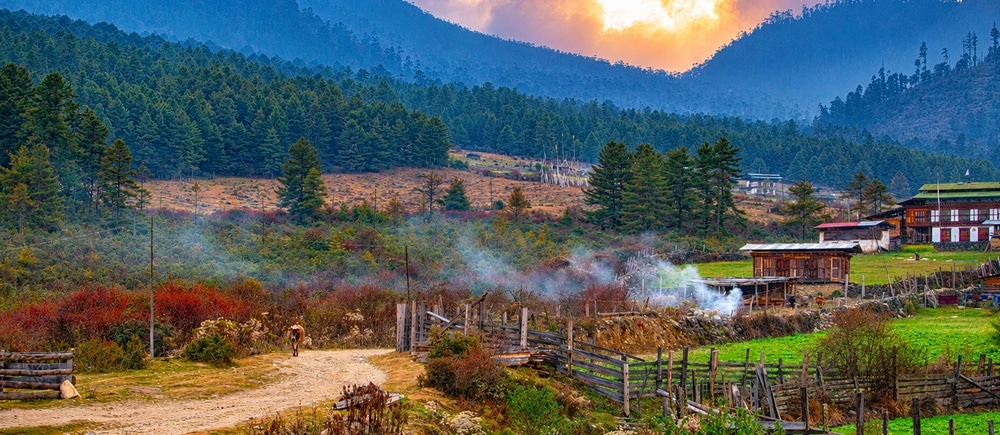
Set amidst the Eastern Ghats, Araku Valley is surrounded by thick forests, rolling hills, and rivers that add to its scenic charm. Its unique terrain, coupled with cool temperatures and misty mornings, creates an idyllic setting for sightseeing, trekking, and photography.
Why Visit Araku Valley?
- To relax amidst pristine natural landscapes and coffee plantations.
- To explore ancient Borra Caves with stalactite and stalagmite formations.
- To enjoy adventure activities like trekking, birdwatching, and camping.
- To immerse in the rich tribal culture and sample local cuisine.
Quick Facts & Information About Aaraku Valley
Location
Visakhapatnam District, AP
Best time to Visit
Oct - March
Famous For
Coffee Plantations, Borra Caves, Tribal Culture, Chaparai Waterfalls
Top Tourist Places to Visit in Aaraku Valley
Borra Caves
Located about 36 km from Araku Valley, Borra Caves are among the most stunning natural wonders in Andhra Pradesh. Formed millions of years ago, these limestone caves feature mesmerizing stalactites and stalagmites shaped into fascinating patterns by nature. Illuminated with colorful lights, the caves take on a mystical aura, making them a favorite for photography and exploration. Best Time to Visit Borra Caves: November to February.
Araku Tribal Museum
For those keen on exploring the cultural side of Araku Valley tourism, the Araku Tribal Museum is a must-visit. Built in 1996, the museum beautifully showcases the lifestyle, traditions, and handicrafts of the 19 tribal communities that inhabit the valley. Visitors can admire artifacts, traditional jewelry, hunting tools, and even life-sized huts that depict the daily lives of tribes. It’s an immersive experience that helps travelers connect deeply with the valley’s heritage. Best Time to Visit Tribal Museum: October to March
Padmapuram Botanical Gardens
Spread across lush green acres, Padmapuram Botanical Gardens is a delight for nature enthusiasts. The garden features a rich collection of exotic plants, ornamental flowers, and rare trees. One of its unique attractions is the treetop huts—cottages built on elevated platforms, offering a once-in-a-lifetime chance to stay amidst greenery. Best Time to Visit Padmapuram Gardens: October to January, when flowers are in full bloom and the weather is crisp and cool.
Chaparai Waterfalls (Dumbriguda Falls)
Just a short drive from Araku town, Chaparai Waterfalls is a popular picnic spot. Unlike tall roaring waterfalls, Chaparai flows gently over wide rock formations, making it safe for children to play and families to relax. Best Time to Visit Chaparai Waterfalls: Post-monsoon months (September to December)
Katiki Waterfalls
Katiki Waterfalls is a hidden gem tucked away in the lush forests near Borra Caves. To reach it, visitors must trek around 2 km through coffee plantations and rugged forest trails, making the journey as rewarding as the destination itself. The waterfall, cascading from a height of about 50 feet, is refreshing and perfect for adventure lovers who enjoy offbeat paths. Best Time to Visit Katiki Waterfalls: October to February
Tyda Nature Camp
Located about 40 km from Araku Valley, this campsite is managed by the Andhra Pradesh Tourism Department and offers jungle trekking, archery, birdwatching, and camping facilities. Surrounded by dense forests and hills, it’s an ideal retreat for adventure seekers as well as families looking to escape city life. Best Time to Visit Tyda Nature Camp: November to March.
Coffee Plantations
No trip to Araku Valley is complete without exploring its famed coffee plantations. The valley is renowned for producing organic Araku Coffee, which is globally recognized for its aroma and flavor. Plantation tours allow visitors to walk through coffee estates, interact with farmers, and learn about the process of cultivation and roasting. Best Time to Visit Coffee Plantations: December to February.
Top Things to Do in Aaraku Valley
Visit the Borra Caves
Ride the Araku Valley Train
Explore the Coffee Plantations
Enjoy Tribal Culture
Trekking and Nature Walks
Visit Padmapuram Gardens
Aaraku Valley Tourist Attractions
View All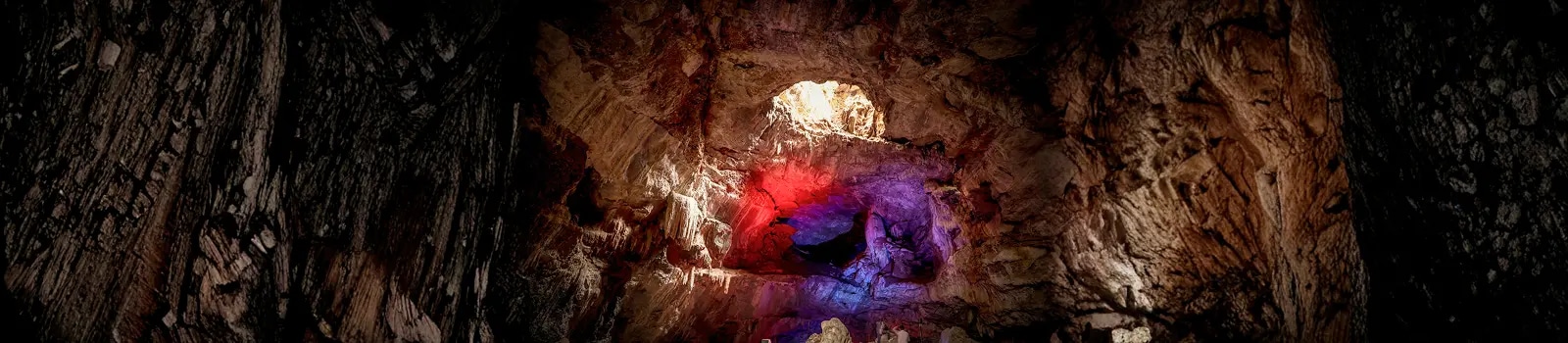
How To Reach Aaraku Valley?
The nearest airport is Visakhapatnam International Airport, located around 120 km from Araku Valley. From the airport, travelers can hire private taxis, cabs, or take state-run buses to reach the valley. The scenic drive through winding hills and forests makes the journey memorable.
Araku Railway Station connects to Visakhapatnam, offering one of the most picturesque train routes in India. The journey passes through over 50 tunnels, bridges, and lush green valleys, making the ride an attraction in itself.
Visitors can also reach Araku Valley by road from Visakhapatnam or nearby towns via private taxis, buses, or self-drive vehicles. The Ghat Road provides breathtaking views of rolling hills, coffee plantations, and misty forests along the way.
Important Travel Tips For Aaraku Valley
Best Time To Visit Araku Valley
Peak Season
Months: October to March
This is the most pleasant time to visit Araku Valley, with temperatures ranging from 14°C to 27°C.
Alternative Season
Months: April, May, and September
During these months, the valley experiences warmer temperatures between 20°C and 34°C.
Off Season
Months: June to August
The monsoon season is the best in Araku Valley
Month-wise Insights
- January–March: Crisp mornings and cool weather, excellent for sightseeing and outdoor treks.
- April–May: Warm afternoons; best to explore early mornings and late evenings.
- June–August: Rainy season with stunning greenery.
- September: Post-monsoon vibe with lushy coffee estates.
- October–December: Good weather and peak tourist activities.
Festival Calendar
- Araku Balloon Festival (January/February): Hot-air balloons celebration
- Tribal Festivals (throughout the year): Cultural dances, music, and local traditions.
- Coffee Harvest Celebrations (December–January): Plantation tours and tastings.
Clothing Recommendations
- Peak Season: Light woolens for evenings, cottons for day.
- Shoulder Season: Light cottons, hats, sunscreen, and sunglasses.
- Off Season: Quick-dry clothes, umbrellas, and waterproof footwear.
Things To Know Before Visiting Aaraku Valley
Respect Local Customs
Araku Valley is home to vibrant tribal communities. Visitors should respect their traditions, festivals, and rituals. Always ask permission before photographing villagers or cultural events.
Travel Essentials
Carry sufficient cash as smaller shops and eateries may not accept cards. Comfortable trekking shoes are necessary for exploring waterfalls, coffee plantations, and forest trails.
Seasonal Considerations
During monsoon, heavy rains can make trekking slippery, so carry rain gear and plan accordingly. Summers are warm, while winters are cool, requiring layered clothing.
Health & Safety
Stay hydrated, carry snacks for long treks, and follow marked trails to ensure a safe and enjoyable.
FAQs

Popular Tour Packages
Most booked holidays, hand-picked by our travellers