

Mukutmanipur Dam
Nestled at the serene meeting point of West Bengal and Jharkhand, Mukutmanipur Dam represents one of Eastern India's most scenic water reservoir destinations for nature lovers and peaceful escapes. This Mukutmanipur-Dam travel guide helps you explore its tranquil landscapes, tribal culture, wildlife nooks, and picture-postcard perfect sunset points. It is a paradise offering calm, blue waters; lush hills; and a relaxed atmosphere to travelers who seek nature, leisure, and adventure.
About Mukutmanipur Dam
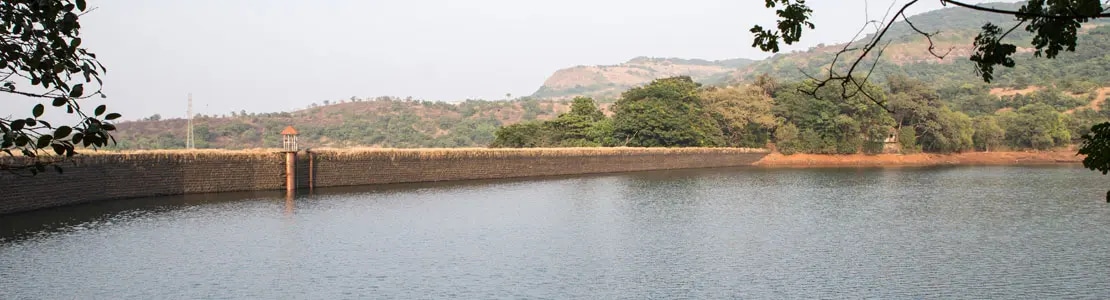
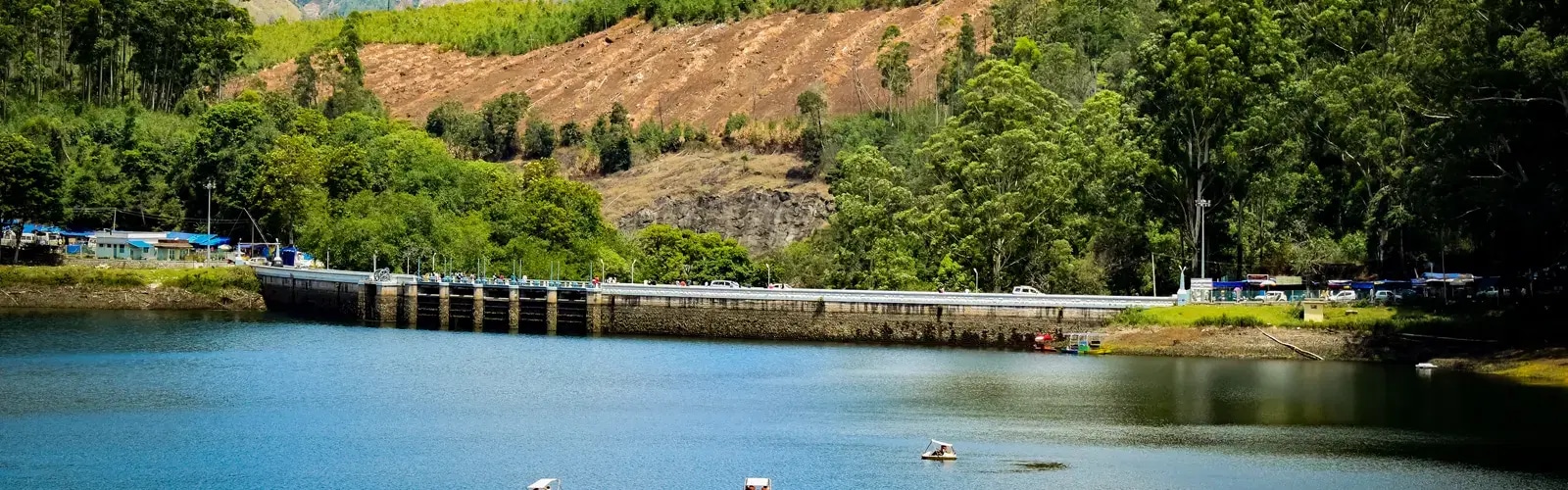
The Mukutmanipur Dam across the Kangsabati River is an iconic feat of engineering and one of India's biggest earth dams. Initially developed for regulating irrigation needs, over time, it has grown into a serene haven of nature with scenic visuals, wildlife sightings, and meaningful cultural experiences.
The surrounding region bears an influence from tribal heritage in the form of art, folklore, and traditional practices, adding a vibrant hue to the cultural features. Backed by rolling hills with soothing waters, the area's geographical allure shapes it as one of the most unique weekend getaways in West Bengal.
Today, Mukutmanipur has grown into a popular getaway for travellers seeking tranquillity, mild adventure, and water-based recreation—an essential stop for those exploring Mukutmanipur-Dam tourism.
Attractions in Mukutmanipur Dam
Discover the top attractions in Mukutmanipur-Dam that make it a favourite nature escape. Each spot offers a mix of beauty, culture, and quiet leisure, perfect for slow travellers.
Mukutmanipur Dam Viewpoint
This viewpoint provides a stunning view of the expansive water reservoir and the lush green hills that surround it.
Best Time: October–March
Entry Fee: Free
Pareshnath Shiv Temple
Located on a small hill overlooking the reservoir, this ancient temple attracts devotees and travellers alike. The tranquil setting and scenic backdrop make it ideal for meditation and peaceful walks.
Best Time: Winter months
Entry Fee: Free
Musafirana Viewpoint
Known for its peaceful atmosphere, this viewpoint features landscaped gardens and serene resting spots. Visitors love the gentle breeze and the mesmerising expanse of the Kangsabati waters.
Best Time: Afternoons during winter
Entry Fee: Free
Banpukuria Deer Park
A short distance from the dam lies this forested wildlife corner, home to spotted deer and native birdlife. It’s a popular choice for families and photography enthusiasts.
Best Time: Early mornings
Entry Fee: Nominal (Rs20–Rs30 approx.)
Ambikanagar Ruins
These archaeological remnants trace the region’s ancient history and cultural evolution. The ruins, partially submerged at times depending on water levels, create a surreal and mysterious attraction.
Best Time: Post-monsoon
Entry Fee: Free
Kangsabati Reservoir Boating Point
Boating in the calm, mirror-like reservoir is one of the top attractions in Mukutmanipur-Dam. Paddleboats, speedboats, and motor launches are available, offering visitors a closer look at the scenic expanse.
Best Time: November–February
Entry Fee: Rs150–Rs500 based on boat type
These places to visit in Mukutmanipur-Dam capture the spirit of nature, quiet recreation, and cultural immersion—making the region an unforgettable retreat for all types of travellers.
Activities in Mukutmanipur Dam
Whether you are an adventure enthusiast or a leisure seeker, Mukutmanipur offers a range of relaxing and engaging activities.
Boating on the Kangsabati River
The most popular activity, boating lets visitors enjoy the calm waters, surrounding hills, and stunning sunsets.
Famous For: Peaceful rides and scenic views
Best Time: October–February
Fee: Rs150–Rs500
Cycling Around the Dam Road
The long, smooth roads along the reservoir make cycling an enjoyable experience.
Famous For: Sunrise rides and photography
Best Time: Early mornings
Fee: Cycle rental charges vary
Nature Walks and Birdwatching
The forests around Mukutmanipur are rich in local bird species and small wildlife. Nature trails are gentle and accessible.
Famous For: Bird photography
Best Time: Winter mornings
Fee: Free
Visit to Tribal Villages
The villages around Mukutmanipur offer glimpses of indigenous art, terracotta work, and local lifestyle.
Famous For: Cultural immersion
Best Time: October–March
Fee: Free
Sunset Photography at the Dam
With wide water vistas and pastel skies, the dam area is a photographer’s dream.
Famous For: Landscape shots
Best Time: Evenings
Fee: Free
These activities ensure your trip stays relaxing, engaging, and meaningful—just the way a perfect Mukutmanipur-Dam travel guide should feel.
Best Time to Visit Mukutmanipur Dam
The best time to visit Mukutmanipur-Dam is during October to March, when the weather is cool and pleasant, ideal for sightseeing, boating, and nature walks. This peak season offers clear skies, comfortable temperatures, and lively tourist activity.
- The shoulder months of September and April are also suitable, with fewer crowds and mild weather.
- The monsoon season (July–August) transforms the region into a lush green paradise, though heavy rainfall may limit outdoor activities.
- Summers (May–June) are less favourable due to heat but offer lower accommodation prices.
- Month-wise temperatures range from 12°C in winter to 38°C in summer.
How to Reach Mukutmanipur Dam
Mukutmanipur is well connected to major towns in West Bengal.
• By Road: Regular buses operate from Bankura, Kolkata, Durgapur, and Asansol. Taxis and private vehicles are convenient options.
• By Train: The nearest railway station is Bankura (55 km), connected to major junctions including Howrah.
• By Air: The closest airport is Kolkata International Airport (230 km).
• Local Transport: Auto-rickshaws, hired bikes, and taxis are available for local sightseeing.
FAQs — Mukutmanipur Dam
Popular Tour Packages
Most booked holidays, hand-picked by our travellers