

Linganamakki Dam – Travel Guide and Activities
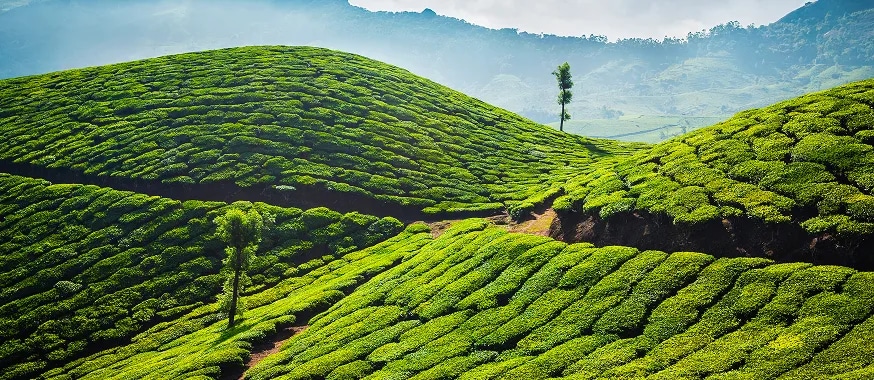
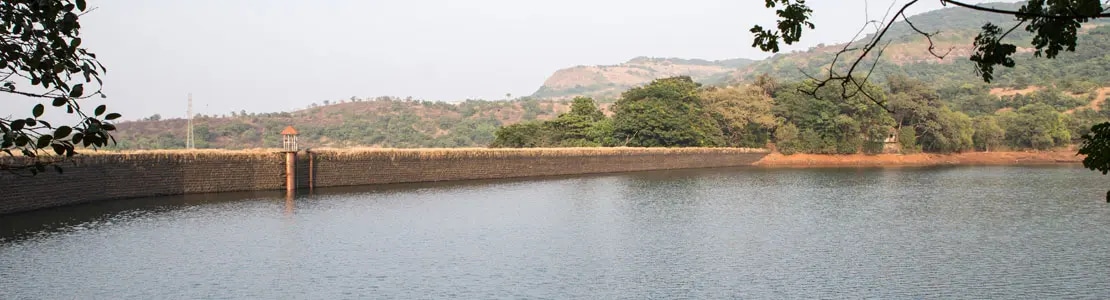
Linganamakki Dam, set amid emerald forests and misty valleys in the Western Ghats, is a serene destination that highlights the best of Karnataka's natural beauty. This Linganamakki Dam travel guide introduces Linganamakki Dam as an engineering marvel that appeals to nature lovers, photographers, and road-trippers seeking tranquillity and scenic views.
About Linganamakki Dam
Linganamakki Dam was built in 1964 across the Sharavati River and is one of Karnataka's major hydroelectric projects. It forms the principal reservoir for the famed Jog Falls, stretching across the lush Western Ghats terrain. The dam is surrounded by thick forests, rolling hills, and tranquil backwaters, creating an enchanting natural setting. Over the years, it has become an integral part of Linganamakki Dam tourism as visitors flock here for its calm environment, scenic viewpoints, and its engineering significance.
It is an economically vital structure that supports the Sharavati Hydroelectric Project, supplying power to large areas in the state. Small rural settlements and tribal communities nearby offer glimpses into local traditions, cuisine, and their close relationship with the forest. Travelers love the dam for its serenity, birdlife, and low-crowd atmosphere—a refreshing break from commercial tourist spots. Its combination of nature, water, and silence makes it truly special for those seeking a peaceful getaway.
Attractions in Linganamakki Dam
This section highlights the top attractions in Linganamakki Dam and the surrounding region. If you’re searching for places to visit in Linganamakki Dam, these scenic spots promise striking views, rich biodiversity, and memorable experiences.
Linganamakki Reservoir Viewpoint
The main viewpoint offers sweeping panoramas of the massive reservoir bordered by deep green valleys and distant hills.
Famous For: Sunrise photography, panoramic landscapes
Best Time to Visit: October to February
Entry Fee: None
Jog Falls
One of India’s tallest waterfalls, Jog Falls is fed directly by waters from the Linganamakki reservoir. The four cascades—Raja, Roarer, Rocket, and Rani—drop dramatically into a rocky gorge.
Famous For: Monsoon waterfall views, cliff viewpoints
Best Time to Visit: July to September
Entry Fee: None
Sharavati Wildlife Sanctuary
Located near the dam, this sanctuary protects rich Western Ghats biodiversity including hornbills, langurs, deer, and endemic plant species.
Famous For: Forest treks, wildlife photography
Best Time to Visit: November to March
Entry Fee: Approx. Rs50 per person
Dabbe Falls
A serene forest waterfall known for its pristine beauty, Dabbe Falls is ideal for those seeking quieter natural spots.
Famous For: Forest trails, uncrowded scenic beauty
Best Time to Visit: November to February
Entry Fee: None
Talaguppa Railway Station Heritage Spot
This charming railway station built during the British era is known for its classic architecture and quaint setting.
Famous For: Heritage photos, scenic train journeys
Best Time to Visit: Year-round
Entry Fee: None
Honnemaradu
A famous water-adventure hub on the backwaters of the Sharavathi River, ideal for day trips and peaceful picnics.
Famous For: Kayaking, canoeing, nature walks
Best Time to Visit: October to March
Entry Fee: Activity based
Sagar Town Temples
Close to Linganamakki Dam, Sagar is home to historic temples like Marikamba Temple and Sadashiva Temple.
Famous For: Architectural carvings, cultural heritage
Best Time to Visit: Year-round
Entry Fee: None
These attractions ensure your Linganamakki Dam travel guide covers both natural and cultural elements, offering a well-rounded experience to travelers.
Activities at Linganamakki Dam
If you’re looking for engaging things to do, these activities reflect the best of Linganamakki Dam tourism, combining adventure, nature, and scenic relaxation.
Boating on the Backwaters
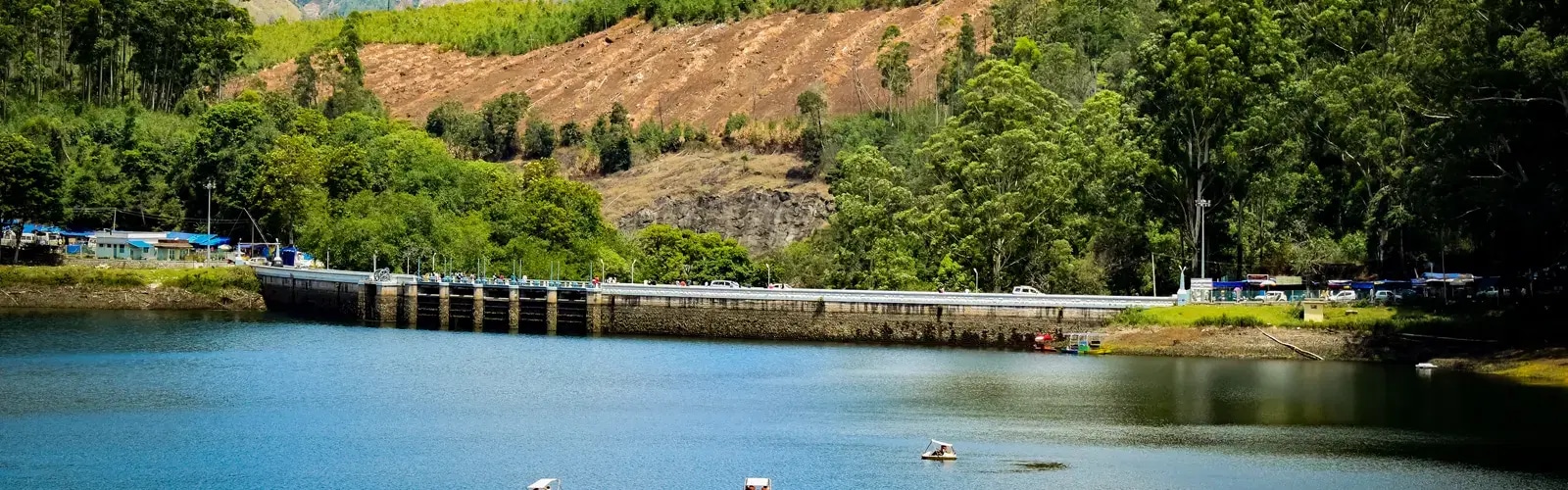
Enjoy gentle, serene boat rides that reveal untouched forested islands and quiet stretches of water.
Famous For: Calm waters, birdwatching
Best Time: October–February
Entry Fee: Approx. Rs100–Rs200
Birdwatching
The region supports hornbills, kingfishers, drongos, and migratory birds.
Famous For: Western Ghats avian diversity
Best Time: November–March
Entry Fee: None
Photography
The misty mornings, reservoir sunsets, and lush landscapes make this a dream for nature photographers.
Famous For: Landscape photography
Best Time: October–March
Entry Fee: None
Nature Trails and Easy Treks
Gentle trails around the dam area offer peaceful walks suitable for all age groups.
Famous For: Forest paths, quiet exploration
Best Time: December–February
Entry Fee: None
Visit to Jog Falls Viewpoints
Combine your dam visit with treks along the Jog Falls viewpoints.
Famous For: Monsoon waterfall views
Best Time: July–September
Entry Fee: None
Best Time to Visit Linganamakki Dam
The best time to visit Linganamakki Dam is between October and March, when the weather is cool and the views are clearest.
- Peak Season: December–February
Cool temperatures and low rainfall make it ideal for sightseeing and outdoor activities. Expect mild crowds at nearby attractions like Jog Falls. - Shoulder Season: October–November
A great time for lush post-monsoon landscapes with fewer tourists. - Off Season: June–September
Monsoon is beautiful, but heavy rains limit movement. Travel on a budget can be done, but most outdoor activities are closed.
Month-Wise Overview:
- Oct–Dec: Clear skies, best photography
- Jan–Mar: Pleasant weather, perfect for treks
- Jul–Sep: Waterfalls at peak flow
Clothing tips: Light cotton, comfortable shoes, and a light jacket for cooler evenings, rain gear during monsoon months.
How to Reach Linganamakki Dam
Reaching the dam is easy thanks to good connectivity from nearby towns.
By Air:
Nearest airport is Hubli Airport (165 km). Mangaluru Airport is another option at 200 km.
By Train:
Talaguppa Railway Station (14 km) is the closest, connected to major Karnataka cities.
By Road:
Well-maintained roads connect Sagar, Shivamogga, and Honnavar. Buses and taxis operate frequently.
FAQs — Linganamakki Dam – Travel Guide and Activities
Popular Tour Packages
Most booked holidays, hand-picked by our travellers