
Mumbai

Mumbai Tourism

Welcome to Mumbai, the “City of Dreams” – a dazzling blend of glamour, heritage, and coastal charm. From the iconic Gateway of India to the vibrant stalls at Crawford Market, Mumbai captivates travelers from all walks of life. Whether you’re exploring its colonial landmarks, sandy beaches like Juhu and Chowpatty, or the Bollywood film world, this city never sleeps.

Quick Stats:

  • Population: ~20 million
  • Best Time to Visit: October to March
  • Famous For: Bollywood, Marine Drive, Gateway of India, Street Food

About Mumbai

The financial, cultural, and film capital of India, Mumbai, is a city that embodies ambition and resilience. Situated along the Konkan coastline, it was originally a group of seven islands and is now India's largest metropolis. Its colonial legacy is evident in its Victorian-Gothic architecture, while its cosmopolitan reality shines through colourful markets, art precincts, and vibrant nightlife. From ancient caves to luxury high-rises, the city’s contrasts are mesmerizing.

Its multicultural identity, iconic dabbawalas, and boundless energy make it a must-visit destination. Whether you’re chasing heritage, shopping, or seeking serenity by the sea, Mumbai Tours and Packages offer curated experiences for every traveller. Explore Mumbai with exclusive City Tours and Packages designed to capture the essence of this dynamic metropolis.

Top Tourists Places To Visit in Mumbai

Mumbai, the lively capital of Maharashtra, offers a unique mix of historic colonial architecture, scenic coastal views, and a dynamic cosmopolitan vibe. From history enthusiasts and food lovers to casual travelers, these must-visit attractions in Mumbai showcase the city’s energetic and diverse spirit.

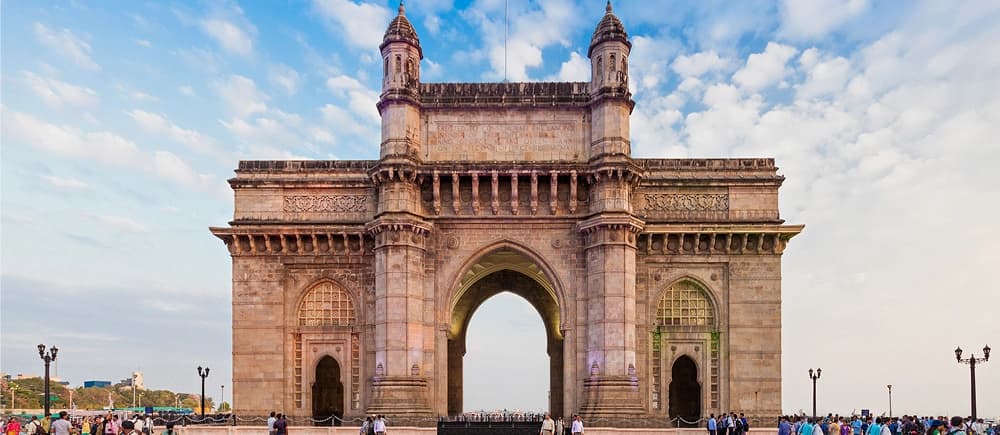
Gateway of India

Built in 1924, this majestic arch overlooking the Arabian Sea is Mumbai’s most iconic landmark. It’s also the starting point for ferry rides to Elephanta Island.

  • Famous For: Indo-Saracenic architecture
  • Best Time to Visit: Early morning or sunset
  • Entry Fee: Free

Marine Drive

Known as the “Queen’s Necklace,” this 3.6 km promenade dazzles with its sparkling night view. Ideal for evening walks and enjoying the sea breeze.

  • Famous For: Sunset views and seaside relaxation
  • Best Time to Visit: Evening
  • Entry Fee: Free

Chhatrapati Shivaji Maharaj Terminus (CSMT)

A must-see Mumbai landmark, this UNESCO-listed Victorian Gothic marvel celebrates the city’s legendary railway heritage.

  • Famous For: Architecture and history
  • Best Time to Visit: Anytime
  • Entry Fee: Free

Elephanta Caves

Located on Elephanta Island, these 5th–6th-century rock-cut caves contain elaborate sculptures of Hindu gods, such as Lord Shiva's magnificent "Maheshmurti."

  • Famous For: Ancient rock-cut art
  • Best Time to Visit: October–March
  • Entry Fee: Rs40 (Indians), Rs600 (foreigners)

Juhu Beach

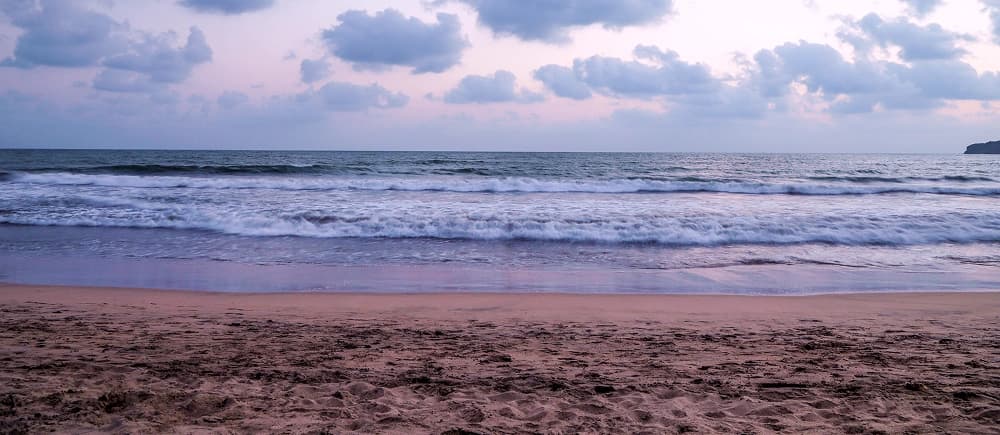
A vibrant seashore known for sunsets and the favourite munchies of Mumbaikars, such as bhel puri and pav bhaji.

  • Famous For: Local food and celebrity homes
  • Best Time to Visit: Evening
  • Entry Fee: Free

Siddhivinayak Temple

Dedicated to Lord Ganesha, this sacred temple draws millions of devotees and celebrities seeking blessings.

  • Famous For: Spiritual significance
  • Best Time to Visit: Early morning
  • Entry Fee: Free

Colaba Causeway Market

From heritage monuments to beach getaways, these Mumbai sightseeing attractions mirror the cities own pace and ageless charm.

  • Famous For: Street shopping and cafés
  • Entry Fee: Free

From heritage landmarks to coastal escapes, these Mumbai tourist attractions reflect the city’s unique rhythm and timeless appeal.

Top Things To Do In Mumbai

The "City of Dreams" of Mumbai offers an irresistible blend of glamour, heritage, and beach charm. From the glitz of Bollywood to colonial sophistication and street life, the following are the top things to do in Mumbai that capture the essence of the city.

Bollywood Studio Tour
Enter the glitzy universe of Indian film with a guided tour of the Bollywood studios. Observe live shoots, visit sets, and interact with performers.

  • Famous For: Bollywood experience
  • Best Time to Visit: Year-round
  • Entry Fee: Rs1,000–Rs3,000

Heritage Walk in South Mumbai
Stroll through history at historic spots such as the Rajabai Clock Tower, Flora Fountain, and Kala Ghoda Art District. Gaze at magnificent colonial buildings and street art.

  • Famous For: Architecture and art
  • Best Time to Visit: Morning hours

Visit Sanjay Gandhi National Park
A lush green retreat within the city, perfect for nature lovers. Explore the ancient Kanheri Caves, spot leopards, or enjoy a toy train ride through the forest.

  • Famous For: Wildlife and nature trails
  • Entry Fee: Rs64 per adult
  • Best Time to Visit: November to February

Street Food Trail
Relish Mumbai’s street food—from spicy vada pav and pav bhaji to mouth-watering kebabs at Mohammed Ali Road and seafood delights in Versova.

  • Famous For: Local cuisine
  • Best Time to Visit: Evening

Nightlife at Bandra and Lower Parel
Experience Mumbai after dark at rooftop lounges, jazz bars, and luxury nightclubs that pulse with music and energy.

  • Famous For: Nightlife, music, and fine dining

Best Time To Visit Mumbai

The best time to visit Mumbai is between October and March, when the weather is pleasant for sightseeing and outdoor activities.

  • Peak Season (Oct–Mar): Comfortable temperatures (20°C–30°C), ideal for beaches and festivals.
  • Shoulder Season (Apr–Jun): Hot and humid but less crowded.
  • Off Season (Jul–Sep): Monsoon magic with lush greenery, though outdoor trips can be tricky.

Festival Calendar:

  • Kala Ghoda Arts Festival (Feb)
  • Ganesh Chaturthi (Aug–Sep)
  • Mumbai Film Festival (Oct)

Clothing Tips: Light cottons in summer, umbrellas during monsoon, and light jackets in winter.

How To Reach Mumbai?

By Air :

Chhatrapati Shivaji Maharaj International Airport connects Mumbai with major global destinations and is about 20 km from the city centre.

By Rail :

Key stations like CSMT, Dadar, and Mumbai Central link the city to all parts of India.

By Road :

National highways connect Mumbai with Pune, Goa, and Gujarat.

By Sea :

Ferries from Mandwa, Alibaug, and Elephanta Island offer scenic travel routes.

Efficient public transport, taxis, and the metro make Mumbai tours and travels easy, convenient, and budget-friendly.

Things to Know Before Visiting Mumbai

Mumbai, India’s bustling financial capital, blends tradition with modernity.

  • Language: Marathi, Hindi, and English are extensively used.
  • Safety: Generally safe, but be cautious in crowded places and bazaars.
  • Local Transport: Convenient means of local trains, metro, buses, and taxis.
  • Cultural Etiquette: Dress modestly at temples and be considerate of local customs.
  • Health Tips: Drink plenty of water, avoid tap water, and apply mosquito repellent.        

Plan ahead and choose trusted Mumbai tours and packages for a seamless experience.

FAQs:

If you’re planning a trip to Mumbai, best time to visit is from October to March. The weather is comfortable, perfect for exploring the city, relaxing on the beaches, and joining in on local celebrations. Try to avoid the rainy season from June to September if you want dry days. During winter, you’ll also find many cultural festivals that bring extra energy and colour to the city.

Spending three to five days in Mumbai allows you to experience its famous attractions, including the Gateway of India, Marine Drive, and Elephanta Caves, while savouring local flavours and unwinding by the ocean in the evenings. For a slower-paced adventure, you can extend your trip to explore nearby gems like Lonavala or Alibaug.

Yes, Mumbai is safe for any tourist, one of India's safest cities. Police patrol public areas regularly, and the locals are very friendly and helpful. Be cautious in public places and avoid dark alleys at night. Store valuables safely to provide a secure and enjoyable Mumbai travel experience.

Absolutely. Mumbai is considered safe for solo and female travelers, even at night. Reliable transport, active streets, and police presence add security. Women can use dedicated train coaches and cab services. As with any city, staying cautious and aware of surroundings ensures a comfortable trip.

Pack light cotton attire, sunglasses, comfortable footwear, and a hat. For travel during the monsoons (June–September), pack rain gear and waterproof shoes. Add sunscreen, insect repellent, and a refillable water bottle. In winter (December–February), add a lightweight jacket for chilly evenings on the sea.

Stay in South Mumbai (Colaba, Fort, and Marine Drive) for easy access to heritage sites and waterfront views. Bandra and Juhu offer beachside stays, while Andheri and Lower Parel suit business travelers. Budget-friendly options are available in Dadar and Bandra East, close to train and metro links.

Public transport in Mumbai is efficient and affordable. Local trains, metro, buses, taxis, and auto-rickshaws are available in all major areas. Renting a car isn't required unless you have plans to venture out of the city. For short-duration visits, app cabs are easy and economical.

Chhatrapati Shivaji Maharaj International Airport is about 20 km from South Mumbai (Colaba). Travel time is approximately 45–60 minutes by car, depending on traffic. Metro and suburban train services also connect the airport to key areas like Bandra, Andheri, and Dadar for easy transit.

Mumbai offers a range of accommodations from luxury hotels like Taj Mahal Palace and The Oberoi to mid-range hotels, boutique accommodations, and budget hostels. Sea-facing hotels along Colaba and Marine Drive are much sought after by travelers. Book early during festival and business times for the best prices.

Book your Mumbai accommodation 2–3 weeks in advance for better rates. During peak tourist season (October–March) or major festivals like Ganesh Chaturthi and New Year, book at least a month ahead to secure availability and preferred locations, especially near South Mumbai attractions.

The local cuisine of Mumbai is a combination of Maharashtrian, Parsi, Gujarati, and international cuisines. Savour vada pav, pav bhaji, and kebabs at Mohammed Ali Road. Fresh seafood is enjoyed at Trishna or Gajalee by seafood aficionados. Street food and fine dining together make Mumbai a paradise for food enthusiasts.

Yes, Mumbai is a modern financial centre with ATMs, UPI, and card acceptance almost everywhere. There are digital transactions supported by hotels, restaurants, and shops. Bring some cash for small traders; otherwise, Mumbai tours and travels are convenient and easy with digital payments.