
Jammu Kashmir Tourism
The Crown of India
Jammu Kashmir blends towering mountains with clear lakes - vast valleys meet peaceful meadows, forming a scene that feels unreal. Famous for stunning scenery, deep traditions, yet also welcoming locals, visiting here leaves an enduring impact no matter if you seek romance, thrill, and vacation with family, or tranquil moments in nature. While Gulmarg features snowy summits, Srinagar offers calm boat trips on Dal Lake - each destination fascinates pulls you in differently
About Jammu Kashmir
Jammu Kashmir sits in northern India, renowned for its breathtaking views, green valleys and snow-capped peaks. It consists of three areas - Jammu, Kashmir, Ladakh - each carrying different customs and sights. While Jammu hosts old temples and spiritual importance, Kashmir draws visitors through picturesque scenery alongside thrilling outdoor activities; meanwhile, Ladakh features barren highlands plus centuries-old Buddhist sites.
Jammu Kashmir Tour Packages
View All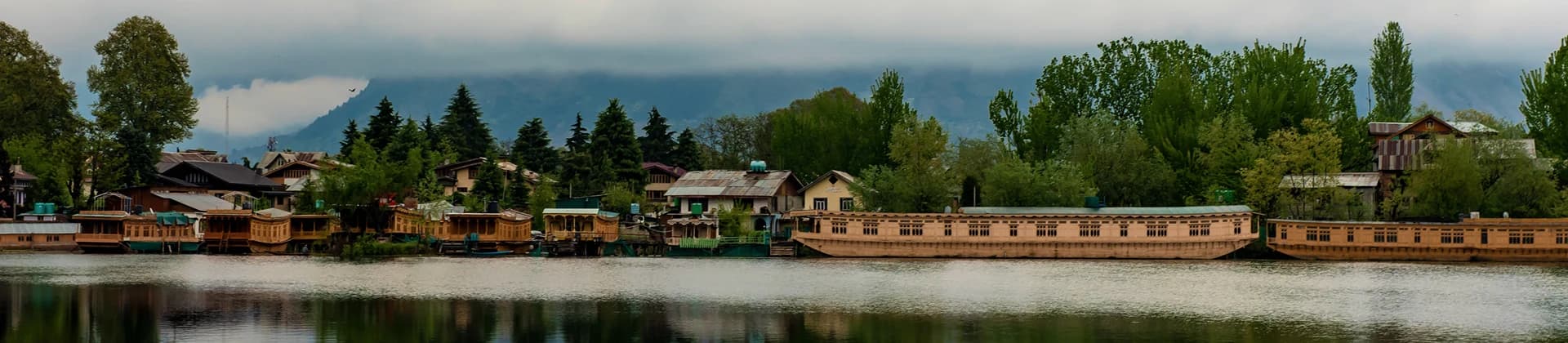
Top Tourist Places to Visit in Jammu Kashmir
Dal Lake, Srinagar
Dal Lake sits at the center of Srinagar, renowned for its tranquil waterways, wooden houseboats, and the mesmerizing Shikara trips. Vendors row small stalls selling crafts, blooms, also fresh goods from boat to boat. Tourists - whether couples, families, or those chasing alluring pictures often come early to experience its unadulterated vibrant evening skies, turning it into a must-see within Jammu Kashmir travel. Highlights: Shikara rides, houseboat stays, floating markets, Mughal Gardens Best Time to Visit: April to September
Gulmarg
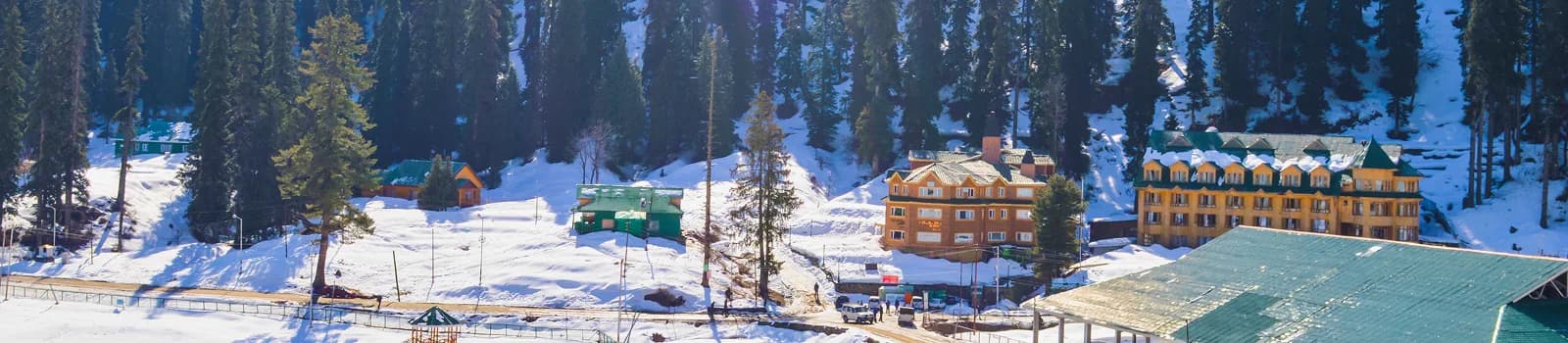
Gulmarg attracts those who love outdoor adventures together with natural beauty. Riding the Gondola toward Apharwat Peak offers stunning wide-angle sights of snow-capped summits together with dense pine woods. Activities like golf, hiking, or taking photos are widely available - so Gulmarg cater to many kinds of tourists exploring Jammu and Kashmir. Highlights: Skiing, Gondola rides, Golf course, Alpine meadows Best Time to Visit: December to March (snow), April to June (meadows)
Pahalgam
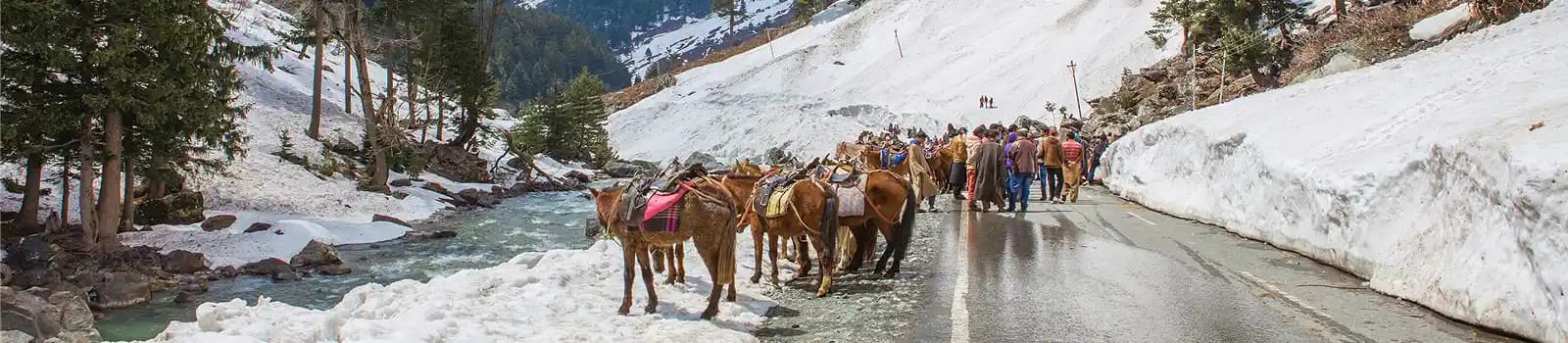
Pahalgam, called the "Valley of Shepherds," relishes clear rivers, dense pine woods, alongside lush meadows. Betaab Valley together with Aru offers breathtaking views ideal for hiking or taking photos. The Lidder River brings calm beauty - great for relaxing or slow strolls instead. Horseback rides together with river rafting give fun options; these suit couples, families, even those who love outdoor exploration. Highlights: Betaab Valley, Aru Valley, Lidder River, trekking, horse riding Best Time to Visit: April to October
Sonmarg
Sonmarg, called as the "Meadow of Gold," lies among glaciers, mountain lakes, besides snowy summits. Thajiwas Glacier works well for organized hikes; also offers great photography opportunities. Tourists indulge in catching trout, exploring trails, walking in the middle of green fields too. Sonmarg is also teemed with scenic ways along with proximity to Srinagar enables short visits or longer breaks. Highlights: Thajiwas Glacier, Trekking, Trout fishing, alpine lakes Best Time to Visit: May to September
Vaishno Devi, Jammu
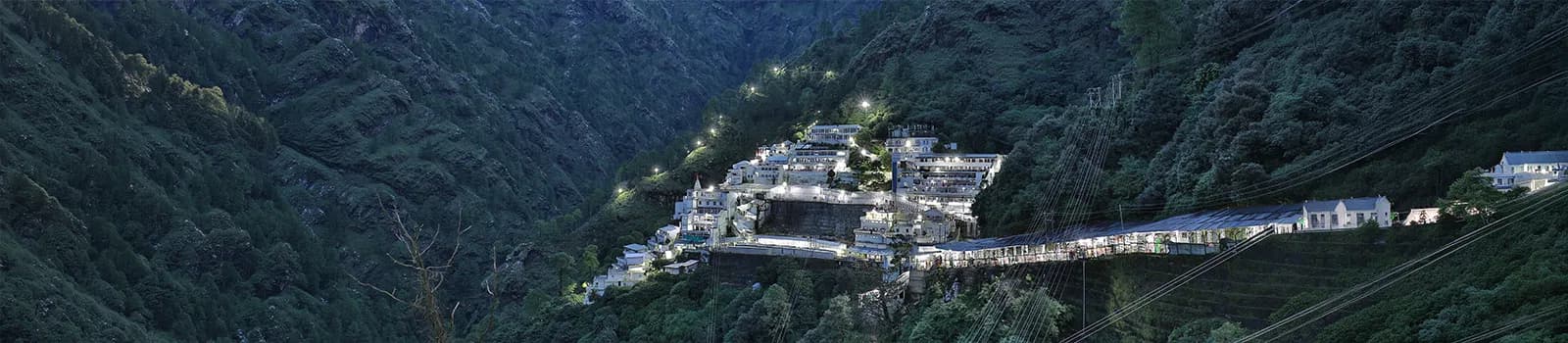
Vaishno Devi invites boundless visitors each year due to its deep religious importance. Although the journey spans 12 km, many visit it on foot toward the sacred cave nestled in Trikuta Hills. As they climb, tourists are greeted by breathtaking panoramas across the valleys below. Highlights: Vaishno Devi Shrine, Bhawan, Holy trek Best Time to Visit: Year-round (peak: March–November)
Mughal Gardens, Srinagar
The renowned Mughal Gardens - Shalimar Bagh, Nishat Bagh, Chashme Shahi - highlight stepped green spaces in Persian fashion, along with water jets and vibrant blossoms. With their elegant design from Mughal era, they offer ideal spots for relaxed walks or taking photos. Highlights: Mughal architecture, terraced lawns, flower blooms Best Time to Visit: April to October
Leh & Nubra Valley, Ladakh
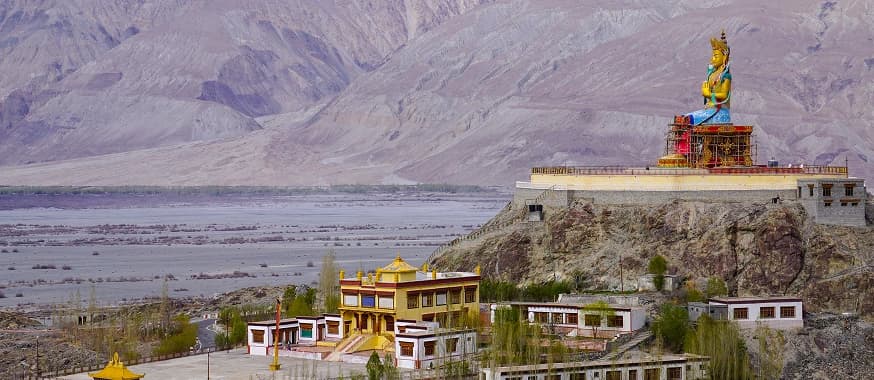
Leh alongside Nubra Valley highlights stark terrain marked by remote feel, historical temples, stunning views. Adventurers take part in treks, desert rides on Bactrian camels, stream fords - meanwhile culture lovers visit religious landmarks like Diski Monastery or Thiksey Gompa. Highlights: Monasteries, camel safari, trekking, high-altitude landscapes Best Time to Visit: June to September
Top Things to Do in Jammu Kashmir
Skiing & Snowboarding in Gulmarg
Shikara Rides in Srinagar
Trekking & Camping
River Rafting & Fishing
Heli-Tours in Gulmarg
Jammu Kashmir Tourist Attractions
View All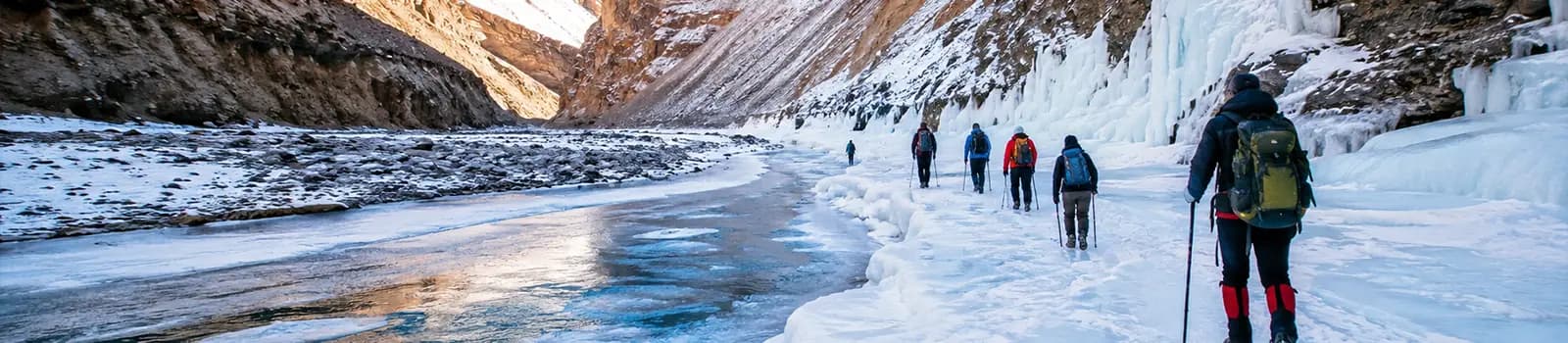
How To Reach Jammu Kashmir?
Srinagar International Airport – 12 km from Srinagar city; flights from Delhi, Mumbai, Bangalore, and international hubs. Jammu Airport – 15 km from Jammu city; domestic flights from Delhi, Mumbai, Kolkata.
Jammu Tawi Railway Station – 2 km from city center; links Delhi (~10 hrs), Mumbai (~24 hrs), and Kolkata (~ 36 hrs).
NH44 – Connects Jammu Kashmir with Delhi (~600 km, 12–14 hrs) and Chandigarh (~350 km, 8–9 hrs). State-run and private buses, taxis, and cabs offer flexible travel choices.
Important Travel Tips For Jammu Kashmir
- Select registered guides while trekking or doing outdoor adventures.
- Embark on the morning to skip busy spots at significant sites.
- Carry a power bank, snacks and reusable water bottle for prolonged explorations
- Carry thermals along with snow boots, waterproof jackets and gloves if travelling in winter.
- Try to adapt yourself with elevated regions to avoid mountain sickness
- Always have emergency contacts on hand along with first-aid kits for safety
- Respect local customs while exploring villages or ancient spots with utmost care towards nature. Respect community ways instead of ignoring them during visits. Honor heritage practices while exploring cultural landmarks. Safe guard surroundings by acting responsibly at religious sites
Things To Know Before Visiting Jammu Kashmir
Weather conditions: April through October welcomes mild weather, ideal for exploring outdoors; but December to February invites deep snow in Gulmarg, Pahalgam, and Sonmarg. Remain updated on local predictions before you head out.
Keep key papers plus outfits ready: Carry an official ID together with access passes, gear suited to weather conditions - thermal layers, warm padded jackets, sturdy shoes for snowy spots - or breathable items where it’s hot.
Lock in lodging and transit ahead of time - Particularly at busy times - to get favoured choices while reducing last-minute stress.
Be mindful of traditions at sacred places: Wear simple clothes, remove your footwear when required, stick to photo guidelines instead use common sense, also respect habits around you - this enriches your visit naturally.
Get ready for remote zones and outdoor trips: Carry cash, offline maps, a power bank, also some food when heading off-grid. Drink and carry enough water, adjust slowly to higher elevations.
Religious Tourism
- Shri Mata Vaishno Devi Shrine, Jammu: A 12-km trek via Trikuta Hills for blessings.
- Shankaracharya Temple, Srinagar: Dedicated to Lord Shiva with hilltop views overlooking Dal Lake.
- Hazratbal Shrine, Srinagar: Renowned Islamic site with Mughal-style architecture.
- Amarnath Cave, Pahalgam: Occasional pilgrimage for Lord Shiva devotees.
- Hemis Monastery, Ladakh: Popular for Hemis Festival and exquisite thangka art.
- Martand Sun Temple, Anantnag: Historical Sun Temple with astounding architectural
Souvenirs
- Hand-woven Pashmina shawls & scarves: luxurious, Soft, iconic.
- Kashmiri woollens & pherans: Traditional winter attires
- Walnut-wood artifacts: Intricately carved furniture and décor.
- Papier-mâché décor: Boxes, vases, ornaments with detailed painting.
- Saffron & dry fruits: Premium Kashmiri saffron, walnuts, almonds, apricots.
- Traditional carpets & rugs: Hand-knotted with ornate patterns.
- Copperware & brassware: Bowls, plates, utensils reflecting craftsmanship.
- Kashmiri embroidery & crewel work: Stoles, pillow covers, wall hangings.
Popular Dishes
- Rogan Josh: Gently cooked lamb curry with Kashmiri spices.
- Yakhni: Mild mutton gravy with yogurt and aromatic spices.
- Gushtaba & Rista: Rich Wazwan dishes for special occasions.
- Kashmiri Kahwa: Saffron-infused green tea mixed with almonds.
- Jammu Rajma & Kaladi Kulcha: Traditional vegetarian dishes with local spices
- Modur Pulao: Sweet rice especially served during festivities.
FAQs on Jammu & Kashmir
Popular Tour Packages
Most booked holidays, hand-picked by our travellers