
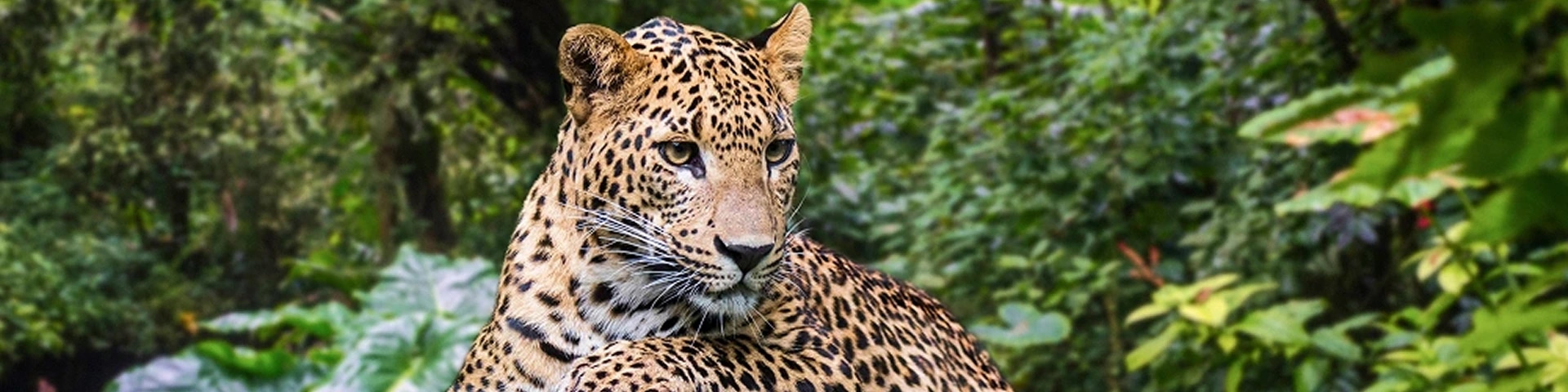
Lothian Island Wildlife Sanctuary
Tucked away in the expansive delta of the Ganges, Lothian Island Wildlife Sanctuary offers a unique peek into India’s untouched mangrove ecosystem. Nestled in the southern part of the Sundarbans, this serene sanctuary is a paradise for wildlife enthusiasts, bird watchers, and eco-tourists eager to experience unspoiled natural beauty. With its tranquil creeks, lush forests, and vibrant biodiversity, it’s a fantastic spot for anyone looking to explore nature.
About Lothian Island Wildlife Sanctuary:
Lothian Island Wildlife Sanctuary is one of the hidden treasures of the Sundarbans delta, playing a crucial role in safeguarding the delicate mangrove ecosystem. Established in 1976, this sanctuary covers 38 square kilometres and is a vital part of the larger Sundarbans biosphere reserve. The area has been shaped over time by the ever-changing rivers of the Ganges delta, resulting in a fascinating network of tidal creeks and mangrove forests.
The sanctuary embodies the cultural and ecological essence of coastal West Bengal, where local communities rely on fishing, honey harvesting, and sustainable forest resources. Its thick mangroves act as a shield against coastal erosion and cyclones while nurturing a wide variety of wildlife.
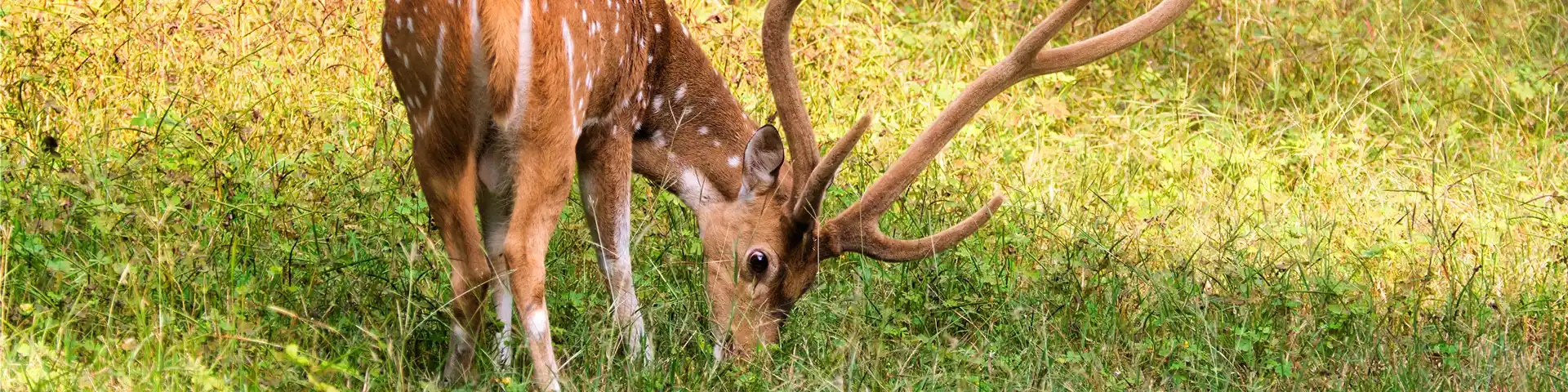
Nowadays, Lothian Island Wildlife Sanctuary attracts nature lovers seeking peaceful wildlife encounters away from the hustle and bustle of more popular spots. Here, visitors can observe estuarine crocodiles, spotted deer, and a diverse range of bird species. With its serene landscapes and ecological significance, it’s a must-visit on many travel itineraries exploring the Sundarbans region.
Attractions in Lothian Island Wildlife Sanctuary:
Lothian Mangrove Forest
At the heart of the sanctuary lies a dense mangrove forest, which is truly the main attraction. These mangroves create a rich ecosystem where land meets water, providing a home for a variety of plant and animal species.
Visitors can explore the waterways by boat, offering a close view of the forest’s intricate root systems and wildlife habitats.
- Famous for: Rich mangrove biodiversity and scenic boat rides
- Best time to visit: November to February for pleasant weather
- Entry fee: Usually included in Sundarbans forest permits
Bird Watching Zones
If you're a bird enthusiast, this sanctuary is a must-visit. During the winter months, migratory birds flock to the wetlands, transforming the area into a lively birdwatching paradise. You can spot herons, kingfishers, egrets, and sandpipers as they flit among the mangroves.
- Famous for: Seasonal migratory birds and wetland birdlife
- Best time to visit: December to February
- Entry fee: Included in sanctuary entry permits
Estuarine Crocodile Habitat
Lothian Island is famous for its healthy population of estuarine crocodiles. You can often spot these fascinating reptiles basking on riverbanks or gliding through the tidal creeks.
Guided boat safaris offer a safe way for visitors to observe these incredible creatures in their natural surroundings.
- Famous for: Crocodile sightings in natural mangrove creeks
- Best time to visit: Winter months when wildlife is more visible
- Entry fee: Covered within wildlife safari permits
Scenic River Creeks
The sanctuary's winding creeks create stunning landscapes and serve as essential waterways for wildlife. These tranquil channels provide an immersive experience for visitors exploring the Sundarbans delta, allowing them to connect with nature in a unique way.
- Famous for: Quiet boat rides and mangrove scenery
- Best time to visit: October to March
- Entry fee: Included in guided boat tour packages
These locations form the top attractions in Lothian Island Wildlife Sanctuary, making it a fascinating destination for eco-tourism and wildlife exploration.
Best time to visit:
The ideal time to visit Lothian Island Wildlife Sanctuary is from October to March, when the weather is cooler, and wildlife sightings are more abundant. The peak travel season falls between November and February, with temperatures ranging from 12°C to 25°C, making boat safaris both comfortable and enjoyable.
October to March is the shoulder season, with fewer tourists and pleasant weather, and it's perfect for photographers and birdwatchers alike.
During the monsoon season (June to September), heavy rains and strong tides can limit travel, and it's the off-season. However, this is when the forest bursts into life, becoming lush and vibrant.
Visitors should wear light cotton clothing during winter afternoons, carry warm layers for mornings, and pack rain protection if traveling near the monsoon season.
Activities in Lothian Island Wildlife Sanctuary:
Mangrove Boat Safari
One of the most popular experiences in the sanctuary is taking a boat safari through the winding mangrove waterways. As visitors glide along the tidal creeks, they can soak in the sights of diverse wildlife and the lush mangrove vegetation surrounding them.
- Duration: 2–4 hours
- Best for: Wildlife enthusiasts and nature photographers
Bird Watching
The sanctuary's wetlands and mangroves are a haven for both resident and migratory birds. Early morning birdwatching tours offer fantastic chances to catch a glimpse of rare species in their natural habitat.
- Duration: 2–3 hours
- Best for: Bird watchers and eco-tourists
Wildlife Photography
With its pristine natural environment, Lothian Island is a dream come true for wildlife photographers. Imagine capturing stunning shots of crocodiles, deer, and various birds set against the breathtaking backdrop of mangrove forests and tidal rivers.
- Duration: Half-day or full-day tours
- Best for: Photographers and wildlife researchers
Sundarbans Eco-Exploration
Many visitors choose to pair their trip to Lothian Island with nearby Sundarbans destinations, creating an extended eco-tourism adventure. These excursions showcase the incredible biodiversity and rich cultural life of the delta region.
- Duration: 1–2 days
- Best for: Adventure travelers and nature lovers
These experiences make Lothian Island Wildlife Sanctuary tourism a rewarding adventure for travelers seeking quiet nature escapes and authentic wildlife encounters.
How to reach:
By Air: Fly into the nearest airport, Netaji Subhas Chandra Bose International Airport (CCU) in Kolkata. From Kolkata, you'll need to arrange road or rail transport to Namkhana (approx. 100-125 km away).
By Train: Take a train from Kolkata (like Sealdah Station) to Namkhana Railway Station.
By Road: Drive from Kolkata to Namkhana, a journey of about 3.5-4 hours.
We at Indian Panorama provide the best crafted tour and travel packages for you to explore the best of Kundadri tourism.
FAQs — Lothian Island Wildlife Sanctuary

Popular Tour Packages
Most booked holidays, hand-picked by our travellers