
Kaila Devi Wildlife Sanctuary
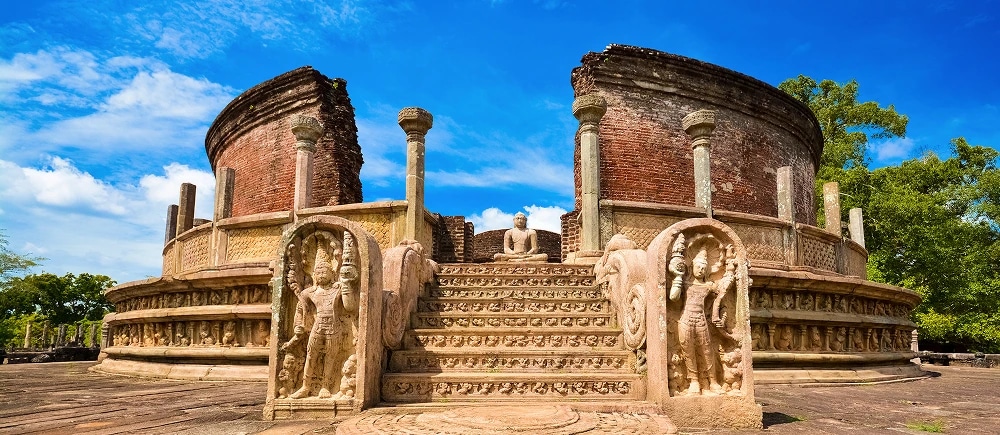
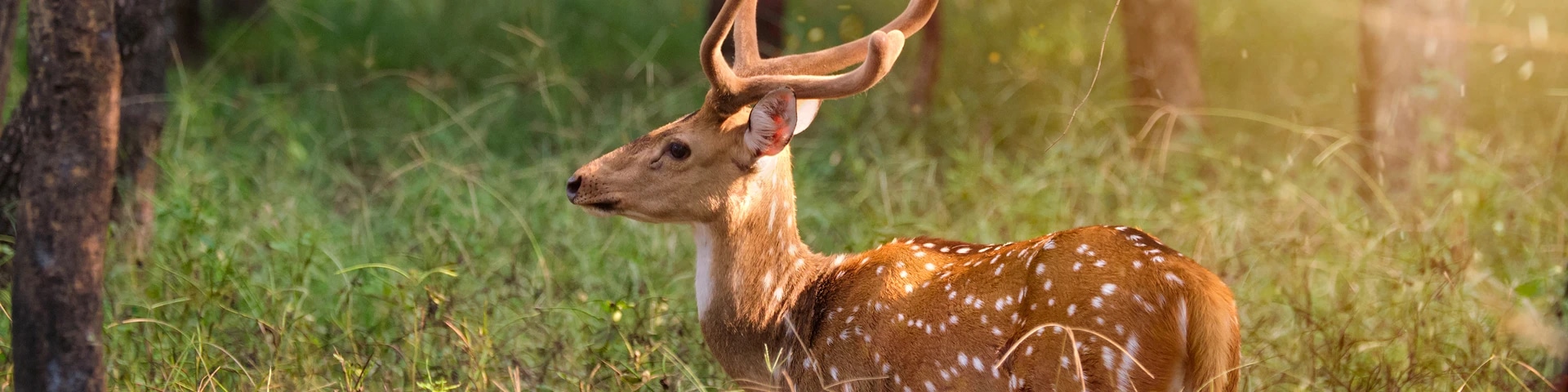
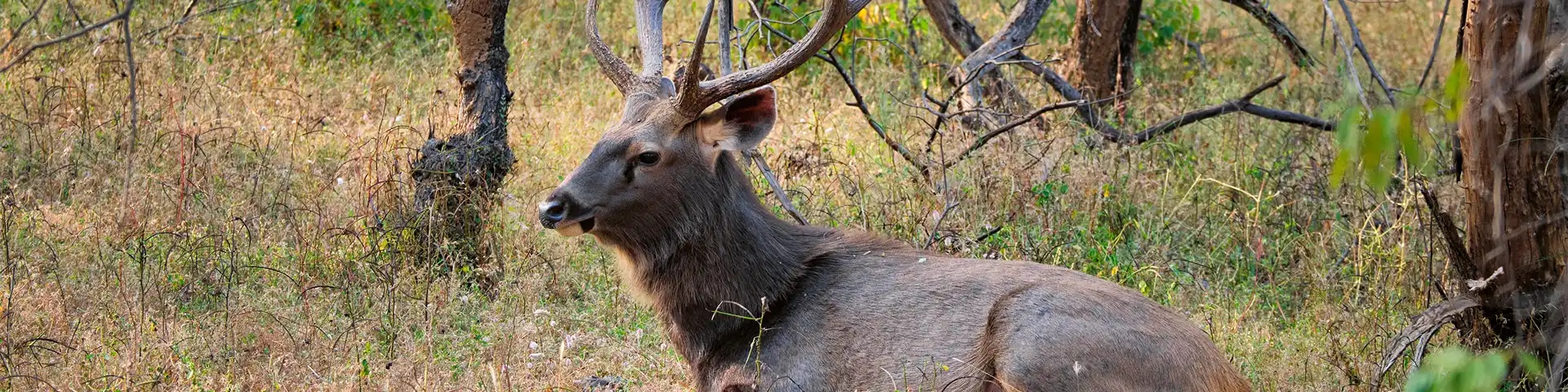
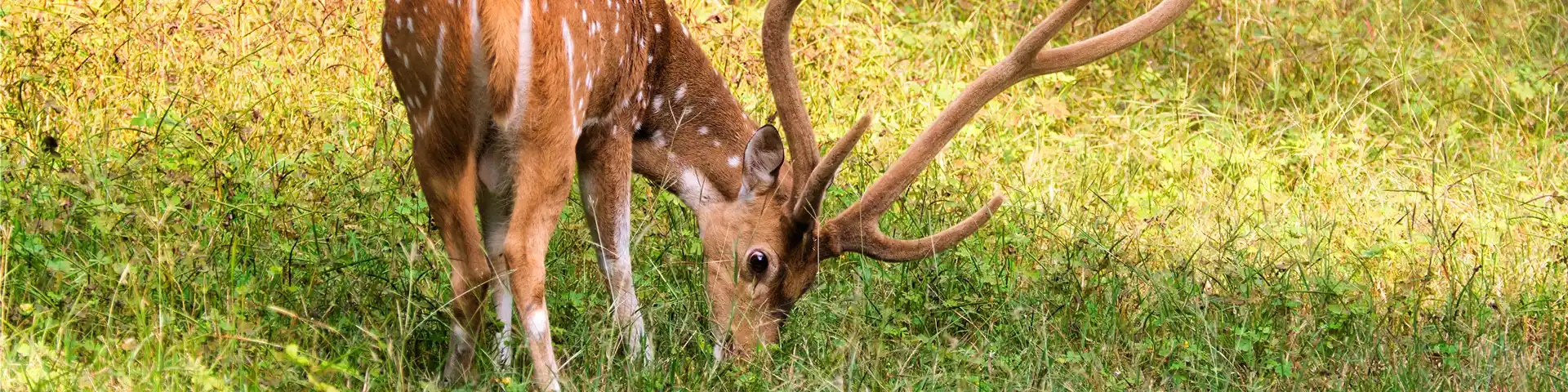
Step into the rugged, hilly terrain of the Kaila Devi Wildlife Sanctuary, a vital green extension of Ranthambore, where ancient forests meet dramatic gorges. The sanctuary offers thrilling safaris and a glimpse into Rajasthan’s wild spirit, all under the watchful presence of the sacred Kaila Devi Temple. Book Your Adventure Now! Explore Tailored Travel Packages
FAQs — Kaila Devi Wildlife Sanctuary
Winter (October–March) is considered ideal due to its comfortable temperatures and clear skies, making it suitable for jeep safaris, trekking, camping, and birdwatching. The monsoon season (July–September) is favourable for nature photography, as the sanctuary becomes lush and green with seasonal waterfalls. Summer (April–June) is suitable for dedicated wildlife enthusiasts because animals gather near water sources, although the weather is extremely hot.
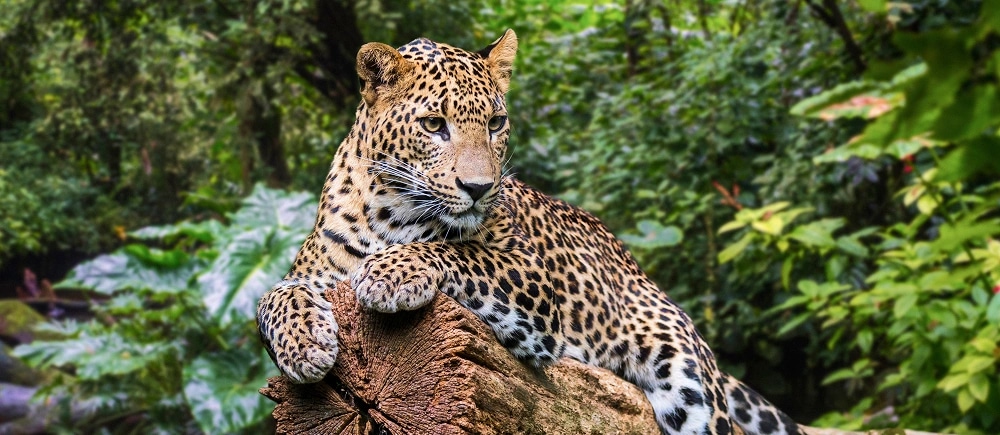
Kaila Devi Wildlife Sanctuary is generally safe and well-liked by visitors, offering guided jeep safaris, treks, and nature walks. Still, visitors should follow essential wildlife precautions—stay aware of your surroundings and remain with your guide, as leopards and other animals live in the area.
For Kaila Devi Wildlife Sanctuary, 1 to 2 days are generally enough for a good experience, allowing for a full day of Jeep safaris, birdwatching (especially around Maamchari Lake), and exploring nearby sites like Kalisil River by boat, with many visitors doing day trips from Karauli; however, organized safaris can extend to 3-4 days for deeper exploration and camping.
Carry the essentials: clothing, footwear, headwear, water, snacks, power bank, torch, camera, binoculars, small backpack, insect repellent, first-aid kit, sanitizer, multi-tool, and sun protection (sunscreen, sunglasses, hat).
Advance accommodations bookings are recommended during peak seasons (Feb-Mar, Dec) and consider staying in locations such as Karauli or Sapotra which serve as convenient bases for reaching both the Kaila Devi Temple and the wildlife sanctuary for safaris and exploration.
While public transport (primarily buses) can take you to nearby towns such as Karauli or Gangapur City, a rental car offers greater flexibility and convenience for exploring the sanctuary and surrounding areas. Local transport within the sanctuary (rickshaws or taxis) is limited, making a private vehicle more suitable for wildlife spotting and scheduling.
Mobile network connectivity is generally weak, particularly in the interior areas, as it is a protected forest region. However, limited signal may be available near the sanctuary boundaries or the main temple area.
Yes. Near Kaila Devi Wildlife Sanctuary, especially around the temple complex, visitors can access basic dining options, including the Bhandara (community meals/prasad) and modest local food stalls. More diverse and substantial restaurant choices are available in nearby towns such as Karauli and Hindaun City, which serve both pilgrims and tourists.
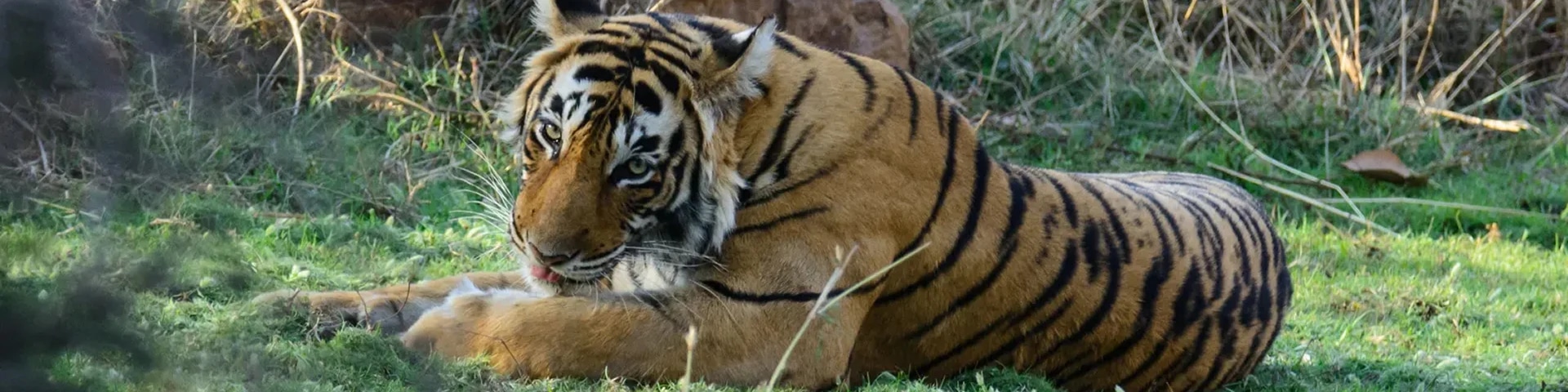
For an international tourist, From October to March, offering pleasant, cool weather (9°C-31°C), clear skies for better wildlife spotting (tigers, leopards), and vibrant cultural experiences, especially during the March-April festival, though this means more crowds. The monsoon (July-September) brings lush greenery but limits activities, while summer (April-June) is dry with animals gathering at water sources, but it's very hot.
Popular Tour Packages
Most booked holidays, hand-picked by our travellers