
Solan Tourism
Solan, also known as the "City of Red Gold" due to its rich tomato production, is a hidden treasure in Himachal Pradesh. The city is named after the most revered goddess Shoolini Devi, a form of Goddess Durga. It is also called as the "Mushroom City of India" due to its commercial mushroom production. Surrounded by deodar, cedar, and pine forests, Solan serves as an industrial, pharmaceutical, and cultural center, all set against a backdrop of stunning natural beauty.
About Solan
Solan is a city where nature, culture, and history come together.
- History of Solan: The city got its name from Shoolini Devi, a revered local goddess. It has long been a hub for agriculture, industry, and pharmaceuticals.
- Culture of Solan: Festivals, temples, and rural communities show the rich traditions of Himachal Pradesh. Local food, strawberry farms, and fairs provide genuine cultural experiences.
- Geographical Features of Solan: Surrounded by pine, cedar, and deodar forests, Solan has rolling hills, peaceful valleys, and fertile land.
- Why Visit Solan: Nature lovers, adventure seekers, and those interested in culture come to Solan for trekking, temple tours, fruit farms, and tranquil hill station experiences.
Quick Facts & Information About Solan
Population
~39,000 (Solan city, Census 2011)
Best Time to Visit
March to July
Famous For
Shoolini Devi Temple, Karol Tibba Trek, Strawberry Farms, and Mushroom Production
Top Tourist Places to Visit in Solan
Shoolini Devi Temple
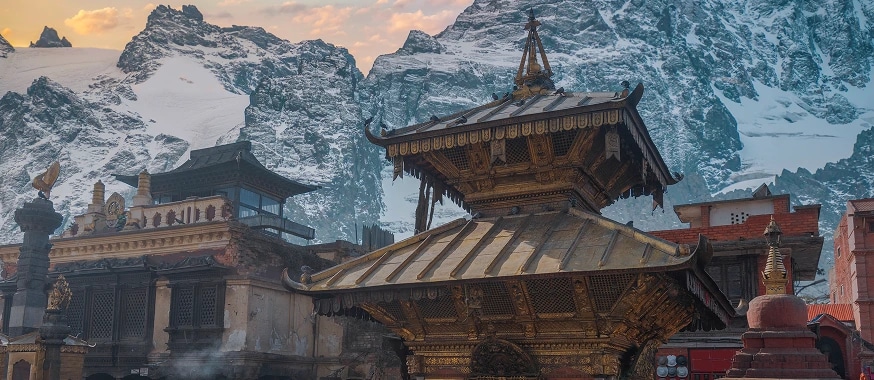
Shoolini Devi Temple is a most revered shrine dedicated to Goddess Shoolini, believed to be an incarnation of the Supreme Goddess Durga. It invites thousands of devotees, during local festivals. The temple also offers panoramic views of Solan city, making it a serene place for meditation, spiritual experiences, and photography. Highlights: Spiritual experiences, festivals, panoramic city views, serene ambiance Best Time to Visit: March to July
Karol Tibba Trek
The Karol Tibba Trek is a fairly demanding trail that takes you through verdant forests, rolling hills, and historic landmarks linked with the Pandavas. Along the trek, tourists can visit the Karol Temple, a revered shrine dedicated to Goddess Kali. Highlights: Trekking, nature walks, Karol Temple visit, scenic vistas Best Time to Visit: March to July
Manki Point
Manki Point is a famous viewpoint in Solan, offering stunning vistas of the surrounding Himalayan ranges. Highlights: Sunset/sunrise photography, Best Time to Visit: All year
Sanjeevni Temple
Sanjeevni Temple is a significant spiritual retreat in Solan, inviting devotees seeking divine blessings. Located amidst scenic hills, this temple is ideal for meditation and prayer Highlights: Religious significance, scenic surroundings, meditation Best Time to Visit: March to July
Shilli Wildlife Sanctuary
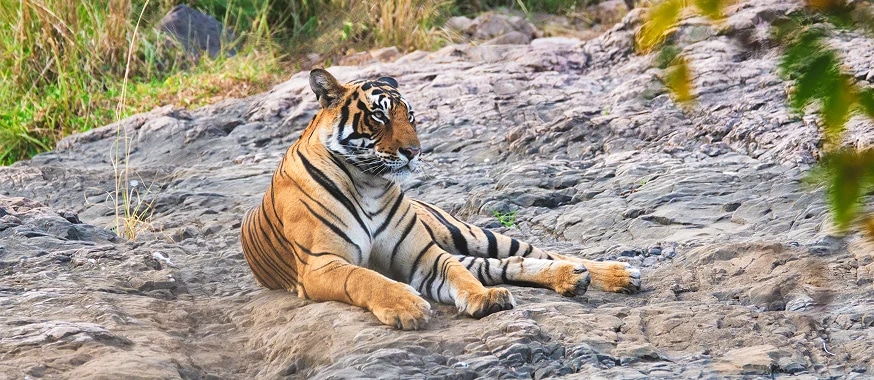
being a haven for wildlife and nature enthusiasts Shilli Wildlife Sanctuary is a home to diverse flora and fauna. Trekking trails lead through lushy forests, where visitors can witness many animals, birds, and plant species Highlights: Wildlife spotting, trekking, photography, nature trails Best Time to Visit: March to July
Jawahar Park & Children’s Park
These parks are the best spots for families and kids visiting Solan offering recreational spaces, picnic areas, and play zones amidst lush greenery. Highlights: Play areas, picnic spots, city views, family-friendly environment Best Time to Visit: All year
Mohan Shakti National Heritage Park & Menri Monastery
Mohan Shakti National Heritage Park exhibits traditional architecture, sculptures, and art, while Menri Monastery offers a tranquil environment for meditation providing insights into Himachal Pradesh’s heritage and spirituality. Highlights: Heritage walks, photography, spiritual tours, cultural insights Best Time to Visit: March to July
Top Things to Do in Solan
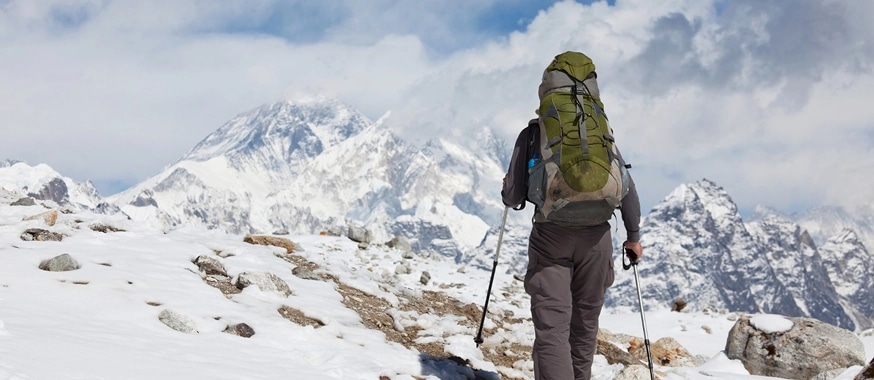
Trekking
Temple Visits
Strawberry & Mushroom Farm Tours
Sightseeing & Photography
How To Reach Solan?
The nearest airport to Solan is Shimla Airport, approximately 45 km away. Travelers can hire taxis, cabs, or private vehicles from the airport to reach Solan comfortably. The drive takes around 1.5–2 hours, passing through scenic hills, lush pine forests, and quaint towns.
Solan Railway Station is located on the UNESCO World Heritage Kalka–Shimla Railway, offering travelers a historic and scenic train journey through the Himalayas. The railway line is famous for its charming narrow-gauge route, tunnels, and bridges amidst rolling hills. Trains from Kalka, Chandigarh, and nearby cities connect efficiently.
Solan enjoys excellent road connectivity via NH 22 and other local highways linking it to Shimla, Chandigarh, and surrounding towns. Government buses and private deluxe or luxury taxis are available, offering multiple options.
Important Travel Tips For Solan
Best Time To Visit Solan
Peak Season
The best time to visit Solan is from March to July. During this period, the weather is gentle and temperatures are moderate. This period is best for sightseeing, trekking, and outdoor exploration.
Shoulder Season
The month August to September bring cooler temperatures and fewer tourists. This allows for a more peaceful experience. Occasional showers can occur, adding a lush charm to the forests.
Winter Season
From October to February, Solan has mild winters with cool air and clear skies. When the temperatures drop, the scenic views of the surrounding hills and forests are mesmerizing. Some high-altitude treks may become tough due to colder conditions. However, this season is perfect for photography, nature walks, and enjoying the calm atmosphere.
Clothing Recommendations Peak Season (March to July)
Wear light cotton clothing, comfortable trekking shoes, hats, sunglasses and sunscreen. Layered clothing is best for early mornings and late evenings, when temperatures can be cooler.
Winter Season (October to February)
Warm jackets, woolens, scarves, gloves, and sturdy footwear. These will keep you cozy during cold mornings, evenings, and higher-altitude treks.
Monsoon Season (July to September)
Bring raincoats, umbrellas, and waterproof shoes for outdoor activities. Quick-dry clothing can also help in for trekking and farm visits.
Things To Know Before Visiting Solan
- Respect Culture and Traditions
Solan is home to vibrant Himachali communities with rich traditions and religious practices. Visitors should dress modestly, especially when they visit temples.
- Carry Cash
While Solan town and major tourist spots have ATMs and accept card payments, rural areas, small markets, and farm tours may require cash. Having enough cash allows you to enjoy local food, handicrafts, and entry to some attractions without any issues.
- Mobile Connectivity
The central area Solan has good network coverage, but high-altitude trekking routes, dense forest trails, and remote farm areas may have weak or no connectivity. Travelers should carry offline maps, GPS devices, or downloaded travel apps for navigation.
- Plan Trips Early
During peak season, accommodations, guided treks, and farm tours can become crowded. Booking hotels, transport, and guided activities in advance guarantees availability and helps avoid last-minute stress.
Frequently Asked Questions
Popular Tour Packages
Most booked holidays, hand-picked by our travellers