
Mandi Tourism
Mandi, renowned the cultural capital of Himachal Pradesh, is a blend of heritage, spirituality, and natural beauty. It lies on the lower slopes of the Shivalik Range, nearby the Beas River. From ancient temples to hidden gems like Barot and beautiful passes like Jalori, Mandi provides wide range of experiences for tourists looking for nature, culture, and adventure. This Mandi travel guide will help you explore the region.
About Mandi
Mandi is a city where history, culture, and nature blend seamlessly
- History: Founded as a princely state, Mandi has a rich heritage apparent in its historical temples, colonial-era structures, and regal palaces. The city has been a hotspot for trade, spirituality, and cultural growth for centuries.
- Culture: renowned as Chhoti Kashi, or Little Varanasi of the Hills, Mandi presents numerous temples, festivals, and traditional crafts. Local silver handicrafts, religious fairs, and cultural performances reflect the lively lifestyle of the area.
- Geographical Feature: Mandi lies at the foothills of the Shivalik Range and is enveloped by thick forests of Deodar, Blue Pine, Silver Fir, Spruce, Chil, and different oaks. The Beas River flows nearby, enriching the scenic beauty of the entire region.
- Why Visit Mandi: Adventure lovers spiritual travelers, and nature lovers can embark on a trekking at Jalori Pass, tranquil boat rides at Rewalsar Lake, visits to ancient temples, and explore beautiful villages like Barot.
Quick Facts & Information About Mandi
Population
~1.1 lakh (Census 2011)
Best time to Visit
March - June
Renowned For
Jalori Pass, Rewalsar Lake, Sunken Garden, Bhootnath Temple, Barot Trout Farms
Top Tourist Places to Visit in Mandi
Sunken Garden (Indira Market Plaza)
A century-old botanical garden, Sunken Garden has a clock tower at the center and is famous for leisurely walks, photography, and unwinding amidst nature. • Best Time to Visit: March–June • Highlights: Botanical gardens, seasonal flowers, clock tower, photography, peaceful walks
Barot Village
A hidden gem in the Mandi district, Barot is situated along the Uhl River and is popular for trout fish farming. It is a hotspot for trekking, angling, and exploring lush forests. • Best Time to Visit: March–June • Highlights: Trout fishing, trekking trails, riverside views, wildlife spotting
Jalori Pass
A beautiful mountain pass offering panoramic views of surrounding peaks and valleys. Famous for trekking, camping, and sunset photography. • Best Time to Visit: April–June, September–November • Highlights: Trekking, camping, sunrise and sunset views, high-altitude photography
Rewalsar Lake (Lotus Lake)
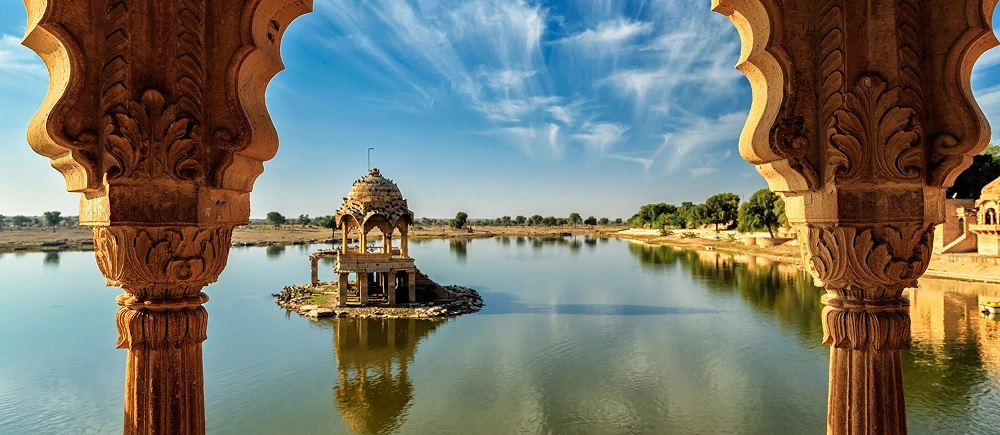
Renowned for floating reed islands and thriving aquatic life, this lake is enveloped by temples of Hindu, Buddhist, and Sikh faiths. This spot is ideal for spiritual seekers and nature lovers. • Best Time to Visit: All year • Highlights: Boating, floating islands, temple visits, photography
Pandoh Dam
A man-made wonder on the Beas River, Pandoh Dam offers breathtaking views of mountains and verdant valleys. A hotspot for photography and short excursions. • Best Time to Visit: All year • Highlights: Scenic views, photography, and engineering marvel
Temples of Mandi
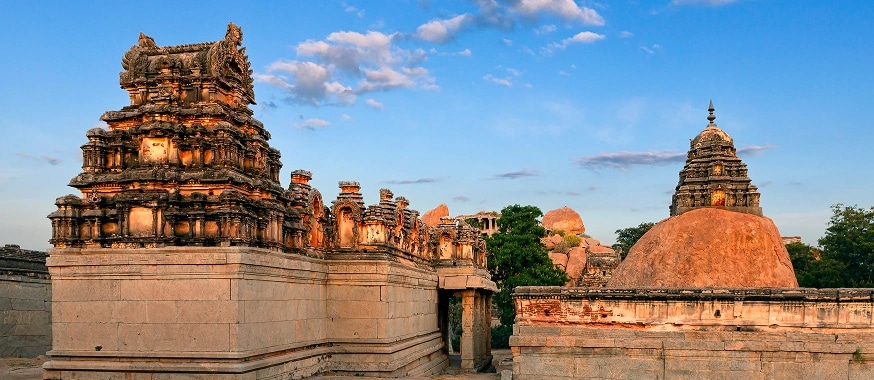
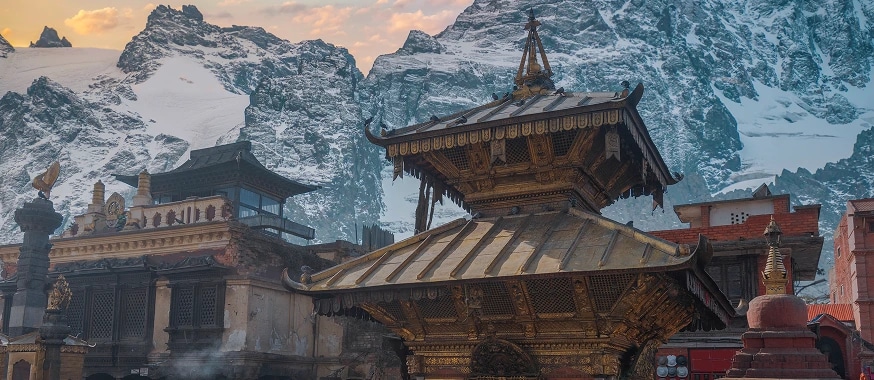
Mandi is home to many historic and spiritual temples, including Bhootnath Temple, Triloknath Temple, Panchvaktra Temple, Shikari Devi Temple, Mata Shyama Kali Temple, and Bhimakali Temple. Every temple showcase the town’s architectural and spiritual heritage. • Highlights: Spiritual significance, festivals, architecture, cultural immersion
Top Things to Do in Mandi
Temple Tours and Pilgrimage
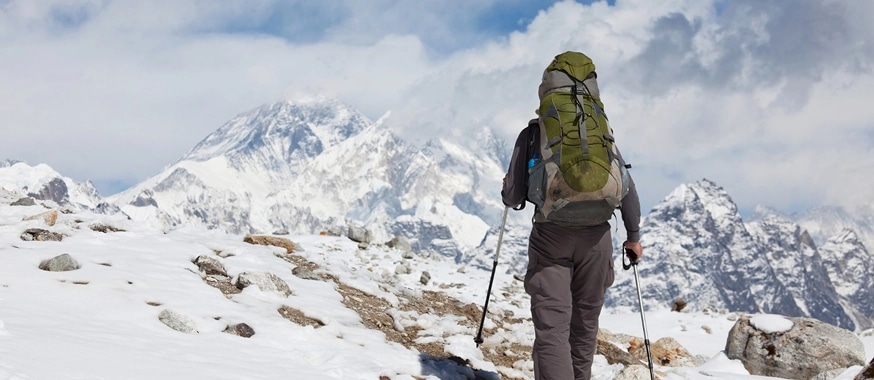
Trekking at Jalori Pass and Barot
Boating at Rewalsar Lake
Nature Walks and Photography
Local Handicraft Shopping
How To Reach Mandi?
The nearest airport to Mandi is Bhuntar Airport, also called as Kullu-Manali Airport. It is about 140 km away. The airport has frequent flights from Delhi, Chandigarh, and other major cities in India. From the airport, tourists can either hire taxis, private cabs, or shared jeeps to get to Mandi. The road journey offers beautiful views of the Beas River, pine forests, and mountain valleys.
The nearest junction is Joginder Nagar Railway Station. It connects Mandi to the larger Indian Railways network. For better access, travelers often use Chandigarh Railway Station or Kalka Railway Station as entry points.
Mandi is linked by national and state highways from Shimla, Chandigarh, Pathankot, and Delhi. The main highway connecting Mandi is NH-21 (Chandigarh–Manali Highway) Travelers can choose state-run buses, private bus, taxis or self-driving cars
Important Travel Tips For Mandi
Best Time To Visit Mandi
Peak Season
The best time to explore Mandi is from March to June, when the weather is gentle with temperatures ranging from 15°C to 30°C, and suitable for sightseeing, temple visits, and trekking at spots like Jalori Pass and Barot. This period is the best for outdoor photography, nature walks, and cultural exploration.
Shoulder Season
From September to November, Mandi experiences cooler temperatures from 12°C to 25°C, and limited tourists. The skies are clear, making it an ideal time for trekking, wildlife spotting, and capturing panoramic views of the Shivalik and Dhauladhar ranges. This season provides tourist a peaceful experience for travelers wishing to avoid crowds while enjoying natural beauty.
Winter Season
During December to February, the temperatures drop to 5°C–18°C. Mandi can be cold, especially at high-altitude locations like Jalori Pass. This region may experience snowfall, creating beautiful landscapes but requiring warm clothing. Tourist should carry heavy woolens, gloves, and caps to stay warm while exploring temples, trekking trails, and lakes.
Clothing Recommendations
- Peak Season (March–June): Light cotton clothing for daytime comfortable walking shoes, and jackets or light sweaters for cooler mornings and evenings.
• Shoulder Season (September–November): Layered clothing, trekking shoes, and rain protection gear if traveling during occasional showers.
• Winter (December–February): Thick woollens, insulated jackets, gloves, caps, and sturdy shoes for trekking or snow-covered areas.
Things To Know Before Visiting Mandi
- Respect Local Customs: Mandi is renowned for its abundant ancient temples and religious landmarks. Tourists must dress modestly before entering sacred areas, and should observe temple etiquette.
- Carry Cash: Mandi town and nearby tourist areas have ATMs and accept card payments. But remote areas like Barot, Jalori Pass, and some villages may have limited or no banking facilities. It’s better to carry enough cash for local markets, tiny eateries, and transport.
- Book Accommodations Early: Mandi invites many tourists during festivals, peak season (March to June), and weekends. It is suggested to book hotels, guesthouses, or homestays in advance to avoid last-minute hassles.
- Mobile Connectivity: Cellular networks work well in Mandi city and nearby towns. But in remote villages, mountain passes, and forested regions may have weak or no signal. Bring offline maps and GPS-enabled devices.
FAQs
Popular Tour Packages
Most booked holidays, hand-picked by our travellers