
Kangra Tourism
About Kangra
Kangra is a district where history, culture, and nature meet.
- History of Kangra: With over 85 temples which belongs to the 7th to 19th centuries, Kangra reflects the architectural beauty and spiritual legacy of the area. Kangra Fort and Masroor rock-cut temples are ancient landmarks that recalls stories of kings, battles, and devotion.
- Culture of Kangra: The district is an abode to vibrant Hindu and Buddhist communities. Festivals, fairs, and local rituals reflects Kangra's rich traditions, while Tibetan settlements in McLeod Ganj enhances a spiritual touch.
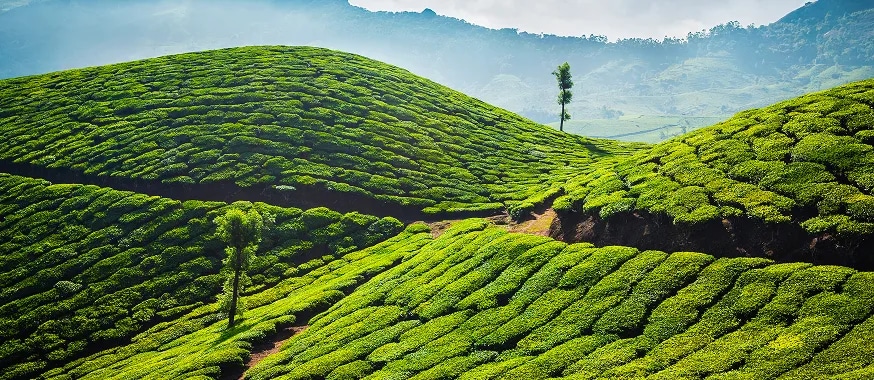
- Geographical Features of Kangra: enchanted by the Dhauladhar Mountains and bestowed with rivers like Beas, Baner, and Majhi, Kangra provides beautiful landscapes with tea estates, pine forests, and stunning waterfalls.
- Why Visit Kangra: Nature and history lovers, adventure seekers, and spiritual travelers will all find something special in Kangra. Tourists can enjoy activities like Trekking, paragliding, temple visits, and a thriving cultural experiences transform Kangra into an ideal hill destination for every kind of travelers.
Quick Facts & Information About Kangra
Population
1.5 million @ 2011.
Best time to Visit
March - June & Sep - Feb
Famous For:
Kangra Fort, Baijnath Temple, Palampur tea estates, Bir Billing paragliding, Dharamshala monasteries
Top Tourist Places to Visit in Kangra
Kangra Fort
One of India’s largest and oldest forts, Kangra Fort situated atop a hill, offering stunning views of the Kangra Valley. Its ancient walls and majestic gateways, and bastions showcase centuries of heritage and regal legacy. Highlights: Historic architecture, scenic views, photography Best Time to Visit - March to June, September to February
Baijnath Temple
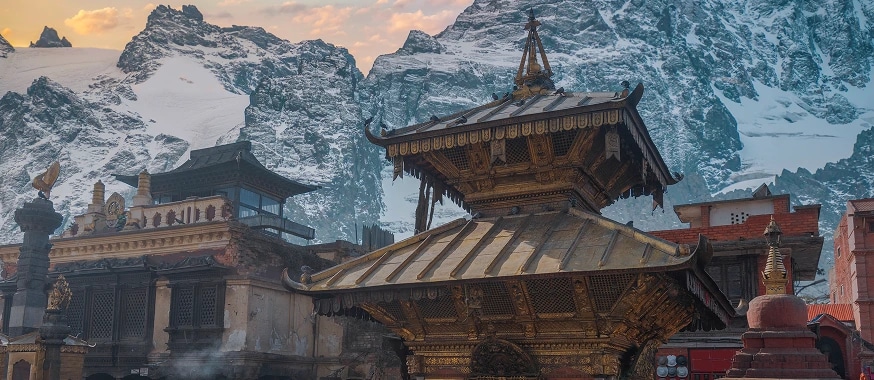
A historic Shiva temple thought to have healing powers, Baijnath Temple is popular for its ornate carvings and spiritual ambiance. The temple becomes vibrant especially during Navratri. Highlights: Religious significance, cultural experience Best Time to Visit - Year-round, peak during Navratri
Masroor Rock-Cut Temple
A monolithic temple complex sculpted from a single rock, reflecting exquisite Nagara-style architecture. The tranquil surroundings and unique complex make it a must-visit. Highlights: Rock architecture, spiritual ambience Best Time to Visit Kangra: March to June, September to February
Bir Billing
Globally well-known for paragliding, Bir Billing is ideal for adventure lovers who can also enjoy breathtaking views of the Kangra Valley and Dhauladhar mountains. Highlights: Paragliding, Himalayan valley views Best Time to Visit Kangra: September to November, March to June Cost: ₹2,500–₹3,500 per person
Dharamshala & McLeod Ganj
Spiritual hubs featuring Tibetan monasteries, local markets, and the abode of His Holiness the Dalai Lama. Triund trek offers panoramic Himalayan views. Highlights: Monastery visits, trekking, Tibetan culture Best Time to Visit Kangra: March to June, September to February
Bhagsu Waterfall
A beautiful waterfall nearby McLeod Ganj, ideal for picnics, short treks, and photography. Highlights: Refreshing nature experience, scenic views Best Time to Visit Kangra: Year-round
Kangra Art Museum
Features Kangra miniature paintings, royal jewellery, and traditional crafts. Perfect for art enthusiasts and those interested in the region’s cultural heritage. Highlights: Cultural heritage, art appreciation Best Time to Visit Kangra: Year-round
Top Things to Do in Kangra
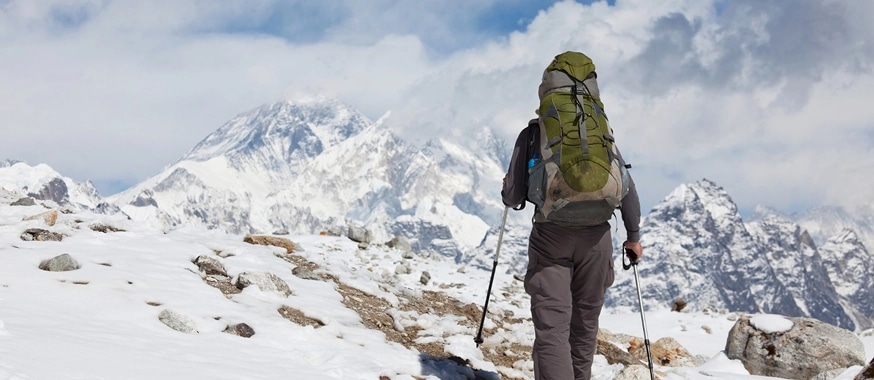
Trekking & Hill Station Tours
Paragliding at Bir Billing
Temple Visits
Tea Estate Tours
Kangra Tourist Attractions
View All
How To Reach Kangra?
The nearest airport to Kangra is Gaggal Airport, also known as Dharamshala Airport. It is about 20 km from Kangra city. This airport links to major Indian cities like Delhi, Chandigarh, and Mumbai through regular domestic flights. From the airport, tourists can hire taxis or cabs vehicles to reach get to Kangra city.
Pathankot Railway Station is around 85 km from Kangra. It connects cities in India like Delhi, Chandigarh, and Jammu. From Pathankot, travelers can take buses, taxis, or hire private cabs to reach Kangra city.
Kangra has good link through a network of national and state highways, including NH-154 and NH-503. Tourists from cities like Shimla, Chandigarh, and Delhi can drive comfortably to Kangra on well-kept roads. State-run and private buses operate often from nearby cities. The journey is particularly scenic, featuring winding mountain roads, lush valleys, and tea gardens.
Important Travel Tips For Kangra
Best Time To Visit Kangra
Peak Season:
The best time to visit Kangra is from March to June and September to February. The weather is pleasant with temperature ranging from 15°C to 25°C and ideal for sightseeing and trekking in the Palampur hills, paragliding at Bir Billing, and exploring spiritual sites. Evenings can get a bit chilly.
Shoulder Season:
March and September are mid-seasons welcoming fewer tourists, enabling peaceful experience in Kangra Valley, hill stations, and scenic tea gardens. The temperatures is comfortable, making it ideal for photography and outdoor activities.
Monsoon Season:
In July and August, Kangra experiences heavy rainfall rejuvenating valley, waterfalls, and forests, ideal for nature photography. But trekking and outdoor activities may not be advisable due to slippery trails and unpredictable weather. This season is the best for budget travelers as they can relish lower accommodation prices.
Winter season:
Winter in Kangra turns the valley into a calm place shrouded in mist and cool mountain air. The Dhauladhar peaks sparkle with fresh snow, creating a stunning backdrop for visitors. Days are crisp and pleasant, while nights can become chilly, ideal for cozy stays by a fire.
Clothing Recommendations:
- Peak Season: Light cottons during the day, jackets or sweaters for cooler evenings, and comfortable shoes for trekking and sightseeing.
- Monsoon Season: Waterproof jackets, umbrellas, quick-dry clothing, and durable footwear for slippery paths.
- Winter Season (December-February): Warm jackets, woollens, gloves, and scarves to stay warm, especially in higher altitudes.
Things To Know Before Visiting Kangra
Respect Local Culture:
Kangra has ancient temples, monasteries, and Tibetan communities. Visitors should dress modestly and follow local customs and rituals.
Carry Cash:
Major towns like Dharamshala, McLeod Ganj, and Palampur have ATMs and take card payments, rural areas, local markets accept only cash. Bring sufficient cash for small purchases, guided tours, and local eateries.
Mobile Connectivity:
Mobile network coverage is reliable in famous tourist areas. But remote area, trekking trails and high-altitude viewpoints may have limited or no connectivity. Tourists must download offline maps or GPS devices.
Plan Your Trip in Advance:
During peak tourist seasons, accommodations and guided tours can get booked quickly. Early booking ensures you have a place to stay at better rates, and access to preferred activities, whether it’s trekking, paragliding, or cultural tours.
FAQs
Popular Tour Packages
Most booked holidays, hand-picked by our travellers