

Kabini Dam
About Kabini Dam
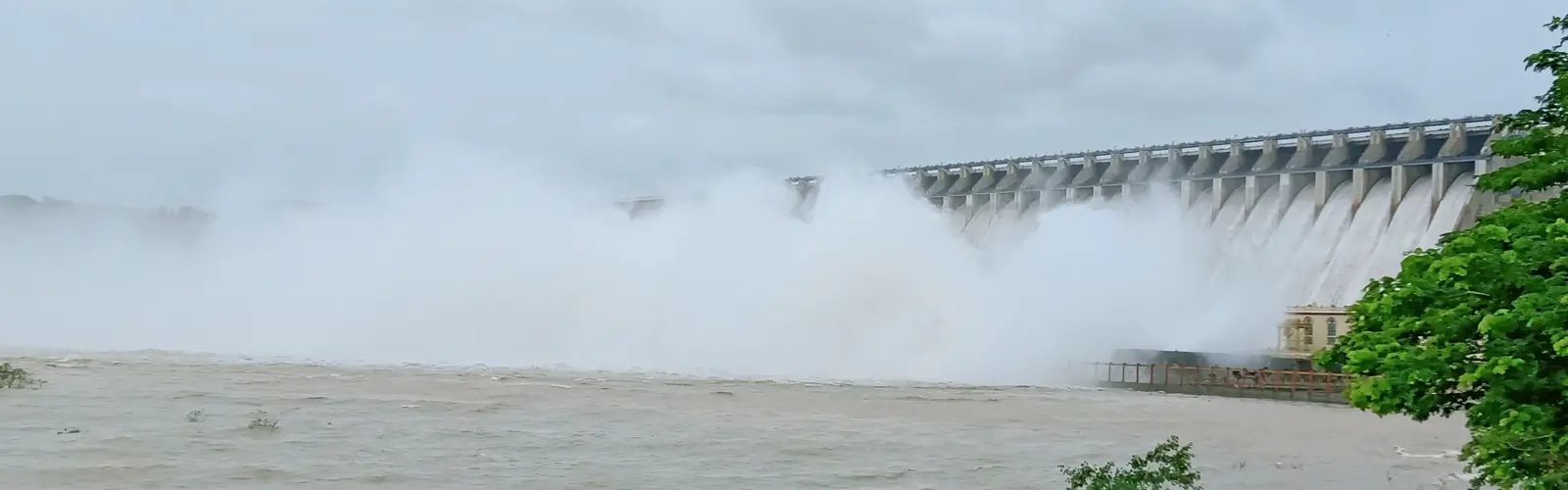
The Kabini Dam was built in 1974 on the Kabini River. It provides water for irrigation, drinking, and hydroelectric power across Mysuru and nearby districts. Over the decades, it has become the main highlight of Kabini Dam tourism, known for its tranquil waters, lush forests, and proximity to the iconic Nagarhole National Park.
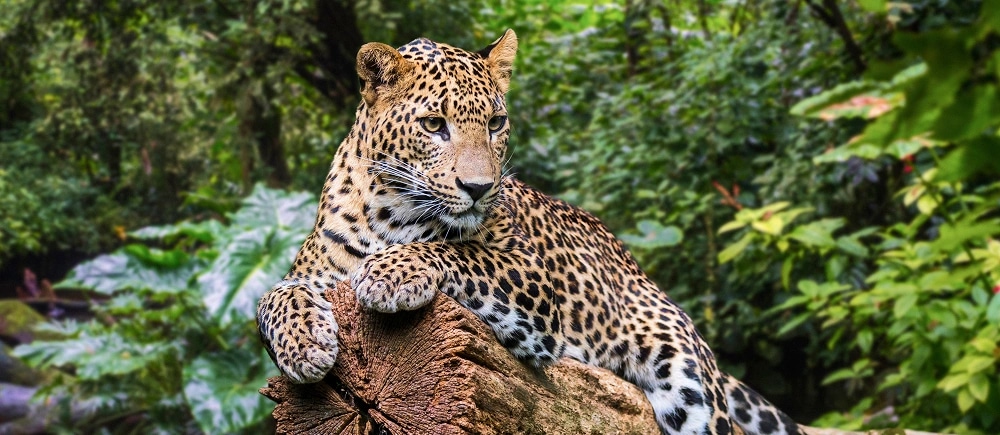
The Kabini region has developed a rich ecological identity, home to elephants, tigers, leopards, and more than 250 species of birds. Traditional festivals like Dussehra are joyfully celebrated by the local inhabitants, with the surrounding villages reflecting the essence of rural Karnataka. The dam itself is an economic mainstay for agriculture and forest-based livelihoods in the area.
Visitors love Kabini for its blend of pristine landscapes, wildlife experiences, and peaceful lakeside retreats. Whether it is exploring nearby attractions or seeking offbeat experiences, Kabini is an unforgettable destination.
Attractions Near Kabini Dam
This section highlights the best places to visit in Kabini Dam, covering natural, cultural, and wildlife destinations. These top attractions in Kabini Dam offer a perfect blend of calm and adventure.
Kabini Backwaters
The most iconic attraction, the Kabini Backwaters, has sweeping views, vibrant birdlife, and dramatic sunsets.
Famous For: Birdwatching, landscape photography
Best Time to Visit: November–May
Entry Fee: None
Kabini Wildlife Sanctuary
Adjacent to the dam, this lush sanctuary forms part of the larger Nagarhole Tiger Reserve. Safaris through the wildlife provide sightings of elephants, leopards, wild dogs, and, at times, tigers.
Famous For: Wildlife safaris
Best Time to Visit: October–April
Entry Fee: Approx. Rs400–Rs600 per person (varies by zone)
Nagarhole National Park
A UNESCO World Heritage–listed reserve, Nagarhole is one of India's finest tiger habitats. It features dense forests, tranquil streams, and abundant wildlife.
Famous For: Tiger safaris, forest drives
Best Time to Visit: October–May
Entry Fee: Rs350–Rs500 per person (jeep safari additional)
Kabini River Boating Point
Visitors can enjoy serene boat cruises on the Kabini River, viewing crocodiles, otters, and diverse bird species.
Famous For: Wildlife views from the water
Best Time to Visit: December–May
Entry Fee: Rs200–Rs300 per person
Beechanahalli Reservoir Viewpoint
One of the top attractions in Kabini Dam, this viewpoint offers a full panorama of the reservoir and distant hill ranges.
Famous For: Wide-angle photography
Best Time to Visit: Sunrise/ sunset hours
Entry Fee: None
Tribal Village Experience
Visitors can explore the rich culture of local tribal communities such as the Jenu Kuruba, known for their distinct heritage and forest skills.
Famous For: Culture and heritage
Best Time to Visit: October–March
Entry Fee: Activity-based (Rs100–Rs200)
Activities at Kabini Dam
This section covers the best adventure and leisure activities to include in your Kabini Dam travel package.
Wildlife Safari
Explore the wildlife-rich forests of Nagarhole in an open jeep.
Famous For: Tigers, leopards, elephants
Best Time: October–May
Entry Fee: Rs1, 800–Rs2, 500 (jeep safari)
Boat Safari
A unique safari along the river where animals arrive at the banks to drink water.
Famous For: Elephant herds, crocodiles, birdlife
Best Time: December–May
Entry Fee: Rs600–Rs900
Guided Nature Walks
Walk along forest trails to spot flora and smaller wildlife.
Famous For: Close connection with nature
Best Time: Early mornings
Entry Fee: Rs300–Rs500
Photography Tours
The dam and surrounding landscape offer perfect compositions of wildlife and scenic views.
Famous For: Sunset shots, wildlife frames
Best Time: November–April
Entry Fee: None (guided tours extra)
Birdwatching
A paradise for bird lovers with more than 250 recorded species.
Famous For: Water birds and rare sightings
Best Time: November–March
Entry Fee: Free
Camping Near the Backwaters
Some operators offer safe, guided camping experiences.
Famous For: Night sky views
Best Time: December–March
Entry Fee: Package-based
Village Trails
Explore rural Karnataka’s culture through guided visits.
Famous For: Tribal heritage
Best Time: October–February
Entry Fee: Rs150–Rs250
Best Time to Visit Kabini Dam
The best time to visit Kabini Dam is from October to May, when the weather is pleasant and wildlife sightings are at their peak.
- Peak Season (Oct–Feb): Cool weather, great for safaris and boat rides; expect moderate crowds.
- Shoulder Season (March–May): Hotter climate, but excellent for spotting wildlife near water sources.
- Off Season (June–September): Heavy rains, lush scenery, best for budget travellers; some activities may be limited.
Month-wise Overview:
- Oct–Dec: 20–28°C, green landscapes
- Jan–March: 22–32°C, best safaris
- April–May: 28–36°C, high wildlife visibility
- Jun–Sep: Monsoon, cooler temperatures, limited safaris
Clothing Tips:
Light cotton wear, sun protection, comfortable walking shoes, and light jackets in winter mornings.
How to Reach Kabini Dam
By Air:
The nearest airport is Mysuru Airport (70 km); Bengaluru International Airport is 220 km away.
By Train:
The closest major railway station is Mysuru Junction, well-connected to all major Indian cities.
By Road:
Kabini has excellent road connectivity from Mysuru, Wayanad, Coorg, and Bengaluru. Taxis and private buses operate frequently.
FAQs — Kabini Dam
Popular Tour Packages
Most booked holidays, hand-picked by our travellers