No.4, Annai Avenue, Vasanth Nagar EXTN,
Srirangam, Trichy, Tamil Nadu ,620006.
CIN: U31100TN2010PTC078389
DUNS Number: 859496557


To immerse your taste buds in the countryside cuisine where you will find master cooks in traditional wears, celebrate the silence of the farms, interact with the English speaking locals, indulge in cultural fests, and pursue the beauty of the Tamil’s country life, enter into the hoods of these hospitable hamlets without hesitation in Tamilnadu.
Village tourism in Tamil Nadu offers travelers a unique opportunity to experience traditions that have been sustained for many generations. While the cities mirror rapid modernization, a Tamil Nadu village reflects an unhurried and more harmonious rhythm of life linked closely to nature, community, and heritage. Visitors can witness the lush farmlands, traditional homes, and age-old temples that endures to shape the daily life. One of the key reasons rural tourism captivates visitors is its authenticity. In most of the villages in Tamil Nadu India, traditions are not carried out just for visitors but stay as a significant part of everyday living. Farming practices, temple traditions, handicrafts, and culinary customs endure to follow the ancient methods passed down through generations, offering travelers a profound understanding of local traditions.
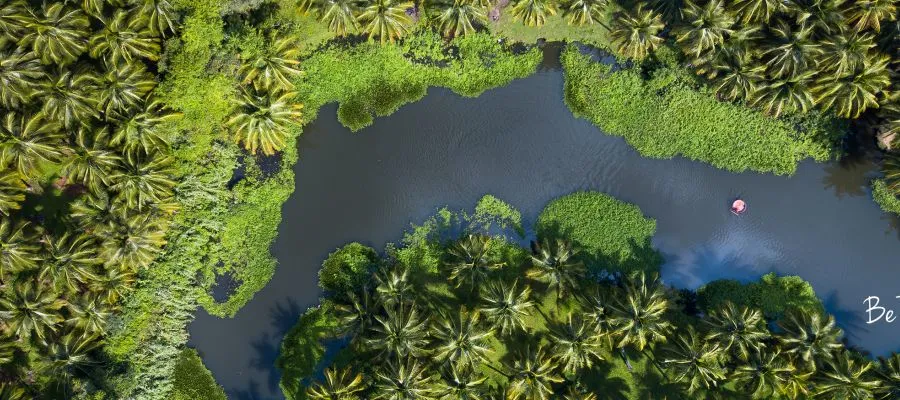
Another highlight of village tourism is the close knit community. In a traditional culture village, residents together celebrate vibrant festivals and maintain a strong social ties, often welcoming travelers with warm hospitality. Visitors can also partake in cultural activities that reflects the daily rhythm of village life. These scenic landscapes, teemed with coconut groves, irrigation tanks, and majestic temple towers, make them some of the beautiful villages in India. Exploring such villages to visit enables travelers to experience the true essence of Tamil Nadu culture while promoting sustainable rural tourism that benefits local communities and sustain traditional livelihoods.
The architectural heritage existing in the villages of Tamil Nadu mirrors a unique meld of artistry, practicality and tradition. Each Tamil Nadu village reflect centuries of ecological adaptation and traditional values that endure to influence the village life. Traditional homes in majority of the villages in Tamil Nadu, India are constructed using locally sourced materials like lime plaster, clay, stone, and timber. These structures are designed in a way to withstand the tropical climate, with dense walls that ensures to keep the interiors cool, sloping tiled roofs that resists heavy monsoon rains, and expansive courtyards that allow natural ventilation and support large family gatherings.
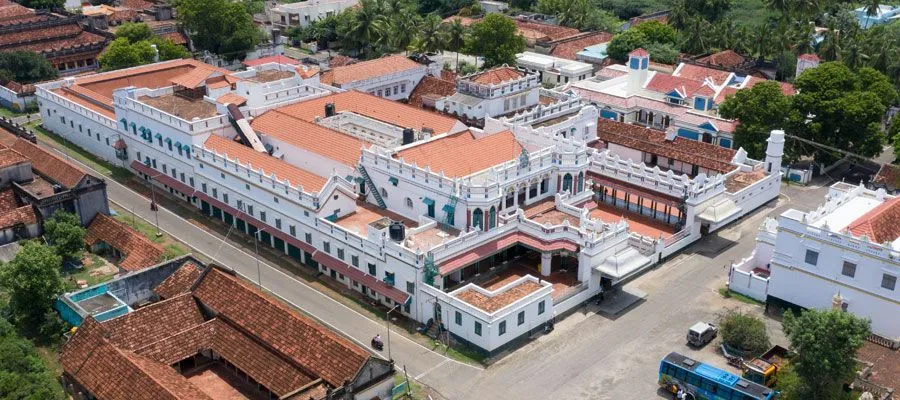
The main temple complex is often the heart of a culture village. Temples remain not only as center of worship but also as community spaces where vibrant festivals, cultural events, and community gatherings occur. The surrounding streets are generally teemed with traditional houses, forming visually balanced settlements that retain their historic charm
Several villages also highlight historic mansions, irrigation tanks, and granaries that spotlight the engineering brilliance of the ancient communities. Travelers who are very fond of village tourism often admire these settlements for their eco-friendly architectural design and cultural depth. These landscapes enhance the charm the beautiful villages in India and remain among the most remarkable villages to visit for those aiming to explore and understand Tamil Nadu culture.
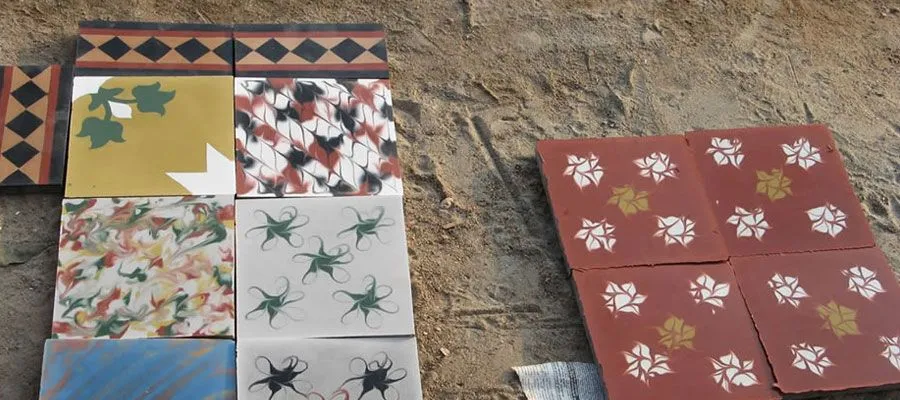
Located in the Trichy-Rameshwaram Highway, Karaikudi is the pivotal point of the surrounding hamlets bestowed with the effervescence of a beautiful lifestyle. “Chettinad” or “Vaisyas” or the merchant clan of Tamilnadu are referred to as “Chettiyars”. The architectural brilliance in their eco-friendly homes keeps the palatial mansions cool in summers too. The artistic pillars, Italian Marbles, Burmese Teakwood, Belgium Mirrors, and Spanish Floor, and Athangudi Tiles pose a classic sight. These mansions near Kanadukaathan render a bucolic feel. The heritage town of Tamilnadu venturing vast-ventilated mansions offers bountiful cuisine to dine too. The Chettinad chicken dish and associated superabundant gravy create a spicy aroma to the taste-thirsty tongue. Several niche mansions offer special cooking classes. On the other hand, regional cotton saris and fabrics are affordable picks.
The famous Pillayarpatti temple at a distance of 12 km from Karaikudi, sepia-shaded photographs hanging on the murals and Thirumayam Fort built in the 17th century are the living cultural halcyon of the spice-scented village. Sites like “Ayiram Jannal Veedu” or “The House of 1000 Windows”, Periyaveedu in Aathangudi, Pallathur, Kothamangalam, and Devakottai villages within the 50 km radius of Karaikudi, and Chellapa Chettiyaar’s house in Kottiayur should be in your must-visit checklist. Look out for the huge keys and approach Sandhai (market) on Mondays and Thursdays for a wholesome Chettinad escapade.
The capable administration of the Chola dynasty had made Tanjore’s irrigation system suitable for cultivation. The alluvial soils of the southern ingot with its numerous canals make vegetation look effortless. Cholas gifted the Brihadeeswarar Temple while Nayaks presented the Tanjore paintings. The deep roots of Barathanatyam, bygone music and oeuvre of art gift tourists an amalgamated culture. The “shadow mystery” surrounding the 1000-year-old Big temple, the unbelievable yet true daring tales of Raja Raja Cholan and Rajendra Cholan defeating kingdoms, their vast empire, cavalry units, thousands of war elephants, and utmost loyalty in administration bless the terra of Tanjore.
Tidbit: The temple contains 130,000 tonnes of granite stones but there is no granite quarry within the 100 km circumference.
Thanjavur, also known as the ‘Rice Bowl of India’, is located on the deltaic region of the Cauvery River. While agriculture is still holds a prominent place in the economy of this historical town, a visit to its countryside reveals much more The cultural renaissance of the Tamil family is best studied in Tanjore. The contribution of Cholas in constructing temples, ports, dams, the germination of art, music, and dance had made the milieu conducive for growing crops, studying arts and literature, creating paints and clay dolls. The dawdling meadows, farmers with their cattle, “Agragarams” of Brahmins which are slowly replaced by our Muslim brothers, sludgy roads, handmade idols, and dolls, and bronze statues create euphoric waves one after another. This must-visit rural town also connects “Thiruvaiyar” where “Thyagaraja Aradhana” is conducted.
Art and craftsmanship are intricately integrated into the everyday life in a Tamil nadu village. In rural communities, artistic traditions are not limited to galleries but flourish through everyday activities, vibrant festivals, and significant rituals in the temples. These creative expressions mirror the rich heritage of Tamil nadu culture and captivate travelers seeking the true essence of Tamil Nadu’s cultural experiences.
Majority of the villages in Tamil Nadu, India are renowned for their expertly created crafts that have been sustained through generations of proficient artisans. Families pass down their mastery through hands-on learning, assuring that age-old techniques endure to thrive. Crafts like pottery, bronze sculpture, weaving, and wood carving uphold both historical significance and cultural symbolism.
Temple-focused life also plays an important role in preserving these traditions. In a typical culture village, the temple remain as the social and spiritual hub of the community. Festivals unites musicians, artisans and performers who exhibit their talents through devotional music, dance, and intricate kolam designs.
Travelers who are fond of village tourism, these communities offer the chance to see artisans at work and experience active traditions firsthand. Such expressive artistry adds to the appeal of the beautiful villages in India, making them alluring villages to visit while supporting sustainable rural tourism that helps sustain traditional occupations.
Get ready to witness the sensational Hindu mythology visiting the Murugan temple in this serene village. You can see the iconic statue of Lord Murugan explaining Lord Shiva about the meaning of “Aum” sitting on his papa’s shoulder. The town is full of ancient temples, greenery, deers, and is also near to the famous Brihadeeswarar temple.
Women crafting magic in their “Rangolis” in the morning time, ancient bronze-making techniques, glittering rice fields, ruminating rivulets, and tranquil sunsets in the pristine milieu of Swamimalai give tourists an experience that needs to be penned immediately. Situated close to the holy town of Kumbakonam, traditional “Agraharam” style homes invite you with their threshold festooned with “Kolam”. As the epicenter of the forgotten wax-metal trade, it is retrieving an archaic tradition. Observe the complexity involved in creating embellished bronze statues. Meanwhile, adore the Darasuram temple built by the greatest rulers of India, Cholas. Saunter and organically explore one of the calmest hamlets in south India.
From its cardamom estates to glaucous lakes, Athoor is buried heaven awaiting tourists to get lost in its charm. This plastic-free zone invites tourists and makes them become inhabitants of Athoor. Many foreigners have become permanent residents due to their love for the serene environment and salubrious weather. The perennial outstretch of the cozy climate have ample room for growing mangoes, bananas, coconut and palm trees. Athoor bagged the cleanest village of Dindigul district award from the Tamilnadu Government for its promising efforts towards cleanliness.
Tidbit: The Sadayandi Cave Temple on “Aadi Amavasai”(The new moon of the Tamil month ‘Aadi’) attracts thousands of people for the Temple festival.
More than 160 bird species inhabit the territory, with 35 rare species. Swim in the monsoon-fed Kamarajar Sagar Dam and spot fishermen in coracles. The tropical nature of the area, along with moody weather, makes exploring Sadayandi Hill temple and the surrounding dam a must. Rustic mud roads lead tourists to resorts while responsible tourism is encouraged. An overnight stay in the picturesque wonderland of Dindigul Taluk relaxes your soul amidst its tranquility.
The paper pulp along with a clandestine mixture of adorning ingredients came to India due to the efforts of the notorious conqueror, Taimur. The interest displayed towards art and architecture by an egregious emperor is often astonishing but the locals believe this conflicting tale. Also, the way one stomps the clay plays a vital role in the making of dolls, mythological characters, and innovative dolls. However, Vilachery is not just a pack of devoted artisans inventing different characters with mud but dedicated craftsmanship at its purest and rawest form.
Exploring a Tamil Nadu village offers travelers an immense opportunity to experience its authentic traditions, breathtaking landscapes, and the generous rural hospitality. A thoughtfully planned village tour in Tamil Nadu enables visitors to fully appreciate the charm of villages in Tamil Nadu India and their rich heritage. With meticulously curated itineraries, Indian Panorama offers professionally guided village tours that connects travelers with some of the most captivating villages in Tamil Nadu to visit across the region while assuring a hassle-free travel experience.
A typical village tourism experience often includes making a visit to traditional homes, artisan workshops, age-old temples, and surrounding agricultural landscapes. Visitors can also partake in cultural activities like local cooking demonstrations, sessions in craft-making and exciting village festivals. These engaging moments reveal the daily rhythm of life in a traditional culture village.
Through efficiently-organized tours, proficient guides, and meticulously planned cultural experiences, Indian Panorama helps travelers explore the true essence of Tamil Nadu culture while encouraging responsible rural tourism that benefits local communities. Exploring these beautiful villages in India offers travelers an memorable and an enriching cultural journey. If you fond of art, architecture, or traditional lifestyles, exploring the beautiful villages in India located in Tamil Nadu assures a rewarding and unforgettable travel experience.
Come and you will not want your holidays to end!
Your customized family, couple, and solo trips are just a click away! Reach us out anytime because we want you to explore our culture and heritage all the time and get to know the answers for the question “Why is India Incredible?”.
Share This News