




No.4, Annai Avenue, Vasanth Nagar EXTN,
Srirangam, Trichy, Tamil Nadu ,620006.
CIN: U31100TN2010PTC078389
DUNS Number: 859496557

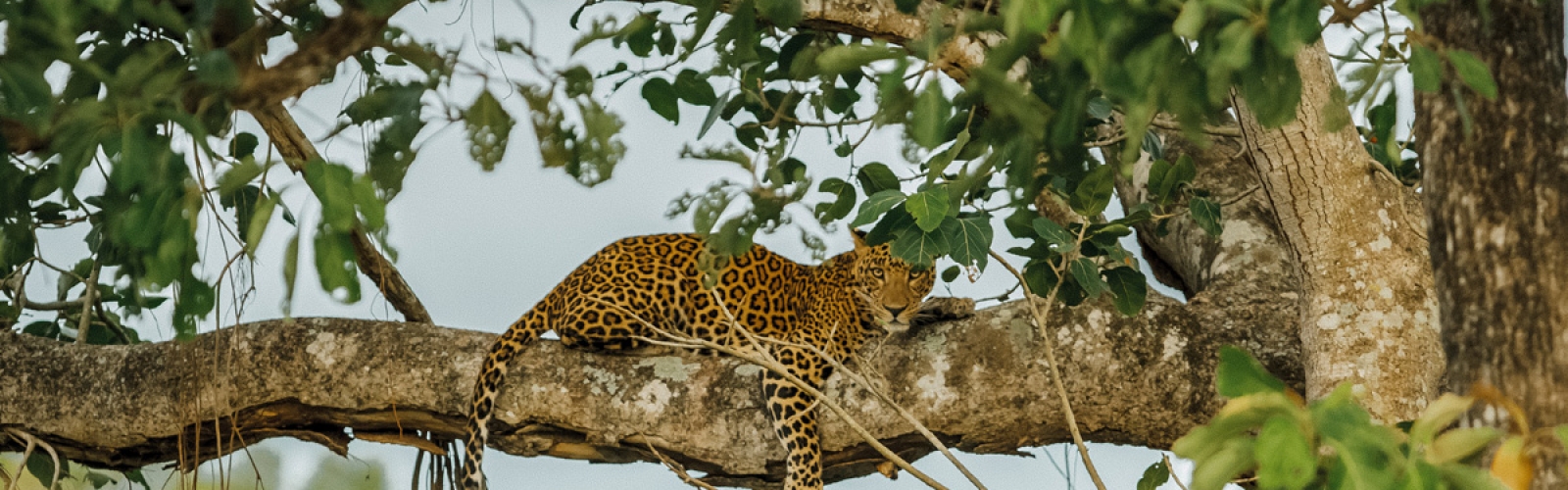
India is a home to many remarkable ecological variety, with national parks reflecting this natural wealth. These reserves serves as a safe haven for popular and rare wildlife like the Bengal tiger or the Asiatic lion, alongside many less visible mammals, birds, reptiles, and flora. Besides fauna, they reveal varied landscapes dense forest jungles melded with open savannahs, serene marshes combined with pristine rivers, and hazy mountain zones. Every park highlights distinct ecosystems, cultural roots, and accounts of successful conservation efforts.
Exploring India’s popular national parks isn’t just about encountering wild animals - it opens a door to experience the natural landscapes of India in a deeper way. Instead of simply chasing sightings, one can follow leopard trails in Karnataka forests, witness large groups of elephants in Kerala, or catch a glimpses of tigers deep inside Madhya Pradesh woodlands - each moment leaves an enduring impressions for nature lovers, wildlife photographers or curious visitors. While some quest for excitement, others want peace, even meaningful ties to wilderness; regardless, these protected areas stand out as unique stops across the country
Explore North India Wildlife Tour
Located among Himalayan foothills in Uttarakhand, Jim Corbett National Park stands as India's first protected reserve. Created in 1936, it is the most popular national park in India that ignited Project Tiger while shaping broader efforts in protecting animals. Its landscape varies spectacularly - open meadows alternate with dense sal woods, jagged slopes appear nearby water-rich zones formed by the Ramganga River. Because of this unique blend wildlife like elephants, leopards, various deer types flourish there; bird counts exceed 600 species. While often visited hoping to witness tigers, actual sightings remain rare because of its secretive habits. What makes this park unique lies in its vast wild areas - visitors experience deep engagement during game drives, where animal behaviours Reveal naturally, including more than just predators. As a starting point for beginners to Indian wildlife tourism, it offers a practical gateway into protected wildlife zones.
Bengal tigers are the significant attraction; the park also a home to dense Sal forests, open meadows and riverine areas. Elephants roam freely alongside other herbivores, while seasonal migratory birds bring the ecosystem to life. The park’s wildlife diversity is notable due to these species coexisting harmoniously.
Between November and June
Safari Insights Jeep and Canter safaris cover major zones like Dhikala, Bijrani, Jhirna, and Dhela. Morning and afternoon slots are available; advance booking is suggested.
Sightings Spot Bengal tigers, leopards, elephants, and Asiatic black bears. Herbivores like sambar, chital, wild boar, and gaur are frequently seen. Over 600 bird species, such as kingfishers, hornbills, and peafowl, make seasonal appearances.
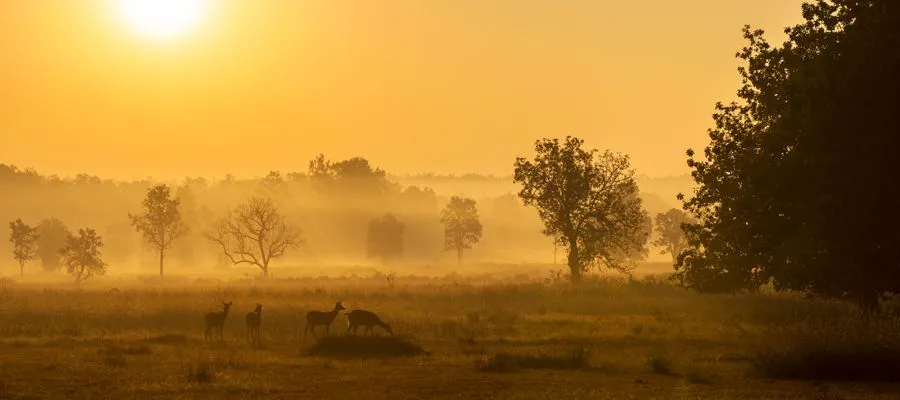
Kanha National Park is located in Madhya Pradesh - frequently seen as central India’s most stunning green space. Open Meadows, dense bamboo groves or tall sal woods shaped the backdrop for Kipling’s Jungle Book; this scenery still appears like a land from fairy tale today. The park earns praise due to strong wildlife conservation efforts, particularly saving the hard-ground barasingha - a unique deer nearly absent elsewhere across the globe. Grassy plains offer clear vistas of animals; meanwhile, wooded pathways let wildlife roam freely away from people. During dawn or dusk, guided tour usually in jeep safari offers the chance to frequently spot deer feeding calmly, peacocks strutting along tree borders, also predators emerging out of hiding.
Highlights - Open grasslands; dense sal woodlands. Tigers are often seen here. The uncommon barasingha deer lives in this area too - making it ecologically distinct.
Best time to visit - Between October and June; however, April through May offers better chances to see predators.
Safari Insights: Morning or evening jeep trips explore key areas such as Mukki, Kisli, Kanha, besides Sarhi. Routes shift regularly - helping wildlife protection while supporting sightseeing chances.
Sightings-
Tigers might catch your eye; also on view are leopards. Wild dogs appear frequently, while sloth bears show up less often. Gaur roam the area - these large bovines share space with the uncommon hard-ground barasingha deer. Bird diversity is high, adding depth to wildlife spotting.
Explore Madhya Pradesh Tiger Safari Tour Package
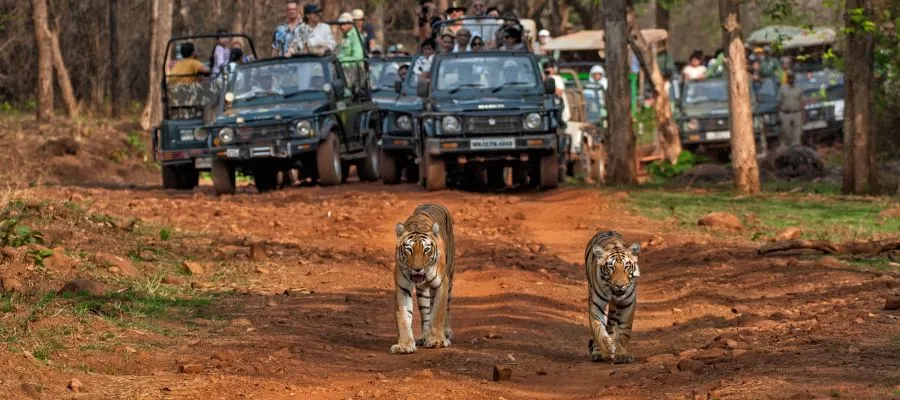
Bandhavgarh National Park, located in Madhya Pradesh, ranks among India's top spots for tiger populations. With its rugged wooded slopes and remnants of old structures, the landscape stands out across Indian reserves. Rising within this area is Bandhavgarh Fort - dating back more than two millennia - which anchors the region’s cultural legacy. Combining heritage with nature enriches the experience of the visitor. Bandhavgarh National Park safaris frequently reveal tigers relaxing by the rocky mounds or strolling openly along trails. The dense woodlands create Up-close wildlife encounters making animal appearances seem unexpected yet direct. Besides tigers, you’ll witness leopards, gaur, and sambar, together with numerous bird species here. Due to its small zone and frequent animal sightings, tourists short on time basically choose Bandhavgarh when seeking an efficient tiger-focused trip - popular across the globe.
High density of tigers compared to other Indian parks; old fortress remains scattered throughout. Safari areas are small, making wildlife sightings more frequent due to limited space. Historical structures add context to the natural environment, offering layered visitor experiences across terrain.
Best time to visit - October through June is ideal; however, summer tends to provide higher odds for sightings.
Safari Insights: In Tala, Magadhi, or Khitauli, jeep tours run under strict vehicle limits each session - this helps reduce congestion. Of these areas, visitors favour Tala most.
Tigers may appear alongside leopards in open woodland areas. Sloth bears are sometimes spotted near rocky zones. Sambar deer tend to stay close to water sources. Wild boar often move through disturbed habitats. Bird diversity increases around light-flooded patches in forests.
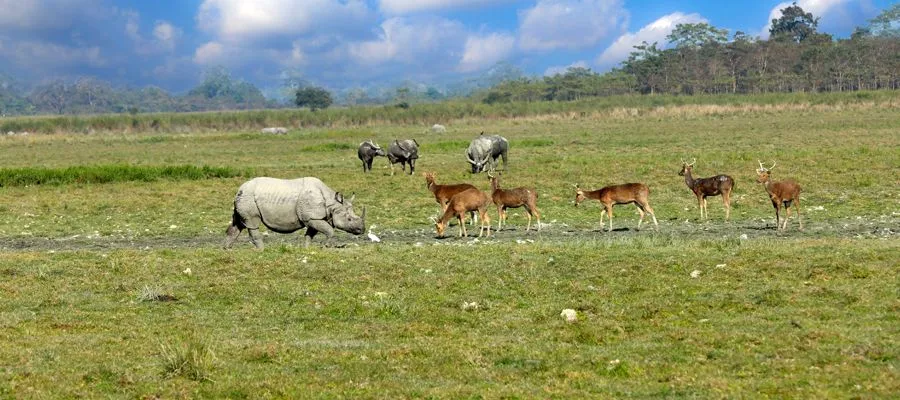
Kaziranga National Park, situated in Assam, stands out as a successful preservation effort known worldwide. Designated a UNESCO World Heritage Site, it hosts the largest group of one-horned rhinos on Earth - while also being a safe haven to wild water buffalo, swamp deer, elephants, and tigers. Shaped by annual flows from the Brahmaputra River, its floodplain highlights high grasslands, marshes, together with temporary wet areas. Because of this unique environment, huge animals gather here in high numbers, so visitors often spot different species during visits. The terrain offers a raw, open feel - as if untouched by human. Jeep safaris take visitors through open grasslands where rhinos roam freely; meanwhile, group elephants offers the best glimpses of animals at dawn. This is also a best spot for bird watching as migrating and local birds enrich the airspaces and marsh areas.
Highlights -
One-horned rhinos found here are floodplain grasslands. Elephants live in this area - alongside seasonal bird visitors.
Best time to visit between November and April -
Safari Insights: Jeep tours cover four major zones; meanwhile, dawn safari rides operate in limited spots to get near animals.
Sightings - Spot one-horned rhinos, along with wild water buffalo; also elephants appear here. Swamp deer live nearby, whereas hog deer are seen less often. Migratory birds arrive seasonally - tigers sometimes show up too.
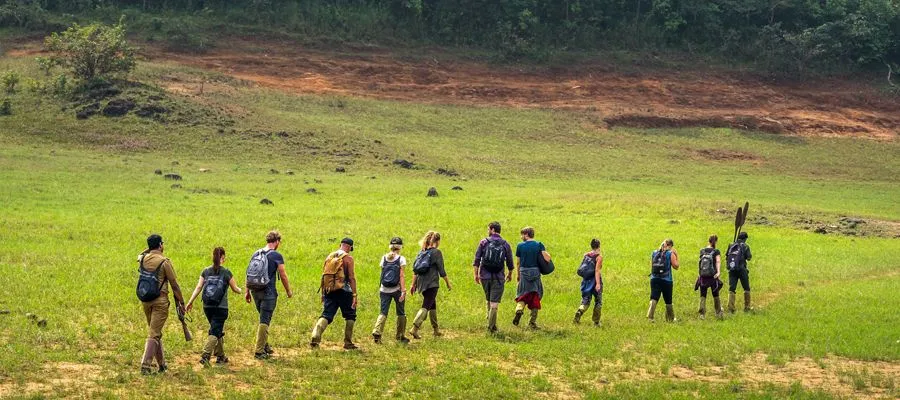
Periyar National Park is located in Kerala’s Western Ghats, differing sharply from central India’s arid woodlands. Centered on the stunning Periyar Lake, it highlights dense vegetation, fog-draped slopes, and serene setting. Instead of jeeps, tours here rely on boats - offering glimpse of animals near the tree-lined banks. Visitors often witness elephants cooling off or feeding near the river banks meanwhile, sambar deer, wild pigs, and various birds flourish throughout. Despite few tiger encounters, Periyar invites visitors through immersive engagement with nature. Being a protected area in India, it supports wildlife protection; emphasizes sustainable tourism - while including local people in its efforts. It offers structured forest hikes, together with mindful travel choices.
Highlights -
Scenic lake tours are very unique here. Meanwhile, the green Western Ghats offer deep forest views. It is the best spot to witness elephants roaming and bird species thriving alongside them.
Best time to visit - Visit between October and May for ideal conditions.
Safari Details: Boat trips across Periyar Lake attract visitors; these are supported by ranger-led forest walks or tranquil eco-paths in surrounding areas.
Sightings - Spot Asian elephants alongside sambar deer; wild boar appear too, followed by otters. Malabar giant squirrels live here - also countless bird types plus butterfly species mix in across habitats.
Nagarhole National Park, which is known by the name Rajiv Gandhi National Park is located in Karnataka near the Kabini River catchment area. Connected to the expansive Nilgiri Biosphere Reserve, it holds some of the densest biodiversity across southern India. Its terrain features wet deciduous woods, patches of teak trees, open meadows, alongside riverbank habitats. During dry seasons animals gather at the Kabini reservoir, where big elephant groups appear every year. Leopards show up frequently regularly when compared to other protected areas in the north. Tigers, wild dogs and different species of birds enrich its appeal. Exploring Nagarhole by safari is Once-in-a-lifetime experience where the lush green opens abruptly into open spaces where creatures emerge freely.
Highlights - Nagarhole stands out for its seamless transition from thick forest to open Kabini landscapes, creating natural corridors where elephants, leopards, and other wild animals roam with remarkable visibility and regularity.
Best time to visit - October to May is ideal but visiting during from February to April allows to encounter animals as they gather around in search of water sources then due to dry conditions
Safari Insights: Jeep tours, operate by the forest authority, cover woodland areas together with rivers close to Kabini - timed entries and fixed paths apply.
Sightings - Spot leopards or tigers, alongside Asian elephants; also witness gaur, wild dogs, various deer, while birds appear by lakes and rivers depending on the season.
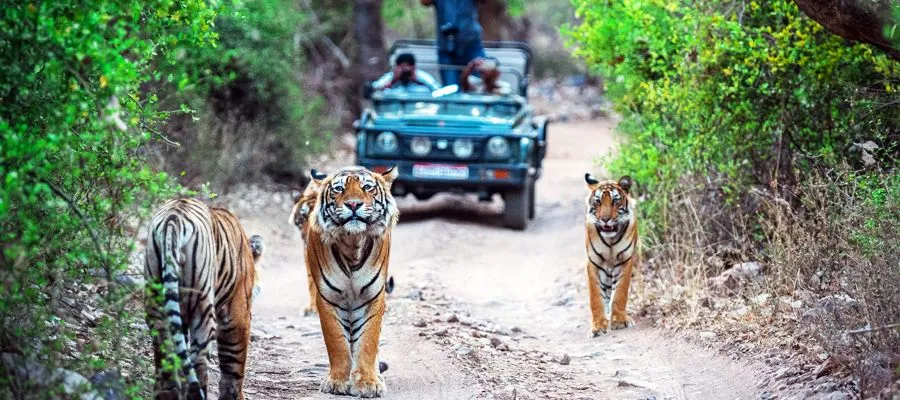
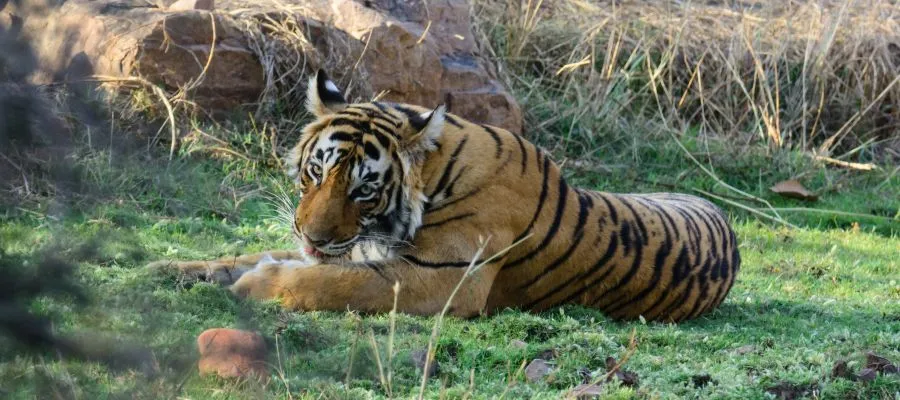
Ranthambore National Park in India stands out as a popular tiger reserve in India. Located in Rajasthan, it blends arid forest with rugged terrain, water bodies, and ancient ruins -creating a dramatic setting for safaris. What sets Ranthambore National Park apart is how frequently tigers appear in view. Because the land is open and plants are thin, spotting them is often. Also, many tigers ignore jeeps due to habituation, which improves opportunities for high-quality images. Encountering tigers frequently occur around water bodies. The park highlights the stunning Ranthambore Fort, recognized by UNESCO, perched high over the treetops.
Highlights - Meadows where tigers appear, linked to water bodies; ancient fortress structures alongside striking natural scenery.
Best time to visit - October to June is ideal; but April and May give better chances to witness tigers.
Safari Details: Jeep or canter tours operate in different areas, assigned each day by park officials. One area may have forests while another are in an open grassland.
Sightings - Tigers might appear alongside leopards followed by sloth bears near the wetlands. Hyenas are spotted in open zones while marsh crocodiles stay nearby riverbanks while sambar deer roam through dense woods.
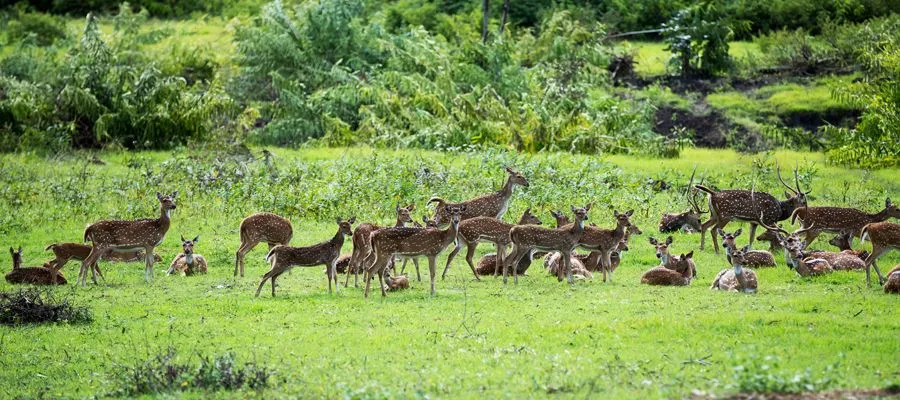
Bandipur National Park is located near the boundary of Karnataka and Tamil Nadu, forming part of the Nilgiri Biosphere Reserve. Once a significant place for royal hunts by rulers of Mysore, it has since become a strictly protected wildlife zone. Its landscape highlight gentle slopes enveloped in dry deciduous trees, melded with open medows. Visitors might witness wildlife like elephants, deer, wild oxen, sloth bears and also tigers which remains out of sight most of the times. Conservation practices are undertaken strictly in this region; tourist access is limited to minimize the cause of environmental impact. Night driving restrictions together with restricted tour paths support the stability of ecosystem. Where visitors seek an Indian tiger sanctuary focused on eco-friendly practices without missing diverse wildlife, Bandipur emerges as the best and fulfilling choice.
Highlights - Bandipur National Park highlights enduring protection approach. It is a popular spot to witness groups of elephants roaming and woodlands with seasonal leaf loss.
Best time to visit - October through May
Safari Insights- State-organized bus or jeep tours stay on the set forest paths - this helps minimize impact on wildlife environments.
Sightings - Elephants are spotted often. Chital are common too. Sambar roam these areas, while gaur appears less frequently. Sloth bears might be spotted from time to time. Leopards often leave signs but remain hidden.
The Sunderbans National Park located in West Bengal stands unique among from other reserves across India. This area carries the title of Earth’s biggest mangrove zone, hosting rare Royal Bengal Tigers that sustains amid the ebb and flow of nature. This region is defined by water- networks of streams, rivers, wetlands, and tree-covered islets make an ever-changing terrain. Visitors can explore Sunderbans National Park via boat rides through narrow passages where crocodiles, huge lizards, and numerous birds’ species live together. Tigers in the Sunderbans tend to remain hidden; still, people sense them strongly. Discovering that these wildlife traverse waters between islands while crossing salty environments adds a subtle intrigue to every trip
Highlights - Explore mangrove habitats and witness wildlife on boat trips. Some tigers here swim, a rare behavior seen in this region.
Best time to visit - November to March
Safari Details: On boat trips, waterways guide movement through narrow tunnels while pauses happen at viewpoints.
Sightings Royal Bengal tigers are rarely seen alongside saltwater crocodiles, fishing cats appear too. Spotted deer wander here, Water lizards glide through wetlands in a watchful, territorial way.
Sasan Gir National Park popularly known as the Gir National Park is located in Gujarat and it is the sole wild habitat of Asiatic lions on Earth. Nestled within Gujarat’s Dry forests this reserve remains as a major win for species protection undertaking. Its landscape highlights teak woods, bushy plains, and jagged slopes, together with streams nurturing wildlife like lions, leopards, hyenas, and swamp-sustaining crocodiles. In contrast to Africa’s meadows these big cats flourish in thick woodland settings, creating distinct wildlife encounters. Tour paths are strictly overseen. The park aids the Maldhari groups nearby where shared space with animals creates a social aspect to conservation efforts.
featuring savannah-like ecosystem Gir National Park is a home to Asiatic lions; notable conservation progress seen here. The forest remain intact despite dry conditions, showing endurance over time. Unique eco-system and to sustained efforts by the local team supports species survival.
Best Time to Visit: December to March
Safari Insights- Safari at Gir National Park operates with required permissions; Proficient leaders guide them for responsible animal watching.
Sightings - Visitors may spot Asiatic lions and leopards. Striped hyenas are also spotted along with jackals roaming in some parts of this area. Nilgai appear frequently and marsh crocodiles stay nearby to water bodies witnessed often sunbathing on banks
Exploring national parks in India is not only about wildlife spotting but about understanding balance between nature and humans, protection and tourism, silence and survival. Whether attracted by a tiger safari India is popular for, rare species found nowhere else, or landscapes that stay largely untouched, these protected reserves offer unique experiences that are both stabilizing and life-changing. Together, these parks highlight India’s commitment to conserving its natural legacy. Visiting them responsibly assures that future generations endure to witness the same untouched beauty, flourishing ecosystems, and untamed spirit that define the country’s wild heart.
Read more about customized India tour packages curated by Indian Panorama and explore journeys designed exclusively for you.
Indian Panorama, a trusted destination management company in India since 1995, specializes in crafting private and fully customized India tours for international travellers.

Share This News