


No.4, Annai Avenue, Vasanth Nagar EXTN,
Srirangam, Trichy, Tamil Nadu ,620006.
CIN: U31100TN2010PTC078389
DUNS Number: 859496557


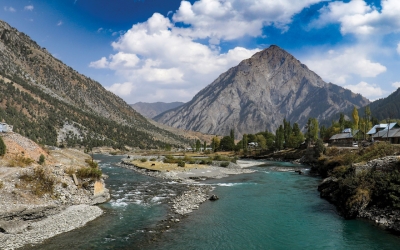
The Himalayan temple heritage is a timeless blend of spirituality, mythology, and mountain culture. The mighty Himalayas are revered as the eternal home of the Gods. Our temples in Himalayas are architectural marvels, blending Hindu and Buddhist traditions with intricate woodwork and unique pagoda styles. Steeped in myth and legend, these Himalayas temples are living testaments to profound spirituality, drawing seekers to find inner peace amidst breathtaking, ancient landscapes.

Kedarnath, a revered Jyotirlinga, situated in the Garhwal Himalayan range in Uttarakhand, is the spiritual heart of the Himalayas temples. This sacred abode of Lord Shiva offers an overwhelming, unforgettable experience, standing majestically against snow-clad peaks by the Mandakini River. Pilgrims visiting this most divine of the temples in Himalayas speak of heavenly peace, making the challenging trek truly rewarding.
Yamunotri Temple, one of the famous temples in the Himalayas, marks the sacred birthplace of the Yamuna River. Perched at 3,293 meters, it offers a soul-stirring journey through waterfalls, hot springs, and snowy peaks. The trek from Janki Chatti to this divine shrine feels both challenging and rewarding, giving visitors a sacred sense of purity and spiritual upliftment.
Badrinath Temple, one of the most revered temples in the Himalayas, stands along the Alaknanda River in Uttarakhand, guiding devotees on their path to moksha. Visiting this sacred shrine offers a soul-stirring experience—snow peaks, crisp mountain air, and deep spiritual energy. As one of the famous temples in the Himalayas, Badrinath inspires reflection, devotion, and inner peace.
Kalpeshwar Temple, tucked away in Uttarakhand’s serene Urgam Valley, is one of the most mystical temples in the Himalayas, revered as the sacred abode of Shiva’s eternal Jata. The cave temple’s peaceful aura, lush forests, and year-round accessibility create a uniquely intimate spiritual experience. Visiting this ancient shrine feels like stepping into divine silence, making it one of the famous temples in the Himalayas for seekers of inner calm.
Hidden deep within the temples in Himalayas, Rudranath Temple in Uttarakhand offers a rare chance to witness Lord Shiva’s masked Rudra form, revealed each morning to show his serene face. Reached through a challenging Himalayan trek, this sacred shrine surrounds devotees with alpine meadows, peaks, and quiet streams—creating a powerful spiritual journey in one of the famous temples in Himalayas.
Tungnath Temple proudly stands as the world's highest Shiva shrine, a spectacular site among the temples in Himalayas at 3,680 meters in Uttarakhand's Chopta region. This ancient Panch Kedar temple, built by the Pandavas, rewards the moderate trek through alpine forests and sweeping mountain views with deep spirituality. Visitors are awestruck by the 360-degree views of snow-covered peaks like Chaukhamba and Trishul.
Madhyamaheshwar Temple, one of the most mystical temples in the Himalayas, is where Lord Shiva’s navel is believed to rise naturally from the earth. Located in Uttarakhand’s Rudraprayag district, this sacred Panch Kedar shrine is reached through a scenic trek offering dramatic Himalayan views. Visiting this ancient stone temple feels deeply spiritual, making it one of the most famous temples in the Himalayas for seekers of serenity and devotion.
Neelkanth Mahadev Temple, one of the famous temples in the Himalayas, stands near Rishikesh as a sacred tribute to Shiva’s blue-throated form after consuming the cosmic poison. Surrounded by lush hills and forests, this serene shrine offers a peaceful pilgrimage experience. Visitors travel through scenic mountain roads to reach the temple, seeking blessings, spiritual clarity, and the calming energy of the Himalayas.
Hemkund Sahib is a breathtaking sanctuary of faith among the temples in Himalayas, revered by Sikhs as the meditation site of Guru Gobind Singh. Located at 4,329 meters, this high-altitude Gurdwara overlooks a pristine glacial lake surrounded by snowy peaks. The challenging trek offers devotees and adventurers an unparalleled, deeply spiritual, and immersive experience.
The best time for pilgrimage and seeking sacred darshan at the sacred temples in Himalayas is during Spring (March–May) and Post-Monsoon (September–October), offering crisp, clear skies and stunning views. While summer suits heat-escape travelers, winter brings magical snow but limited access to high-altitude shrines. Remember to check the specific opening dates, as many high-altitude shrines close during the heavy snows of deep winter
Plan your Himalayan temple tour with Indian Panorama and experience these sacred peaks with expert-led guidance and fully customized itineraries. Choose from expertly designed Char Dham routes or tailor your own spiritual journey. Our licensed local guides provide incredible insights, and with a personal trip coordinator and 24/7 support, we ensure a seamless and truly unique spiritual experience.
The temples in Himalayas offer a transformative journey where faith meets breathtaking nature. From the highest Shiva shrine (Tungnath Temple) to the gateway to Moksha in the Himalayas (Badrinath Temple), these famous temples in Himalayas embody ancient spirituality. While challenging, proper preparation ensures you safely experience the deep calm and divine energy of this majestic, unforgettable abode of the Gods.

Share This News