
No.4, Annai Avenue, Vasanth Nagar EXTN,
Srirangam, Trichy, Tamil Nadu ,620006.
CIN: U31100TN2010PTC078389
DUNS Number: 859496557


Some places don’t just show history. They quietly carry it. India’s royal palaces are exactly that. Built by Kings, Queens, Nawabs, and Maharajas, these grand structures have watched centuries pass, yet still stand tall, proud, and unbelievably elegant. Walk past their carved doors or into a vast courtyard, and you feel it instantly. A sense of power. Of beauty. Of a time when luxury meant gold ceilings, silver utensils, and artisans working for years on a single wall.
It's quite fascinating how these monuments survived the centuries. Many royal palaces in India have turned into museums or those fancy palace hotels India is known for. You can actually sleep where a Queen once did. A bit pricey? Maybe. But the experience is unmatched. Whether you are eyeing the stunning Palaces of Mysore or a hidden fortress, the variety of India palaces is endless. Every state has a "Rajmahal" ready to blow your mind with gold utensils and marble carvings.
So, we did the hard work. We found the 30 best royal palaces in India you need to see. Some are famous, others are total secrets. All are the most beautiful palaces of India. Ready to feel like royalty?
India’s royal heritage is not locked inside history books. It stands tall, in stone, marble, and gold. Scattered across the country, royal palaces in India reflect centuries of power, pride, and refined living. Each palace carries a mood. Some feel grand and intimidating. Others feel warm, artistic, and almost personal.
These historic palaces in India were once the heart of kingdoms. They hosted coronations, royal weddings, secret meetings, and long evenings of music and art. Built by maharajas, nawabs, and emperors, their walls witnessed wars, alliances, and quiet love stories. You can still sense it. In the corridors. In the courtyards. In the silence.
What makes India palaces truly special is their diversity. From Rajputana strength in Rajasthan to Indo-Islamic elegance in Hyderabad, and the graceful charm of the Palaces of Mysore, every region tells its own royal story. Many structures blend local craftsmanship with global influences, creating some of the beautiful palaces of India ever built.
Over time, history changed. Kingdoms faded. Democracy arrived. Yet the palaces remained. Some became museums. Others turned into palace hotels in India, letting travellers experience royal life, even if just for a night. Same halls. Same views. Softer beds now.
Exploring the best royal palaces in India is like walking through the soul of the country.
To think of royal palaces in India is to picture Rajasthan. It's the heart of it all. They call it the “Land of Maharajas” for a reason. There’s an insane amount of palaces here. The historic palaces in Rajasthan aren't just buildings; they are colossal statements carved in sandstone and marble. These are definitely the best royal palaces in India.
What's their specialty? It’s the sheer elegance and grandeur. From the towering might of Mehrangarh Fort to the delicate, honey-combed facade of Hawa Mahal. The architecture is a proud blend—Rajput courage meets Mughal elegance, with a touch of European flair. You see it in the intricate mirror work, the hand-painted frescoes, and the vast courtyards.
And the magic is, you’re invited in. These beautiful palaces of India have opened their gates. Many are now world-class palace hotels, where you can literally sleep in a maharaja’s suite. That’s the unique draw. You don't just see history, you feel its luxury, its weight. It’s why tourists and even couples for destination weddings flock here. To walk through a living storybook. To touch a regal past that’s astonishingly alive.
Right in the heart of Jaipur stands the City Palace, one of the most iconic royal palaces in India. This is where the story of Jaipur began, built by Maharaja Sawai Jai Singh II himself. The architecture is a stunning mix of Rajput grandeur and Mughal elegance. Massive courtyards lead to delicate pavilions. And the famous Peacock Gate? It's a masterpiece of detailed art. But here is the real magic; part of it is still home to the royal family. So you are walking through a palace that is also a museum and a family home. This historic palace in India shows off incredible wealth and art. Total must-visit.
Now this is a palace with a view. Among the best royal palaces in India, Udaipur’s City Palace is a total giant. It sits right on Lake Pichola. Very dreamy. Built over 400 years, this ancient Indian palace is actually like a city within a city. It’s one of the most beautiful palaces of India. The specialty here is the harmony. Between land and water, between massive fortifications and delicate mirrored walls. You can lose yourself in courtyards like the stunning Mor Chowk, with its peacock mosaics, then gaze out at the lake from a breezy balcony.
Perched high above Jodhpur, the 'Blue City,' Umaid Bhawan Palace is a beacon of modern royalty. It’s colossal. Built from golden sandstone during a time of famine to provide work, it stands as one of the most iconic royal palaces in India. What sets it apart is its living duality. It is, all at once, a luxurious Taj hotel, a fascinating museum packed with vintage cars and clocks, and a functioning royal residence. The current Maharaja still lives in one wing. Its speciality is that rare mix of Art Deco elegance and Indo-Saracenic design. You can sip a cocktail in a stylish bar, then walk through halls filled with royal heirlooms. It offers a glamorous, tangible link to a regal legacy that’s both historic and surprisingly current. It’s the modern crown jewel of India's palaces.
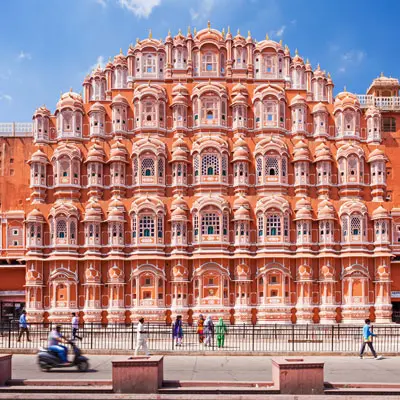
You can't picture Jaipur without its iconic honeycomb facade. The Hawa Mahal is more sculpture than palace, a breathtaking screen of pink sandstone. Built for royal women, its 953 latticed windows (jharokhas) served a clever dual purpose: offering them a hidden view of the bustling streets below while letting cool air, the "hawa," flow freely through the chambers. It's a brilliant example of Rajput design that prioritized privacy and comfort in the desert heat. Today, it draws visitors like a magnet. People come to marvel at its intricate artistry, climb its ramps, and imagine the royal life hidden behind its delicate screens. It’s not just one of the most beautiful palaces of India; it’s a poetic and enduring symbol of Jaipur’s identity, a true masterpiece of ingenious royal architecture.
It looks like a dream. A vision in white marble, seeming to float magically on the calm surface of Lake Pichola. That’s the Lake Palace of Udaipur. Built as a summer getaway for royalty, it wasn’t meant to be a fort, but a place of serene beauty. And it still is. Its undeniable speciality is its location. You don’t walk to it, you arrive by boat. This journey across the water makes you feel you’re entering a separate, enchanted world. Once a royal retreat, it’s now a world-famous palace hotel, part of the Taj group. What draws people is that fairy-tale promise. The chance to sleep in a room overlooking the lake, to dine under the stars where maharajas once relaxed. It’s the ultimate in romance and luxury. More than a hotel, it’s a living piece of art on water, and easily one of the most beautiful palace hotels India has to offer. A true floating wonder.
It’s a mirage. At least, that’s the feeling when you first see Jal Mahal rising from the centre of Man Sagar Lake. While other royal palaces in India stand firmly on land, this one plays a beautiful trick. Four of its five stories are submerged, creating that iconic floating illusion. Built as a royal pleasure lodge for hunting and festivities, its speciality is this marriage of architecture and nature. The Rajput-Mughal design, with its distinctive chhatris, seems to grow right out of the water. They used a special lime mortar to keep the lake at bay; a real feat of ingenuity. That’s what pulls people in. The mystery. You can’t go inside, but you don’t need to. The magic is in the view. Visitors and photographers flock to the banks at sunset to see its sandstone glow against the water and the Aravalli hills.
This is where you live history. Rambagh Palace isn't just a monument you visit; it's a place you stay. Originally the residence of the Maharaja of Jaipur, it’s been transformed into arguably India’s finest palace hotel. The speciality here is the seamless blend—it feels like a royal home that’s still in use, because it was. Peacocks stroll through the Mughal gardens as if they own the place. The halls are lined with intricate marble jali work and period furniture. You can even dine in a vintage train car called 'Steam'. That’s the immersive experience it offers. It attracts those seeking more than a tour. They come for the luxury, the impeccable service, and the chance to sleep in a room where royalty once lived. Among all the Indian palaces, this one is a true bucket-list stay. Such a beautiful palaces of India. A true "Jewel of Jaipur."
Tucked in the quiet Aravalli hills, Samode Palace feels like a secret. It’s a bit off the beaten path, away from Jaipur's bustle. This is part of its charm. Originally a 16th-century fortress, it was transformed in the 1800s into a stunning example of Rajput-Mughal fusion. Its undeniable speciality is the hand-painted detail. Every wall and ceiling seems alive with intricate frescoes and dazzling mirror work. The Sheesh Mahal (Hall of Mirrors) here instantly steals your attention. This intimate, artistic atmosphere is what draws people. As a heritage hotel, it offers a quieter, more personal royal experience. It proves that among India's royal palaces, some of the best treasures are found down the quieter roads.
Maharashtra is often remembered for its mighty forts and fearless Maratha warriors. But look a little closer, and you’ll find a quieter kind of royalty too. Scattered across the state are elegant royal palaces that reflect power, pride, and changing times. These historic palaces in India tell stories of Maratha rulers, princely families, and even the British era. Unlike the grand sandstone palaces of Rajasthan, the royal palaces of Maharashtra showcase a unique mix. Maratha simplicity. European elegance. Indo-Saracenic charm. Some palaces once served as royal residences, others as administrative centres during colonial rule. Today, many stand as museums, cultural landmarks, or charming heritage stays. From art-filled palaces preserving rare traditions like Ganjifa painting to regal homes linked with India’s freedom movement, these structures offer a deeper look into India’s layered past. They may be lesser-known, but they deserve their place among the best royal palaces in India.
Aga Khan Palace in Pune is a palace with a different story to tell. Built not by a king, but by a spiritual leader, Sultan Aga Khan III, in 1892. He built it as an act of charity during a famine to provide work. So from the start, its purpose was unique. The architecture is grand, with beautiful Italian arches and sprawling lawns. Its speciality isn't royalty in the traditional sense, but a pivotal role in India's freedom struggle. During the Quit India Movement, it became a prison. Mahatma Gandhi, his wife Kasturba, Sarojini Naidu, and other leaders were held here for two years. Tragically, both Kasturba Gandhi and Gandhi's secretary, Mahadev Desai passed away within its walls. That’s what draws visitors today, the profound history. It's now a museum and memorial. You can see Gandhi's personal items, his charkha, and the rooms where they were confined. The samadhis (memorials) for Kasturba and Mahadev Desai are on the grounds. It attracts those looking to connect with a defining chapter of modern India.
In Pune, the imposing stone walls of Shaniwar Wada tell a different, powerful tale. This was the seat of the Peshwas, the prime ministers who ruled the mighty Maratha Empire at its peak. Built in 1732, it was designed to be a symbol of unmatched power and authority. Sadly, a massive fire in 1828 destroyed most of it. But even the foundations are impressive. This historic palace in India is famous for the Delhi Darwaja (the main gate) and the "Fountain of a Thousand Jets." It attracts tourists who love a bit of mystery. There is even a spooky legend about a young prince being murdered here. People say they still hear him cry out on full moon nights! Among the best royal palaces in India, this one is more about the vibe and the history. It's definitely an ancient Indian palace ruin you shouldn't miss. Truly one of the most beautiful palaces of India to explore at sunset. The famous evening light and sound show brings the legends to life - tales of political intrigue, betrayal, and grandeur.
Mysore doesn't just have a palace; it earns its title as the 'City of Palaces'. Under the long reign of the Wodeyar dynasty, particularly Maharaja Krishnaraja Wodeyar IV, the city became a canvas for architectural ambition. We’re talking about not one, but seven significant royal residences, each with its own story. That’s a unique concentration of heritage you won’t find everywhere. The most famous is, of course, the breathtaking Mysore Palace, an Indo-Saracenic masterpiece that glows with nearly 100,000 lights. But look beyond it, and you’ll find other gems. Lalitha Mahal, now a hotel, Jaganmohan Palace, an art gallery, and others that now serve as government offices or cultural spaces. While many historic palaces in India are frozen in time or converted solely for tourists, Mysore’s palaces remain woven into the city's daily fabric. They showcase a deep royal patronage of art and architecture, blending Hindu, Islamic, Gothic, and Rajput styles into something uniquely Mysorean. For anyone exploring historic palaces in India, Mysore is unmissable.
The Mysore Palace is the undisputed star among the many Palaces of Mysore. When you see it—especially illuminated by nearly 100,000 bulbs on a Sunday evening—it’s impossible not to be awestruck. This is India's second most visited monument, and you understand why immediately. Its speciality is the breathtaking fusion. The architecture is a confident blend of Hindu, Islamic, Rajput, and Gothic styles. Inside, the opulence is staggering: intricate ivory-inlaid doors, stained glass ceilings from Belgium, chandeliers from Czechoslovakia, and a jewel-encrusted golden throne. It attracts visitors not just for its beauty, but for its living culture. It remains the seat of the Wodeyar dynasty and the heart of the grand Mysore Dasara festival. You’re witnessing a masterpiece that’s both a historic treasure and a vibrant, beating heart of royal tradition. It is, without question, one of the best royal palaces in India.
While the main Mysore Palace is the showstopper, the Lalitha Mahal offers a different kind of charm. It was built for a very specific, grand purpose: to host the Viceroy of India. That intention is etched into its very design. This isn't a fortified ancient structure, but a 20th-century vision of European elegance, commissioned by a Maharaja. Its speciality is this distinct Renaissance and Italianate style, rare among India's royal palaces. With its white facade, grand dome, and sprawling terraced gardens at the foot of Chamundi Hills, it looks like it belongs on an Italian hillside. That was the point—to impress with cosmopolitan grandeur. Today, it attracts visitors as a luxury heritage hotel. People come to experience that specific, old-world opulence, to stay in a palace built for the highest colonial official. It offers a quieter, more intimate slice of Mysore's royal history. A beautiful example of how India's palaces adapted to a changing world, blending local royalty with global architectural trends.
In West Bengal, the language of power and prestige was spoken through elegant Rajbaris (palatial residences) and colonial-era mansions. These palaces, often built by wealthy zamindars (landlords) and local kings, tell a tale of cultural fusion and sophisticated taste. Think of grand European facades—Italianate, Neoclassical, or Indo-Saracenic—set against the lush Bengal landscape. The best royal palaces in India, found in Bengal, like the Cooch Behar Palace, look like they were plucked straight out of Europe! Many of these "Rajbaris" are now being restored as stunning palace hotels India travelers are starting to discover. From the "Palace of a Thousand Doors" in Murshidabad to the Marble Palace of Kolkata, these India palaces are like living museums. They reflect a different chapter of India's royal heritage, one shaped by the Bengal Renaissance, colonial influence, and immense landed wealth. Honestly, some are in ruins, but even the ruins look grand. Truly, some of the most beautiful palaces of India.
The Cooch Behar Palace is a total shocker because it looks exactly like Buckingham Palace! Built in 1887 by Maharaja Nripendra Narayan, this ancient India palace (well, late 19th century) is a massive brick masterpiece. It’s one of the best royal palaces in India for anyone who loves European style. Its speciality is this confident architectural fusion. The facade, with its rhythmic arcades and elegant verandas, is purely classical European. Yet it was the seat of the Koch dynasty, a vibrant Indian kingdom. Inside, the grand Durbar Hall under a gilded dome reminds you of its royal purpose. Today, it attracts visitors with this striking contrast. It’s not a fort or a Rajput haveli. It functions as a museum, displaying royal artefacts that tell the story of the Koch rulers. People come to see a different side of India's regal history, where a local king looked westward to build his dream palace, creating one of the country's most unique historic landmarks.
The Marble Palace in North Kolkata is a monument to eclectic taste and sheer opulence. Built in 1835 by Raja Rajendra Mullick, this ancient Indian palace (well, a grand mansion) is famous for using over 90 different types of marble! It’s one of the best royal palaces in India for art lovers because it’s packed with European paintings, Victorian furniture, antique clocks, and massive chandeliers. What makes it one of the most beautiful palaces of India is the quirky mix of styles. You’ll find Neoclassical pillars right next to traditional Bengali courtyards. There’s even a small private zoo on the grounds with exotic birds. Among the historic palaces in India, this remains a private residence, so it feels very personal and authentic, yet open to visitors. It's truly a unique gem among Indian palaces.
Hyderabad wears its royal past with quiet pride. Known as the city of Nizams and Nawabs, it is home to some of the most historic palaces in India, each echoing stories of power, culture, and refined luxury. These palaces were once the private worlds of the Nizams, built with a fine blend of Persian elegance, European grandeur, and Indian craftsmanship. What makes the historic palaces of Hyderabad special is how they still live on today. Many have been carefully restored and repurposed as museums, cultural centres, hospitals, or institutions, keeping history relevant, not frozen. Some sections are still occupied by royal descendants. Among the many royal palaces in India, Hyderabad’s stand out for their understated opulence and deep cultural roots. They offer visitors a rare glimpse into a time when royalty ruled with grace, vision, and undeniable style. A must-see chapter in India's royal story.
Chowmahalla Palace is where Hyderabad’s royal past still feels alive. Tucked inside the Old City, this grand complex once served as the seat of the Nizams, the rulers known for their refined taste and unmatched luxury. Walking through the courtyards, you can sense it instantly. Power. Grace. A slower, regal time. What makes Chowmahalla Palace special is its striking mix of styles - Persian elegance, Mughal grandeur, and subtle European touches, all coming together beautifully. The Khilwat Mubarak Durbar Hall, with its massive chandelier and polished floors, is the real showstopper. Today, the palace functions as a museum, displaying royal costumes, weapons, manuscripts, and vintage cars that hint at how lavish life once was. Among the historic palaces in India, Chowmahalla stands out for preserving the soul of the Nizams. It’s not just a monument. It’s a window into India’s royal heritage, proud and timeless.
Perched 2,000 feet above the city, its name says it all: Falaknuma, 'Mirror of the Sky'. This isn't just another palace; it's a celestial retreat. Built by the Paigah noble Nawab Viqar-ul-Umra and later owned by the Nizam, it was designed to astonish. Inspired by the grand estates of England, it represents a very specific moment in India's royal history, when global influences were seamlessly adopted into local opulence. As one of the best royal palaces in India, it is constructed entirely of Italian marble, a masterpiece of Tudor and Italianate architecture, shaped like a scorpion. Inside, the details overwhelm: Venetian chandeliers, a library modelled after Windsor Castle’s, and the world’s longest dining table seating 101 guests. It’s now a legendary Taj Palace Hotel, offering perhaps the most exclusive heritage stay in India. People come not just to tour, but to dine under those crystal chandeliers, to stroll manicured Mughal gardens with that panoramic view. If you want to feel like royalty, this ancient India palace is a total dream.
In the South, the story of royalty is written in a different script. While North India has its Mughal and Rajput forts, the palaces of Tamil Nadu speak the language of ancient Dravidian kingdoms—the Cholas, Pandyas, and later, the Nayakas. Their grandeur is more intimate, often woven into temple cities and focused on courtyards and ceremonial spaces rather than arid hilltop forts. These historic palaces in India showcase a distinct architectural beauty. From elegant mandapas (halls) to intricately carved stone pillars and stunning murals. You see a beautiful blend: classic Tamil design meeting later influences from the Marathas and even Europeans, especially in places like Chepauk Palace in Chennai. Visiting the beautiful palaces of India in Tamil Nadu offers a calm, meaningful glimpse into an ancient India palace culture that valued art, architecture, and legacy. They are definitely some of the most beautiful palaces of India for anyone who loves history.
Built by the Nayak rulers and later expanded by the Maratha Bhonsle dynasty, the Thanjavur Maratha Palace is a fascinating architectural hybrid. It’s a unique chapter in India's royal history, showing how a South Indian stronghold absorbed the culture of Maratha rulers from the west. Beyond the grand courtyards and durbar halls lies the crown jewel: the Saraswati Mahal Library. This is one of Asia's oldest, housing priceless palm-leaf manuscripts. That’s what sets it apart—it’s a palace of both power and profound learning. Visitors come for this unique blend. You explore royal living quarters and an art gallery famous for Thanjavur paintings, then step into a world-class archive of ancient knowledge. It attracts those looking for depth beyond just beauty, offering a rare glimpse into a regal past. A hidden gem among historic palaces in India.
The Chettinad Palaces in Kanadukathan are not fort-style residences, but grand homes built by wealthy Chettiar merchants. A 110-year-old masterpiece that mixes local Tamil style with European vibes. It’s a showcase of the best materials the world could offer, assembled with local craftsmanship. Italian marble floors, Burmese teak pillars, Belgian stained glass windows, and vibrant, handmade Athangudi tiles. Truly one of the best royal palaces in India for architecture lovers. What draws people to this historic palace in India are the vibrant Athangudi tiles and the massive, temple-like doorways. Even though it's a private residence, the stunning exterior makes it one of the most beautiful palaces of India for photography. Among all India palaces, this one perfectly shows off the global trade history of the region. It’s a must-see ancient India palace in the heart of Tamil Nadu.
When we talk about royal palaces in India, the North offers a particularly powerful mix. Here, history feels layered. You have the Mughal legacy of power, seen in the Red Fort's grandeur. Then came the Rajput kingdoms, building formidable hilltop forts like those in Rajasthan that doubled as lavish homes. And later, the colonial era, which gave rise to places like the Rashtrapati Bhavan—a palace built for a British Viceroy, now the Indian President's home.
These structures tell different stories of authority. Some, like Gwalior's Jai Vilas Palace, showcase incredible 19th-century opulence with its famous ton-weight chandeliers and silver train. Others, like the palaces of Bikaner or Patiala, reflect a blend of indigenous and European tastes.
Exploring these historic palaces means witnessing the shifting faces of power over centuries, all within one region. From ancient fortresses to colonial-era mansions, they provide a physical timeline of India's regal and political history. They remind you that royalty here wasn't a single style, but an evolving idea, each dynasty leaving its own spectacular mark.
Originally built as the "Viceroy’s House," Rashtrapati Bhavan is now the official residence of India's President. It is an H-shaped marvel with 340 rooms! Designed by Edwin Lutyens and Herbert Baker, it blends Indian motifs with classical Western styles perfectly. This historic palace in India is actually the second-largest residence of any head of state in the world. People flock here to see the Amrit Udyan (formerly Mughal Gardens), which is basically the "soul" of the palace. Out of all the best royal palaces in India, this one represents the transition from imperial rule to democratic pride. A true symbol of India’s enduring legacy.
Built in the 19th century for the Scindia dynasty, Gwalior’s Jai Vilas Palace is massive! It has 400 rooms and mixes three different European styles: Tuscan, Italian-Doric, and Corinthian. It is easily one of the best royal palaces in India for those who love pure luxury. What really attracts visitors to this historic palace in India is the Durbar Hall. It features two of the world’s largest chandeliers! They are so heavy that elephants walked on the roof to test its strength. You’ll also find a famous silver toy train that actually delivers drinks along the dining table. Among the many India palaces, this one is a true masterpiece. It’s definitely one of the most beautiful palaces of India and still serves as a royal residence today.
India is a land of kings and queens, and honestly, the best way to feel that history is to live it. Many of the best royal palaces in India have now opened their doors as luxury hotels where you can stay like royalty. It’s not just about a fancy bed. It is about waking up where a Maharaja once lived! You get to walk through halls where chandeliers whisper secrets of the past.
Staying in these palace hotels India is famous for is like entering a living museum. You can enjoy rose-petal welcomes, private butlers, and dinners on moonlit terraces. Whether it is the lakeside charm of Udaipur or the grand Palaces of Mysore nearby, the experience is totally magical. You can watch traditional dances in courtyards that have seen centuries of celebrations.
Even if you’re just visiting a historic palace in India, the vibe is incredible. But staying overnight? That is how you truly inhabit history. You’re not just booking a room. You’re stepping into a story. So, for a journey that’s all about grandeur, culture, and sheer wonder, choose the best royal palaces in India that open their doors as hotels. Pack your bags, and get ready to live your own royal tale.
Imagine waking up in a room where a Maharaja once held court. Or dining under Venetian chandeliers that have witnessed royal intrigues. This isn't a fantasy; it's the magic of India's heritage palace hotels. These aren't just places to sleep; they're living museums where you become part of a centuries-old story, enjoying 21st-century luxury in genuine royal residences.
Beyond Rajasthan, this regal experience extends across India. You can book stays at places like the Taj Mahal Palace in Mumbai, a landmark facing the Gateway of India, or the peaceful Taj Nadesar Palace in Varanasi. In Kerala, while not a former royal palace, the Kumarakom Lake Resort offers heritage villas with stunning backwater views for a dose of South Indian royal-inspired luxury.
Indian Palaces showcase a level of craftsmanship that is honestly hard to find anywhere else today. Every dome, every carved window, whispers a tale of the kings and cultures that built them. The architectural styles across India are wildly different, and that's what makes exploring these historic palaces in India so thrilling.
In the desert state of Rajasthan, you find the mighty Rajput palaces and forts. These are all about power and poetry. Think towering walls for defence, but then delicate, overhanging balconies called jharokhas where royalty would appear. And those little dome-topped pavilions on rooftops? Those are chhatris, designed for enjoying the sunset. It’s rugged grace.
Then came the Mughal influence, which brought a love for perfect symmetry and exquisite detail. This style is all about grand white marble, enormous domes that kiss the sky, and incredibly delicate inlay work with semi-precious stones. Their gardens, called charbagh, are laid out in perfect geometric patterns with waterways. It’s ordered paradise.
Later, during the British era, a fascinating mash-up happened: Indo-Saracenic style. Architects blended Indian domes and arches with European Gothic towers and Victorian flourishes. The result? Breathtaking buildings like the Palaces of Mysore, which look like they’ve sprung from a fantasy. It’s a true cultural cocktail in stone.
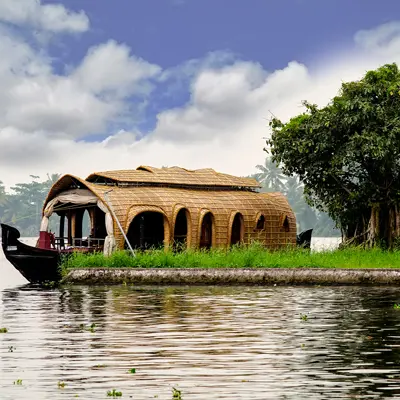
From the wooden, sloping-roofed palaces of Kerala to the fresco-covered havelis, the diversity is stunning. But they all share common threads: intricate artistry, clever climate control with courtyards and screens, and a deep harmony with their surroundings. To visit these beautiful palaces of India is to take a walk through history itself, written in architecture.
Rajput architecture is where strength meets beauty. It mixes sturdy Hindu designs with the elegant curves and gardens of later Mughal influence. The result? Something fiercely beautiful. These palaces and forts were built by warrior kings who wanted safety, pride, and grandeur—all at once. They are mostly hilltop forts with massive walls and wide courtyards. Yet inside, you’ll find delicate frescoes, carved jharokhas, marble floors, and airy balconies made for royal comfort.
What makes Rajput architectural style special is this balance. Defence outside. Luxury inside. Many historic palaces in India followed this design, turning power into art. From golden sandstone structures to mirror-work halls, these royal palaces in India still reflect courage, culture, and timeless elegance.
Indo-Saracenic architecture feels like a meeting point of worlds. Indian tradition, Islamic elegance, and a touch of European drama. All in one frame. This style rose during the British era, yet it proudly borrows from India’s royal past. What makes this style so special are the iconic features like bulbous onion domes, pointed arches, and delicate jali (latticework). These structures stand out for their red sandstone facades and stained-glass windows.
Many royal palaces in India follow this style, especially in the south. The Palaces of Mysore are a perfect example. These structures weren’t just built to impress. They symbolised power, pride, and progress. Today, they stand among the historic palaces in India, reminding us how beautifully cultures blended to shape India palaces we still admire.
Timing matters when you’re exploring the royal palaces in India. The most comfortable time to visit Indian Palaces is between October and March. Winter brings pleasant weather, clear skies, and long days, perfect for walking through historic palaces in India without rushing. Summers can be harsh, especially around North India palaces, while the monsoon makes travel slow and messy. Winter, on the other hand, lets you enjoy the beautiful palaces of India at an easy pace. Take photos. Feel the history. And truly soak in the royal vibe.
India’s royal heritage is massive, so planning is key! To see the best royal palaces in India, start with regions rich in heritage - Rajasthan is a must. Packed with incredible historic palaces in India.
First, timing is everything. Travel between October and March. The weather is cool and perfect for exploring. Don't just visit a palace—sleep in one! Book a stay at a palace hotel in India for the full royal treatment. Plan fewer cities, more experiences. Finally, consider a private guide. They unlock the hidden stories in the stone, turning a simple tour into a journey through time. Plan smart, and you’ll experience the grandeur seamlessly.
Capturing the grandeur of India's royal palaces isn't just about snapping a picture. It's about telling their story through your lens. These historic palaces in India are a photographer's dream, but they demand a bit of strategy.
Here’s how to get those stunning shots:
And there you have it. A journey through stone, story, and sheer splendor. India’s royal heritage isn't a closed book. It’s an open invitation. Walking through these historic palaces in India, you don't just learn history. You feel its weight in the marble, hear its echo in the courtyards.
From the mighty palaces of Rajasthan to the elegant Palaces of Mysore, each structure is a chapter. A chapter of power, art, loss, and triumph. These beautiful palaces of India were built to last centuries. And they have. They’ve witnessed everything. Now, they wait for you.
So, what's next? It's your turn to step into the story. Book that trip. Walk through those grand gates. Maybe even spend a night in a palace hotel in India. Let the history sink in. Because this isn't just a tour. It's a chance to touch a living legacy. To experience royal India, not as a spectator, but as a guest. Your royal chapter awaits.
Share This News