

No.4, Annai Avenue, Vasanth Nagar EXTN,
Srirangam, Trichy, Tamil Nadu ,620006.
CIN: U31100TN2010PTC078389
DUNS Number: 859496557

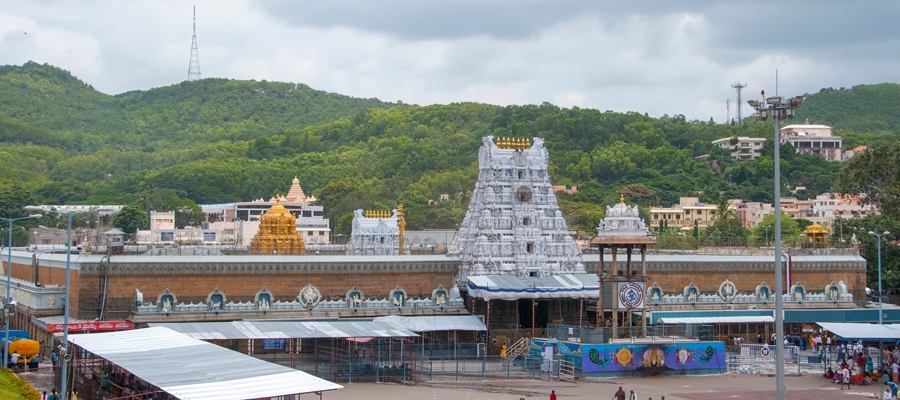
Tirupati Balaji Temple, renewed as the holy Tirumala site is the richest temple India. Instead of just prayer spaces and spiritual vibes, this old temple holds many curious stories, odd science puzzles, and mysteries still serves as puzzle for tourists evens today. Whether it's the moist statue of Lord Venkateswara or never-dying clay lamps along with vast riches stored here, each part intensifies its enigmatic charm. Through this close look, readers unleash unexpected truths, mythic accounts, scientific notes, traditional rituals - making this shrine a popular landmark across India.
The Venkateswara Temple located in Tirumala - also called Sri Venkateswara Swami Temple - is a Hindu shrine preached on hills within Tirupati Urban Mandal, Tirupati District, and Andhra Pradesh, India. It is dedicated to Lord Venkateswara, an incarnation of Vishnu, said to have arrived on earth during Kali Yuga to save people from suffering. Because of this belief, the place earns the title Kaliyuga Vaikuntha; its main figure is known as the Kaliyuga Prathyaksha Daivam. Besides that, it goes by some substitute labels like Tirumala Temple, Tirupati Temple or even Tirupati Balaji Temple. Venkateswara also has various names - Balaji, for widely popular or Govinda, and also Srinivasa. Managed by Tirumala Tirupati Devasthanams (TTD), the shrine comes under Andhra Pradesh Government oversight. Leadership at TTD comes from appointments made by the state government directly. Beyond its spiritual value, this site holds a deep historical weight. Historical records, carvings, and long-standing customs help preserve its heritage. Significant ceremonies, designs, landscape features, combined with a deep sense of devotion, position Tirupati Balaji Temple noticeably within local tourism offerings. There are also significant Tirupati tourist attractions that one can enjoy visiting post temple visit which turns your spiritual journey into something interesting
Tirupati Balaji temple in India is among the earliest and most revered temple in India. References to the sacred Tirumala hills appear in ancient texts like the Puranas, Silappadikaram, and Sangam works - proof of its importance in early society. Myth suggests that Vishnu appeared here as Venkateswara in the Kali Yuga to aid humankind; because of this, the place remains a lasting abode for devotion.
The initial support was extended by Pallava rulers, backing the site from the 6th to the 9th century CE. Following them, expansion gradually grew under Chola and Pandya rule, changing both layout and ceremonies. During Vijayanagara reign offerings surged - especially under Krishnadevaraya - with records still found on-site. His gifts like gold, gems, estates; he also financed major rebuilds, reinforcing Tirupati's wealth.
The statue of Lord Venkateswara in Tirumala stands unique because it’s deep mystery and quiet power. Located within the inner chamber, it carries an aura many followers feel is spiritually active beyond a mere stone or metal. Various odd traits, strange features, and reported miracles keep attracting people over the globe. Stories linked to this image trace back to when Vishnu arrived this world as Venkateswara to help remove human struggles. While science flops to explain changes like perspiration or visible hair increase, these happenings contribute greatly to what makes the shrine so uniquely astounding.
One of the strangest things connected Lord Balaji’s statue is daily sweating. Moisture emerges every morning, observed by priests during routine worship. The dampness gets softly removed using fine silk - seen as sacred as it comes from a godlike figure. Legends suggests the idol isn't just a stone but alive, reflecting life through sweat. Scientists suggest that environmental conditions like air moisture or fluctuations in heat might cause the phenomenon. Yet, no explanation completely explains why moisture appears just on specific days or in the middle of specific ceremonies. Despite this, the Weeping idol endures to spark debate at the temple many view it as a symbol the god is truly alive.
The statue of Lord Balaji has a golden mark called 'Namam' a U shaped tilak over part of the eyes, together with camphor and some Bhasma. Because his glimpse is seen as extremely bright and stunning followers think staring straight at it might be hypnotising. So the cover helps tone sacred look a little bit. Historical tales add that those eyes represent both great kindness and dynamic force. A different idea suggests Lord Venkateswara looks at followers’ feet, showing modesty together with boundless kindness. His partly hidden eyes represents spiritual shelter, care, and harmony welcoming one more curious mystery to this sacred place.
One of Tirupati Balaji Temple’s Interesting Facts is that the statue of Lord Balaji acts like a real being. This idea emerges from things people notice - such as the moisture on the surface, heat coming from it, longer hair growth over the time, also alterations in how heavy it feels when being moved. During particular rites, caretakers say they sense pulses similar to a heart beating. Even though science hasn't verified these claims, generations have preserved them as spiritually significant facts. Trusting in this active presence intensifies faith for boundless tourists arriving at the shrine seeking for grace.
Tirupati Balaji temple in India carries several puzzling features that shape its holy image. Whether it's age-old lights, or unusual customs, the site continues drawing people who are with high curiosity. Several traits trace back to ancient-world construction methods, different building styles, or acquired faith practices. People often report high peace upon entering the temple - possibly connected to location layout and sensed inner energy. Intricate sculptures, secret chambers, ancient tunnels, along with subterranean water flows, enhances its mysterious aura.
In the sacred halls of Tirumala, old clay lamps burn without dying - some say for hundreds of years - a rare sight enhancing the temple’s quiet mystery. Situated in protected spots inside the shrine, they’re looked after by Priestly families who’ve maintained this duty across many family branches. Temple records suggests that the lamps were lit in the earliest years of the site’s founding. Their endurance stands unique most clearly. Even in harsh weather like strong gusts, torrential downpours and fluctuating temperatures - they keep burning persistently. Instead of a normal oil, in charges in the temple depend on a unique blend of ghee. This recipe comes from historical writings preserved on dried palm leaves.
One of Tirupati Balaji Temple’s Interesting Facts is that the hair which is visible on Lord Balaji’s chin. From period to period priests observe thin hairs stands forming - this they view as an evidence the deity is still alive. These strands are known to be unusually soft, glossy, even arranged neatly- a significant features is hard to explain. Once growth is visible a private shaving ritual happen within the inner chamber. Conducted by only chosen priests from specific family lines, it begins with reciting mantra chants. Then they carefully trim the hair using instruments kept purposely for this task. The collected strands are preserved safely - never shown nor shared - which enhances the mystery of the practice. Legend suggest that the growing hair indicates Venkateswara’s presence in the statue as an active form of Lord Vishnu.
The primary statue of Lord Balaji is said to possess unique magnetic traits. While standing closer by the inner chamber, many followers notice a faint yet clear tug - almost like an invisible power arrives from the figure. Spiritual workers and scholars often point out its deep gravitational effect, unlike most other ancient temple images. Still, several elements puzzle experts, especially how steady the pull feels and what it does to tourists both bodily and mentally. To many believers, this odd draw is not about physics - it's something sacred representing the deity’s strength guiding people toward trust and deep devotion.
The sacred chamber at Tirumala showcase unusual sound behavior. Though whispers are faint, they carry firmly within the enclosed places. In design terms, constructors used ancient methods involving stacked rocks, special room forms, or meticulously positioned gaps. Even today experts can't completely figure out how flawless the audio effects were reached long ago without any technological advancement. The layout enables sound from chants such as Suprabhatam to move seamlessly across the room, enriching the spiritual engagement. Still now, this unique echo effect stands unique among temple traits reflecting ancient Dravidian craftsmanship.
One of Tirupati Balaji Temple’s Interesting Facts is that it is richest faith-oriented organizations in the world as its wealth comes solely from deep dedication shown by boundless devotes each and every year devotes offer gold, silver, gems, money, or highly valued things - not only to offer thanks to the Lord but also to request for divine favor. Over hundreds of years, Kings, merchants, spiritual seekers, and leaders across the globe contributed these treasures. Many pieces are remarkably old, highlighting intricate artistry that unleashes the techniques passed down through regal lineages. Because of such gifts, the temple operates wide-ranging aid efforts -offering no-cost food, medical assistance, schools, and community support.
Tirupati gathers astounding amounts each day. Generally, the shrine collects millions through donation boxes every single day. During festivals, those figures elevate sharply crowds of hundreds of thousands arrive, enhancing the inflows rapidly. The count of hundi offerings occur in a well-protected areas and carefully monitored. Volunteers along with temple workers sort through coins, cash, gold pieces, also gifts from foreign. Diamond rings or gold bars, even unique gems are frequently found which represents deep personal faith connected to Lord Venkateswara. Apart from hundi, some income comes through seva tickets; also through prasadam sales. Several funds come from guest stays or returns on invested money.
Over the past years, devotees offered gold items to Lord Balaji out of thanks or devotion. These gifts differ from crowns to chains, also bracelets, belts, anklets and some even offer gems like diamonds, rubies, or emeralds. Several pieces may be more than five centuries old, done by skilled craftsmen once connected to royalty, used exclusively in sacred ceremonies. Now, the temple houses vast amounts of gold - ornaments included - that together weigh approximately thousand kilos. Annually, fresh offerings arrive steadily, increasing its rare collection over time.
The hundi is the core of the temple's offering process. Situated in a visible spot, it collects and stores offerings such as cash, jewellery, and gifts from devotees. Every day, millions give voluntarily guided by faith, reverence or thankfulness. This custom represents the link between god and worshipper - a sign reinforcing common conviction over the time.
Tirupati Balaji Temple is renowned for historical practices inherited through generations. Although rooted in tradition, every ceremony follows the Agama Shastra accurately as these guidelines are honored closely, the sacred ambiance remains intact. While some temples adapt over time, this one preserves its original rhythm without disruption.
The morning in Tirumala begins with sacred singing of mantras followed by ceremonies using flowers, camphor, milk, and sandalwood, together with devotional songs. These duties are performed by priests who acquire their positions - inherited through families over many years.
One unique custom is shaving heads; besides this, people offer coconuts. Then there's chanting Suprabhatam together with handing out the most popular known laddus as blessings. Practices like Thomala Seva follow, while Abhishekam follows - each enriching the temple’s ambiance.
One of the renowned practices at Tirupati is offering hair. Many devotees shave their heads to show letting go, or to offer thanks or a way of showing reverence toward Lord Balaji. Tradition suggests that once, when Lord Venkateswara got injured on Earth, a heavenly figure known as Neela Devi gave her own tresses to Compensate. Carried away by this act, He granted her a boon - His followers would later offer their hair to pay reverence to her faithfulness. The temple town is among the biggest head-shaving centers world-wide, highlighting hygienic spaces, orderly setups, together with trained attendants. The service costs nothing, takes little while and best suits for everyone. Through the temple trust, collected strands go under the hammer - this boosts income prominently.
Every morning before sunrise, soft mantras known as “Suprabhatam” chanting fills the temple. It is a Sanskrit verses sang to wake Lord Venkateswara with care. This mantra signals the beginning of worship in Tirumala. As light grows, the hymns speak of breaking dawn, sacred mountains, while gods calmly wait for grace. Priests enter the inner chamber carrying lamps, flowers and holy water while chanting hymns. A sense of stillness fill the areas pulling worshippers close to something higher than through quiet reverence. Experience this morning Prayer firsthand feels truly special - not everyone gets the chance as it marks the god’s first welcome each dawn. Such moments represent immense dedication, routine care, and purpose behind every act inside the temple premises.
Tirumala Laddu is popular worldwide not only because it is considers as sacred but also for its rich taste Owning a respected GI status, its special sweet has been kept alive by shrine chefs across many generations. Made using unadulterated ghee altogether with almonds, elaichi, besan, and sugar, it delivers a rich taste worshippers highly value. The preparation happens in huge cooking halls where numerous laddus are made each year. While following strict cleanliness, accuracy guides every step taken. Using huge pots alongside ancient ways gives the rich sweet its unique aroma and flavor due to its special components mixed in carefully. Grabbing this prasadam after seeing the deity feels like a satisfactory point of the trip. The laddu represent wealth and the hope that prayers will come true. Some followers take it back home considering it as a gift from the temple as a sign of spiritual safety.
Tirupati Balaji Temple stands unique within the 108 Divya Desams - the sacred Vishnu sites revered in old Tamil devotional texts. While these verses were written by poet-saints called Alwars, they highlight the holy forms of Vishnu together with his sacred dwellings. As one of the Divya Desams, Tirupati hold greater religious significance. This reflects that Lord Venkateswara protects today’s world, yet stays worshipped through generations. Temple practices, songs, and unique customs represents strong Vaishnavite roots connecting ancient Tamil culture with broader Indian spirituality.
Readmore about Divya Desam Temple Tour Packages
Situated on the Seshachalam range, this shrine combines scenic charm with thoughtful construction. Besides green woods, it features flowing waters along with unique plants and animals. Following ancient Agama rules as well as Vastu principles, its layout maintains balance with nature nearby. Granite shapes, detailed engravings, yet carefully oriented layouts turn the temple into a standout design. The inner chamber stays cool naturally while sound carries each chant clearly across spaces. Its position on Earth is said to emit sacred vibrations - so Tirumala becomes a rare blend of landscape and higher purpose.
The sacred Tirumula hills go by the name Seshachalam, representing Adisesha's seven hoods - mythical serpent connected closely to Lord Vishnu. Legends suggests that Adisesha departed heavens; thus shaping these peaks became a majestic seat for Venkateswara, an earthly form of the god.
This hill gets its name from Adisesha, standing as a symbol of sacred shelter yet enduring strength. It reflects the base of faith that stays as every part of the journey.
Dedicated to goddess Neela Dev who offered her hair to help the Lord - this hill stands for offering without expecting back anything. This shows believers what true, simple service looks like.
This hill connects to Garuda, the heavenly mount of Lord Vishnu. So it represents power, faithfulness, and also steadfast commitment by a follower toward the sacred.
This is a place believed to be where Lord Hanuman was born, Anjanadri symbolizes bravery, focus, yet steady faith. This connects powerful guardian with visitors wishing strength.
This hill, connected to Nandi - the sacred bull represents moral strength together with unwavering devotion. It reflects an old idea - divine forces gather here in Tirumala.
This hill connects to Lord Narayana, representing stillness, order, or universal flow. Yet it reflects the quiet depth felt throughout the sacred path.
The sacred hill, Venkatadri, houses the central temple of Lord Venkateswara. This site reflects deep connection to the sacred - marking completion of a follower’s inner journey.
The Tirupati Balaji Temple stands as a fine instance of Dravidian design, combining skilful workmanship with structural insight along with symbolic meaning. Rising above ground, its gopurams display careful construction merged with bold scale, typical of southern India’s historic building tradition. Each area within the site - including halls together with sacred chambers - carries detailed stonework showing gods alongside heavenly protectors, legendary animals blend with complex shapes. The temple was constructed across several dynasties, yet each added unique design features. Although granite ranks among the hardest stones, it supports both base and walls - boosting strength significantly. Still, the inner shrine follows a layout allowing airflow and sound control, so chants carry deeply.
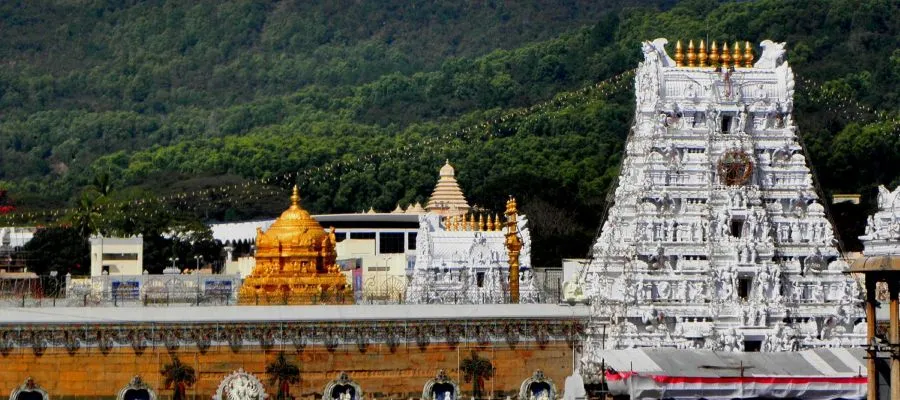
A key highlight of the Tirupati Balaji Temple is its golden tower above the main shrine. Clad in solid gold sheets gifted over centuries by followers, it glimmers vividly in daylight - reflecting abundance, sacredness, and lasting fortune. This radiant surface further marks the site’s standing among the wealthiest, most honored places of worship globally. The gopuram rests on a solid granite platform, adding strength while lifting the structure’s presence. Within, design follows Agama Shastra rules - each column, entrance, or chamber carries meaning. Heavy stone walls shield the inner space, keeping it calm and cool throughout hot months.
One well-known story tells how Lord Vishnu came down as Venkateswara, since he vowed to guard people in the Kali Yuga. A different version focuses on the deep link between Balaji and those who worship him - each gift given in Tirumala is said to go straight to the deity. Instead of being just a hilltop site, this place carries mythic weight. Some hold that the Seshachalam range represents Adisesha’s body - the cosmic snake carrying Vishnu through eternity. Old tales also account for odd traits at the shrine: why the statue sweats, flames never die out, or how the god's eyes stay veiled. These tales spark loyalty while linking followers to old celestial happenings. Be it the story of sacred union, the arrival of the image, or vows given to seer Bhrigu - each myth strengthens the shrine's inner meaning and lasting appeal.
The story of Lord Venkateswara starts with unrest in Vaikuntha. Due to his sharp nature, Sage Bhrigu struck Vishnu on the chest. Because of that, Lakshmi felt pain and moved to Earth. Since he missed her deeply, Vishnu took form as Srinivasa to find her. Srinivasa lived deep in the woods near Tirumala, later taking shelter inside a mound made by ants. There, Lakshmi - now born as Padmavati - met him again after many lifetimes. Because their bond was strong, they chose to unite through sacred vows under heavenly skies. Gods arrived from distant realms; wise hermits came too, along with luminous spirits of higher planes. Some say the event was immense beyond measure, forcing Vishnu to take gold from Kubera - with interest paid slowly across ages.
Cracking a coconut in Tirupati carries a significant spiritual meaning from old customs. Some believe it satisfies the god, removing hurdles ahead. Often, this practice represents offering a part of yourself to seek guidance - requesting not just for help but also strength and protection. On the hillside temple grounds, devotees smash boundless coconuts each day, producing a steady beat that teems the air. For some, it's deeply moving - a blend of relief, longing, and keen devotion. Still, visitors follow this practice, enriching their time at the temple with meaning.
Though the temple welcomes hundreds of thousands of devotees every day, the Tirupati Balaji Temple operates without any hassle. Thanks to meticulous preparation, advanced methods, also hard work by many staff and helpers in the temple. Instead of chaos, high-quality setups manage large crowds, maintain cleanliness, safety, and also allot places to rest. Separate routes, organized waiting spaces, together with timed entry facilities keep people moving without delays - especially when numbers rise. Medical centers offer care. Free food comes from the large Annaprasadam hall while the in charges maintain the areas tidy helping devotees feel at ease. Several screens guide people and transport shuttles move them around whereas help desks operate with multiple languages conversation to make people feel comfortable.
Tirumala Tirupati Devasthanams (TTD) is seen worldwide as a model for managing temples. Since its creation, it has handled religious ceremonies, finances, and community support. It runs everything connected to pilgrimages - starting from worship line management to meal delivery. Safety measures are maintained through structured protocols. Historic preservation also falls under its responsibilities.
TTD oversees numerous staff across several temples, schools, clinics, along with lodging centers. Technology plays a key role - biometrics, monitoring tools, web-based reservations replace traditional methods. These upgrades help maintain clear records, responsibility, while improving visitor visits.
One key aspect of TTD is its vast Annaprasadam hall - meals here are offered at no cost to each guest. Such large size, cleanliness, and smooth running have few parallels worldwide. Besides food, support reaches many households through aid initiatives, learning foundations, or community services run by TTD.
The online darshan booking system has transformed how people visit Tirupati. Before, worshippers stood for a long period or days in queue to get inside. But now, just a few taps let them choose their suitable time, opt for the kind of viewing, also organize travel without stress. The online method enables guests skip large crowds, gaining instead a slow pace exploration with clear timing. TTD keeps enhancing the system - navigation is simple, payments can be done online, confirmation comes immediately. Reserved spots for seniors, babies, and disabled people help everyone access darshan comfortably.
Tirupati Balaji Temple has many notable records. Among global religious spots, it sees between 50,000 and 1 lakh worshippers each day - higher numbers come during festive times. Its yearly count goes beyond 3 crore pilgrims. While widely known, its scale remains unmatched in regular attendance. Tirupati draws attention due to massive daily offerings, often totalling millions. Despite common belief, it's not just faith driving this flow - temple wealth grows steadily through golden gifts and sacred ornaments. One standout feature? The well-known Tirumala laddu, recognized with a geographical indicator status. Production runs into large numbers annually, simply because visitors keep asking for more. The temple trust also runs a major food service at no cost, among the biggest worldwide, while overseeing numerous lodging options like rooms, small houses, and shared sleeping areas. Tirupati tourist attractions also steal the spotlight which makes a visit to this temple even more fascinating.
Tirupati Balaji Temple pulls in crowds because of legends, strong faith, but also age-old rituals. People claim the idol gives off moisture, whereas lamps keep glowing - hints others tie to something beyond sight. Old practices mix with smooth management, reflecting devotion along with peace. Offerings from devotees stack high, standing for confidence instead of just riches. The well-known treat gives visitors a quiet joy, linking people through small honest joys. Yet voices rise along rocky trails, turning thoughts deep even with noise nearby. While hills circle close, they bring peace without showy charm. Still every part matters - not by standing out, but by being true.


Share This News