
No.4, Annai Avenue, Vasanth Nagar EXTN,
Srirangam, Trichy, Tamil Nadu ,620006.
CIN: U31100TN2010PTC078389
DUNS Number: 859496557


She begins as a whisper in the Himalayas and flows into the heartbeat of a nation. The River Ganges is not just a water body - it is faith, food, history, and hope rolled into one sacred flow. From ancient ghats to fertile fields, the Importance of River Ganga lies in how deeply it shapes life, belief, and culture across India, making it truly the lifeline of the country.
To the world, it is the River Ganges India, but to over a billion people, she is Maa Ganga —a mother, a goddess, and a living prayer. The story of this holy river Ganga, begins in the celestial heavens, where legend says she agreed to descend to Earth only after Lord Shiva promised to break her powerful fall with his matted hair. This divine Ganga origin sets the stage for a river that is considered the ultimate purifier of the human soul.
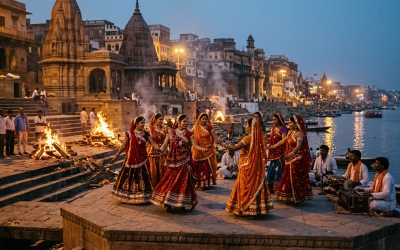
What makes the River Ganges sacred isn't just its mythological roots, but its spiritual presence in daily life. Whether it’s a pilgrim taking a "dip of faith" to wash away lifetimes of karma or families gathering at the Ganga Ghats for the mesmerizing evening Aarti, the river is a bridge between the physical and the divine. She is the Tripathaga—the one who flows through heaven, earth, and the underworld, reminding us that in the Ganges basin, every drop of water holds the promise of salvation.
The story of the River Ganges begins as a sacred promise. Its journey starts at the hallowed Ganga origin, where the Bhagirathi River emerges from the icy heart of the Gangotri Glacier in the Himalayas. This is where myth and mountain meet—a descent from heaven to earth, setting the stage for its epic flow.
From its Himalayan cradle, the Ganges carves its way onto the plains, creating the immense and fertile Ganges river valley. This is the Ganges basin, the very breadbasket of India, sustained by the river's nourishing path. It transforms into the country's lifeline, weaving through ancient cities, feeding vast farmlands, and flowing past revered Ganga ghats where millions find spiritual solace. To trace the course of the River Ganges is to follow the arc of Indian civilization itself—from the snow-clad peaks to the sprawling delta where it finally meets the sea.
Yet, this incredible journey of the holy river Ganga faces a modern paradox. While it remains the soul of a nation, its waters are burdened by severe pollution, a challenge that underscores the urgent need to protect this timeless flow.
High in the quiet Himalayas lies Gangotri, the sacred birthplace of the River Ganges, where ice, faith, and nature come together. This holy town in Uttarakhand is home to the Gangotri Glacier, whose snout—known as Gaumukh (resembling a cow's mouth) is where the river begins its journey as the Bhagirathi. For millions, this spot marks the true Ganga origin, believed to be the place where Goddess Ganga descended to Earth.
Surrounded by towering peaks and ancient silence, Gangotri holds deep spiritual meaning. Pilgrims visit to pray, take ritual dips, and feel close to the holy river Ganga, long before it reaches the busy plains. From here, the river flows down to Devprayag, where it becomes the Ganga and later nourishes the vast Ganges basin and fertile Ganges river valley.
From the icy silence of its Himalayan Ganga origin to the thunderous roar of the Bay of Bengal, the journey of the holy river Ganga is an epic tale written in water. It begins as a crystal-clear stream at Gangotri, carving its way through steep mountains before emerging onto the vast plains.
This is where its life-giving role truly unfolds. As it flows over 2,500 km, it weaves through the heart of the Ganges River valley, nourishing the entire Ganges basin. It transforms from a mountain river into a sacred artery of civilization, flowing past ancient Ganga ghats and bustling cities. Along the way, powerful tributaries join its course, swelling its waters until it splits and spreads across Bengal to form the world's largest delta, the majestic Sundarbans Delta.
The strength of the River Ganges lies in the powerful network of rivers that feed it. These tributaries flow in from the Himalayas and central India, shaping the fertile Ganges basin and supporting millions of lives along the way. The Yamuna is the largest and most important tributary, joining the Ganga at Prayagraj. Other major northern rivers like the Ghaghara, Gandak, Kosi, Gomti, and Ramganga bring glacier-fed waters from the mountains, while the Son flows in from the southern plateau.
Together, these rivers enrich the Ganges river valley, making it one of the most productive regions in River Ganges India. Beyond geography, they also hold cultural value, flowing past sacred cities and historic centers.
The River Ganges is not just a river in India—it is a living symbol of faith, devotion, and spiritual hope. Revered as Ganga Maa, the holy river Ganga is believed to carry divine power that cleanses sins and heals the soul. For millions, a dip in its waters is more than a ritual; it is a moment of deep connection with the divine. This belief makes the river Ganges sacred, especially in spiritual cities like Varanasi, Haridwar, and Rishikesh, where daily prayers and glowing Ganga Aarti light up the riverbanks.
Rooted in ancient mythology, the Ganga origin is linked to her descent from Heaven to Earth to purify humanity. From birth rituals to final rites, the Ganga plays a central role in Hindu life, guiding souls toward peace and moksha. Flowing through the vast Ganges basin and the historic Ganges river valley, her spiritual influence touches every stage of life. This deep faith explains the timeless importance of River Ganga in River Ganges India, making her both a divine mother and a sacred lifeline.
In Hindu mythology, the River Ganges is far more than flowing water—it is a living goddess known lovingly as Ganga Maa. Believed to have descended from heaven to Earth, her arrival is tied to the powerful penance of King Bhagiratha, who prayed for her waters to free his ancestors’ souls. To protect the world from her mighty force, Lord Shiva gently caught Ganga in his matted locks and released her calmly, allowing life to flourish.
This divine story explains why the holy river Ganga is seen as a source of purity, forgiveness, and salvation. Bathing in her waters is believed to wash away sins, while immersing ashes in the river helps souls attain moksha. Flowing through the historic Ganges river valley, her mythological roots deeply shape the importance of River Ganga in River Ganges India. Even today, her sacred presence continues to guide faith, rituals, and spiritual life across generations.
Every sunrise along the River Ganges begins with a sacred act of devotion. For millions, the simple ritual of Ganga Snan, or the holy bath, is a daily renewal of faith, believed to wash away impurities of both body and soul. This practice isn’t confined to daily life; it blossoms into grand celebrations that paint the Ganges river valley with vibrant devotion.
The river becomes the ultimate pilgrimage site during magnificent festivals like the Kumbh Mela, where humanity gathers in one of the largest peaceful congregations on Earth. Similarly, Ganga Dussehra commemorates the river's descent to earth. On these days, the iconic Ganga ghats transform into a spectacle of light, sound, and unwavering belief, as lamps float and prayers rise with the evening Aarti. These bathing rituals and festivals are the living pulse of the sacred Ganges, showcasing its deepest importance not just as water, but as a divine thread weaving through the spiritual fabric of India.
The Kumbh Mela is a breathtaking celebration of faith, centered on the River Ganges, and is known as the largest peaceful religious gathering on Earth. Held at sacred river confluences, especially the Triveni Sangam (the confluence of the Ganga, Yamuna, and the mythical Saraswati) in Prayagraj, millions of devotees gather to take a holy dip in the river Ganges sacred waters. This ritual bath is believed to cleanse sins and guide the soul toward salvation.
Rooted deeply in ancient tradition, the festival follows precise astrological timings and returns every twelve years as the Maha Kumbh. The sheer scale of the event is awe-inspiring—entire temporary cities rise along the riverbanks, filled with saints, pilgrims, and seekers from across the world. Recognized by UNESCO, the Kumbh Mela highlights the importance of River Ganga in Indian spiritual life and reflects how the Ganges river valley continues to unite faith, culture, and humanity in an extraordinary way.
Beyond its spiritual aura, the River Ganges is the undeniable economic engine of Northern India. The entire Ganges river valley, enriched by its fertile silt, forms one of the world's most productive agricultural belts. It's the literal breadbasket of the nation, irrigating vast fields of rice, wheat, and sugarcane that feed a significant portion of the population, highlighting a core pillar of its importance.
But the river’s role doesn’t stop at the farm’s edge. It serves as National Waterway-1, a natural transport artery for bulk goods, powers homes through hydroelectric projects, and sustains countless fishing communities. Perhaps most visibly, its status as the holy river Ganga fuels a massive pilgrimage economy. The constant flow of devotees to sacred Ganga ghats and mega-events like the Kumbh Mela generates immense revenue, supporting hotels, guides, and local artisans. This intricate web of agriculture, transport, energy, and tourism underscores a simple truth: the vitality of the Ganges basin is directly tied to the economic well-being of millions. Protecting this lifeline from mounting pollution is thus not just an environmental or spiritual duty, but a critical economic necessity for India.
The River Ganges has shaped agriculture in North India for centuries, making the vast Ganges river valley one of the most fertile regions in the world. Each year, the river spreads nutrient-rich alluvial soil across its floodplains, creating ideal conditions for growing staple crops like rice, wheat, and sugarcane. This dependable water source supports extensive irrigation networks and sustains millions of farmers, highlighting the true importance of River Ganga in India’s food system.
However, this lifeline is under pressure. Heavy dependence on water-intensive crops, large canal diversions, and chemical runoff from farms are increasing pollution in river Ganga and reducing its natural flow. To protect both farming and the river itself, sustainable irrigation, efficient water use, and eco-friendly practices are essential. Balancing agriculture with river health is key to keeping the River Ganges India productive for generations to come.
Fishing has long been a quiet yet powerful livelihood linked to the River Ganges India, supporting millions of families living along its banks. For many communities in the Ganges basin, fishing is daily survival. From catching native fish species to selling them in local markets, the river provides food, income, and dignity, often contributing a major share of household earnings.
However, this lifeline is under strain. Rising pollution in river Ganga, dams, and declining fish populations have made fishing uncertain, forcing many families to look for secondary jobs. Still, the importance of River Ganga remains undeniable, as efforts like river ranching and sustainable fishing practices are helping revive hope. Protecting the river means protecting these livelihoods too. When the Ganga flows clean and healthy, it continues to nourish not just the land, but the lives of those who depend on it every day.
For centuries, the River Ganges India has been more than a sacred stream—it has been a natural highway for trade and travel. Long before roads and railways, goods moved along the Ganges river valley, helping cities like Varanasi, Patna, and Kolkata grow into major trade hubs. From grains and textiles to ideas and cultures, the river quietly connected regions and people.
Today, this historic role is making a comeback. Through National Waterway-1, the river is being revived as a modern transport route, moving cargo like food grains and agricultural produce at lower costs. This highlights the importance of River Ganga not only in spiritual life but also in boosting trade, livelihoods, and sustainable transport. When the Ganga flows as a waterway, it carries both tradition and progress together.
Flowing through the heart of North India, the River Ganges India has shaped some of the country’s most historic and culturally rich cities. From the spiritual aura of Haridwar and Varanasi to the historical depth of Prayagraj, Rishikesh, and Kolkata, these cities grew along the Ganges river valley, drawing life, trade, and faith from its waters.
Each city on the banks of the river Ganges sacred reflects a unique chapter of Indian history—ancient learning centers, powerful kingdoms, colonial influence, and timeless spiritual traditions. The importance of River Ganga goes far beyond geography; it has guided settlement, inspired devotion, and nurtured culture for centuries. Even today, the bustling Ganga Ghats, temples, and riverfronts remind us how deeply the river is woven into everyday life, making these cities living museums of India’s past and present.
Haridwar, nestled at the foothills of the Himalayas, is where the River Ganges India leaves the mountains and begins its journey across the plains. Known as the “Gateway to Ganga,” this ancient city holds deep spiritual meaning and beautifully reflects the importance of River Ganga in everyday Hindu life. Pilgrims gather here to take a holy dip in the river Ganges sacred waters, believing it cleanses sins and brings inner peace.
The heart of Haridwar lies at Har Ki Pauri, one of the most famous Ganga Ghats, where the evening Ganga Aarti lights up the river with glowing lamps, chants, and ringing bells. The sight is both calming and powerful, drawing devotees and travelers alike. From hosting the grand Kumbh Mela to its timeless rituals, Haridwar perfectly blends faith, tradition, and the living spirit of the Ganga.
Varanasi, often called the spiritual capital of India, rises timelessly along the banks of the River Ganges India, where faith flows as steadily as the sacred waters. Believed to be one of the world’s oldest living cities, Varanasi is deeply tied to the importance of River Ganga in Hindu belief. Pilgrims come here to bathe in the holy river Ganga, convinced that its waters cleanse sins and that departing this world in Varanasi leads to moksha.
The city’s iconic Ganga Ghats, especially Dashashwamedh and Manikarnika, are alive day and night with rituals that celebrate both life and death. The evening Ganga Aarti, with glowing lamps and rhythmic chants, is a powerful experience that stays with every visitor. In Varanasi, the River Ganges is the soul of the city itself.

Allahabad, now known as Prayagraj, is lovingly called the Sangam City for being the sacred meeting point of the River Ganges, the Yamuna, and the mythical Saraswati. This divine confluence, known as the Triveni Sangam, holds unmatched spiritual value and highlights the deep importance of River Ganga in Indian culture. Pilgrims believe that a holy dip here washes away sins and brings spiritual renewal.
Prayagraj comes alive during the Kumbh Mela, the world’s largest religious gathering, where millions gather along the Ganga Ghats to seek blessings from the River Ganges sacred waters. Beyond spirituality, the city reflects a rich blend of history, poetry, and architecture, with ancient temples standing close to Mughal-era forts. Flowing through the heart of Prayagraj, the Ganga shapes the city’s soul, making it a timeless center of faith and heritage.

Rishikesh, nestled in the Himalayan foothills, is globally known as the Yoga Capital of the World, and the River Ganges is at the heart of its calm, spiritual charm. Flowing fresh and clear here, the holy river Ganga creates the perfect setting for yoga, meditation, and inner reflection. For centuries, sages and seekers have gathered along its banks, making the city a natural center of spiritual learning.
Ashrams, temples, and peaceful Ganga Ghats line the river, while iconic bridges like Lakshman Jhula add to the city’s character. Rishikesh also blends spirituality with adventure offering white-water rafting and nature walks in the beautiful Ganges river valley. This unique balance highlights the importance of River Ganga, not just as a sacred river, but as a source of peace, energy, and renewal for people from around the world.

Kolkata stands proudly along the Hooghly River, a major branch of the River Ganges, where history, culture, and commerce flow together. As the former colonial capital, the city grew around this lifeline, using the river for trade, transport, and daily life. Even today, ferries, old ghats, and riverside markets reflect the deep bond between Kolkata and the holy river Ganga.
Just beyond the city lies Gangasagar, where the River Ganga finally meets the Bay of Bengal. This sacred confluence holds immense spiritual value, drawing thousands of pilgrims every year for a holy dip. From busy ports to quiet rituals, Kolkata beautifully shows the importance of River Ganga—not just as a sacred river, but as a force that shaped life, livelihood, and culture across the Ganges basin.
The River Ganges India is lined with sacred ghats that reflect faith, history, and everyday life. Each ghat has its own story and spiritual role, making the riverbank a living heritage.
The River Ganges India is home to a rich and vibrant ecosystem that supports life across the vast Ganges basin. From the endangered Gangetic dolphin gliding through its waters to gharials, turtles, fish, and migratory birds along its banks, the river sustains remarkable biodiversity. Its fertile floodplains nurture wetlands, forests, and thousands of plant species that support farming and traditional medicine. This living system also provides essential services like water purification and nutrient recycling, showing the true importance of River Ganga beyond faith. However, growing pollution in River Ganga, dams, and habitat loss threaten this balance. Protecting the river’s biodiversity means safeguarding livelihoods, culture, and the health of one of the world’s most unique river ecosystems.
The Gangetic Dolphin, also called Susu, is one of the most unique and endangered creatures living in the River Ganges India. Found in the freshwater stretches of the Ganges basin, this dolphin is India’s National Aquatic Animal and a true symbol of the river’s health. Almost blind, it navigates the muddy waters using echolocation, proving how perfectly it has adapted to the sacred river system.
These dolphins play a vital role in maintaining ecological balance, making them an important indicator of the importance of River Ganga and its ecosystem. Sadly, their numbers are declining due to pollution in River Ganga, dams, accidental trapping in fishing nets, and habitat loss. Once spread across the entire Ganges river valley, they are now confined to fewer safe stretches.
Protecting the Gangetic Dolphin means protecting the river itself. Saving this gentle species is not just about wildlife—it’s about preserving the life, culture, and future of the river Ganges sacred to millions.
The River Ganges India, revered as a lifeline and a symbol of faith, is today facing serious environmental stress. One of the biggest concerns is pollution in River Ganga, caused by untreated sewage from growing cities, industrial waste, farm runoff, plastic, and ritual offerings. As the river flows through the densely populated Ganges river valley, the pressure on its waters keeps increasing.
Reduced natural flow due to dams and barrages makes the problem worse, allowing pollutants to concentrate and harm aquatic life. This affects not only sacred sites and Ganga Ghats, but also livelihoods like fishing and farming that depend on clean water.
Protecting the river Ganges sacred to millions requires more than clean-up drives. It needs better waste management, improved treatment systems, and public awareness. Preserving the river’s health is essential to safeguard the true importance of River Ganga for future generations.
The River Ganges India, worshipped as a life-giving force, is today under serious threat due to multiple sources of pollution. The biggest contributor to pollution in River Ganga is untreated sewage from towns and cities along the Ganges river valley, where millions depend on the river every day. Industrial waste from tanneries, textile units, and chemical factories adds toxic and non-biodegradable pollutants to its waters.
Agricultural runoff carrying fertilizers and pesticides further degrades water quality. Religious practices also play a role—offerings, ritual waste, and partially cremated remains are often released into the holy river Ganga, especially near crowded Ganga Ghats.
Understanding these pollution sources is crucial to protecting the river’s health and preserving the true importance of River Ganga for future generations.
Namami Gange – Clean Ganga Mission is India’s bold step toward protecting the River Ganges, the lifeline of millions. Launched in 2014, this flagship initiative focuses on reducing pollution in River Ganga while restoring its natural flow, beauty, and cultural value. The mission works on treating sewage, controlling industrial waste, cleaning river surfaces, and reviving ecosystems across the Ganges basin.
Beyond infrastructure, Namami Gange highlights the importance of River Ganga through community participation, awareness campaigns, and riverfront development near major Ganga Ghats. Afforestation, biodiversity protection, and sustainable use of water resources are also key priorities.
More than a cleaning drive, the mission respects the river Ganges sacred status while balancing tradition with responsibility. Namami Gange reminds us that saving the river is a shared duty toward our environment and heritage.
Protecting the River Ganges India has become a national priority, and several government initiatives are working toward this shared goal. Programs like Namami Gange focus on reducing pollution in River Ganga by building modern sewage treatment plants, monitoring industrial discharge, and improving waste management across cities in the Ganges basin.
Conservation efforts also include cleaning river surfaces, restoring wetlands, and protecting wildlife such as the Gangetic dolphin. The government is actively developing eco-friendly Ganga Ghats, promoting afforestation along riverbanks, and encouraging sustainable farming practices in the Ganges river valley.
Equally important is public participation. Awareness campaigns, community-led clean-ups, and village-level programs remind people of the importance of River Ganga as both a sacred river and a vital source of life. Together, these efforts aim to preserve the river for future generations.
The River Ganges India is a living symbol of India’s cultural soul. For centuries, life in the Ganges river valley has revolved around faith, tradition, and community. Sacred cities like Varanasi, Haridwar, Prayagraj, and Rishikesh are lined with ancient Ganga Ghats, where daily rituals, prayers, and cremation rites reflect deep spiritual beliefs.
Festivals such as the Kumbh Mela and the evening Ganga Aarti bring millions together, highlighting the importance of River Ganga as a unifying force. Along its banks stand historic forts, temples, monasteries, and towns that preserve stories of Hindu, Buddhist, and Islamic heritage. Traditional music, crafts, and local industries also flourish here, shaped by the river’s presence.
Revered as a river Ganges sacred to millions, the Ganga continues to inspire devotion, culture, and timeless traditions passed down through generations.
Protecting the River Ganges India is not just the government’s job—it’s a collective responsibility. Every individual can contribute to protecting India's lifeline. Simple steps like reducing plastic use, avoiding chemical detergents, and never dumping waste into drains can significantly lower pollution in river Ganga. Choosing eco-friendly products, especially for religious offerings near Ganga Ghats, also makes a big difference.
You can go a step further by joining river clean-up drives, supporting NGOs working in the Ganges basin, or spreading awareness in your community. Talking about the importance of River Ganga with family, friends, and even local leaders helps build a shared sense of responsibility. Conserving water at home and supporting stronger pollution laws also play a role.
When small individual actions come together, they help protect the lifeline of the Ganges river valley for future generations.
As we’ve journeyed together from the snowy peaks of Gangotri to the vast delta at Gangasagar, one truth stands clear: the River Ganges is far more than a river. It is India’s soul—a sacred lifeline that nourishes fields, fuels faith, and cradles civilization. Its importance spans the spiritual, the economic, and the ecological, binding the past to the present.
Yet, this timeless flow faces a defining moment. The challenges of pollution and ecological strain remind us that reverence must translate into action. The path forward lies in our collective hands—through supportive government initiatives, mindful daily choices, and a shared commitment to conservation.
Preserving the Ganga is not an option; it is a duty to our heritage and a promise to our future. Let’s ensure that this mother river, this heartbeat of a nation, continues to flow with purity and strength for generations to come. After all, to protect the Ganga is to protect India itself.

Share This News