
No.4, Annai Avenue, Vasanth Nagar EXTN,
Srirangam, Trichy, Tamil Nadu ,620006.
CIN: U31100TN2010PTC078389
DUNS Number: 859496557

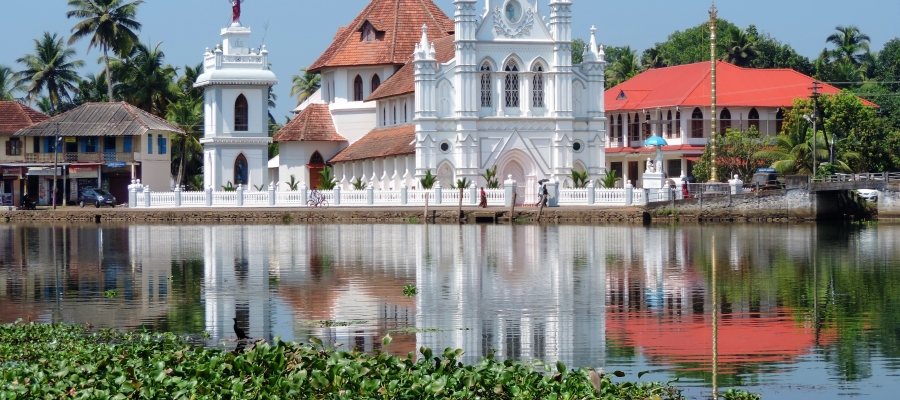
India is very popular worldwide for temples, mosques, and gurudwaras - but its grand churches makes it even more famous as churches in India carry equal weight in reflecting spiritual depth, colonial layers, and artistic mastery. Across the nation lies some of significant standout Christian sites: 16th-century Portuguese-style basilicas in Goa as well as majestic Neo-Gothic edifices nestled in the Himalayan towns. Such holy sites go beyond worship as they act like open archives narrating stories about India's enduring engagement with Europe. For pilgrims, lovers of ancient building styles, or those curious about customs visiting popular Indian churches offers a vivid path across eras, creative expression, and inner contemplation.
India's churches reflect varied cultures, impressive designs, or quiet devotion. Exploring these sites reveals how Christianity developed differently - through Syrian traditions on the Malabar Coast, Portuguese heritage in Goa, even British-era buildings in former colonial towns. These places function as calm spaces meant for contemplation, worship, sometimes stillness, drawing visitors from afar. Set amid beautiful landscapes, marked by detailed artistry, tied to key moments in history, they appeal strongly to those wanting meaningful journeys.
Every church in India narrates a unique story across time. While some highlight Baroque designs with golden details, others show Gothic curves from old European styles. These sacred sites display not only structural skill but also saintly remains, ancient wall paintings, and graves of sea pioneers. Because of this blend, tourist often find faith, craft, and history connected deeply.
India's Christian roots grew gradually in various ways from state to state. Goa reflects traces of Portuguese heritage through majestic basilicas alongside arched churches. Kerala shows ancient Syrian Christian traditions together with buildings from the colonial period influenced by Europeans.
Tamil Nadu blends Dravidian seaside customs with Roman Catholic design incorporating elements from both, yet keeping each unique through subtle contrast. Northeast India includes hilltop churches, molded by local tribal customs. Maharashtra, along with Karnataka, maintains ancient sites from colonial-era alongside vibrant regional populations; Telangana does likewise.
Explore Our Kerala Churches Tour Package
Below lies a thoughtfully selected lineup of India’s most notable churches - each home to remarkable design, deep faith, or rich heritage, drawing countless travelers annually due to their enduring impact.
The Basilica of Bom Jesus, situated in India, is renowned by UNESCO due to its cultural significance. Completed in 1605, this church houses the relics of St. Francis Xavier which turns this place as a significant Christian site for people over the globe visiting here. Instead of ornate designs and decoration its beauty lies in minimal elegance curved front design, golden shrines, and polished stone floors. Because of both faith-based significance and past relevance, it stands out as a unique attaction for those touring Goa's places of worship.
The Se Cathedral, dedicated St. Catherine is regarded as the Asia's biggest churches and reflects clear Portuguese-Manuleine design traits. Completed by 1640, this church distinguishes itself due to the most impressive Golden Bell, intricate woodwork inside, together with a huge space for worship that leaves tourists moved. With painted white walls and serene areas nearby this site cater to people wishing quiet reflection during visits to Goa’s old religious buildings.
One of India’s oldest and finest churches, Santa Cruz Basilica located in Fort Kochi melds Indo-European with Gothic design. With elevated spires, vibrant wall art, also intricate altars, this church reflects Kerala's deep Christian roots. Initially built first by the Portuguese around 1505, then named a basilica years after, now it flourishes as a hub for faith and tradition. Colourful bright stained glass attracts admirers, especially those keen on exquisite buildings.
Constructed above the grave of St. Thomas, San Thome Basilica stands among just three significant churches worldwide situated on an apostle's burial site. With its elevated spires, Gothic-style design, while offering serene spaces inside the premises it invites many visitors every year. Inside the church there is also a small museum that houses artifacts connected to the saint. Thomas, offering visitor insight into ancient Christian roots in India - its tranquil vibe remains a peaceful retreat amid Chennai’s bustling streets.
Medak Cathedral ranks among one of the Asia’s biggest churches - also a stunning example of Gothic Revival design. Completed in 1924, it stands unique due to enormous stained-glass panels depicting moments from the life of Jesus Christ. Built with regional materials, it was made to withstand extreme heat, blending craftsmanship with functional design. With its stunning look, tranquil green spaces, together with rich background, it becomes essential place while touring popular churches in India
preached on a hill above the Arabian Sea, Mount Mary Basilica remains as a significant religious site in Mumbai. While hosting crowds every year at the Bandra Fair, it also serves as a place of comfort and recovery. Though constructed in a partial Gothic style, its tranquil spaces inside the premises overlooking the ocean offers serene moments for prayer and reflection Because of this blend, the church reflects both local variety and active Christian customs across the city.
St. Francis Church is regarded among the earliest European houses of worship in India, which holds enduring historical value. Built in 1503, it originally housed the remains of Vasco da Gama's until it was shifted to Portugal later on. Featuring elegant timber-lined halls and a sloped tiled roof, this church is distinguished by the tombstones of its colonial-era. Its design reflect how locals first interacted with Western arrivals. Now this church still speaks quietly about India’s seafaring past while remaining as an important historic site in India
St. Mary’s Basilica is Bengaluru's earliest church - also the first one in Karnataka to gain the basilica rank. Renowned for its elevated Gothic design, vibrant stained glass, alongside a yearly St. Mary's Feast in September, it reflects intense religious energy. Its serene prayer rooms invites visitors along with residents, offering relief within the bustling city scene. This place of worship stands as a stunning symbol of Christianity in Karnataka.
Christ Church in Shimla stays an enduring symbol of colonial architecture located in the Himalayan landscape. Constructed in 1857, it highlights stunning Neo-Gothic elements, vibrant stained glass, while elevating above the Mall Road with a majestic clock tower. Located among the fog-draped slopes and thick pine woods, its strategic position itself delivers stunning views - ranking it among the most visually captivating churches in India. With serene beauty combined with rich history, visitors arrive here from every corner of the globe.
Velankanni Church is one of India’s key Christian pilgrimage sites - Often referred to as the “Lourdes of the East.” Despite being renowned for its miraculous healings, it welcomes thousand of visitors annually becoming the most visited pilgrim centres in India. With bright white exteriors, meticulously maintained gardens and also a deep sense of spirituality, it carries notable importance. Annual Feast of Our Lady of Health celebrated for 10 days from end of august to the middle of September involves processions, local fair and dance turning the spiritual aura into a joyful celebration
Top churches in India highlight diverse designs - some depict Baroque flair, others showcase Gothic touches; concurrently, traces of Neo-Gothic appear alongside colonial influences Tall ceilings, curvy entrances, round stained-glass panels painted surfaces, also detailed wooden carvings altars - every element transforms the church into an exceptional art work.
Architectural styles in Churches of India reflect craftsmanship from Portuguese, Dutch, French, or British builders - melding regional features with European influences.
Numerous churches keep remains of sacred figures, missionaries - guarding long-standing Christian traditions through time.
They significantly contributed to societal growth learning initiatives, or spiritual expansion across India.
Pilgrims see these landmarks as hub for recovery, spiritual gifts, or unexpected wonders.
Churches in India operates as a center for spiritual practice, inviting huge crowds during festivals such as Christmas, Easter, or regional celebrations.
Rituals, together with novenas, welcomes energy to worship spaces - processions strengthens the sense of journey for tourists and those seeking faith moments.
Found throughout India - coastal areas such as Goa, and cities like Mumbai, tech hubs including Bengaluru, or mountain areas like Shimla.
Pilgrimage sites like Velankanni blends faith with shared festivity. While some focus on prayer, others relish cultural events together. These places invites crowds seeking connection or meaning. The different terrains enrich the depth to how every church in India looks and feels culturally significant when you visit
Readmore our South india Church Tour
Indian Panorama crafts immersive tour experience that links tourists with India’s top churches, offering insight into centuries-old faith, architecture, and cultural heritage.
Rather than following conventional routes, tourists are guided by proficient local narrators who explain church history, religious importance architectural styles, and the stories behind holy relics.
Tourists can explore significant events, feast days, and local church festivals, experiencing the thriving traditions of Christian communities across India.
The experience melds meticulous planning with deep regional knowledge, making each journey personal, engaging, and culturally enriching.
As a top-rated travel planner, Indian Panorama offers tailored itineraries crafted by local specialists to suit each tourists interests and choices.
Their expertise assures hassle-free logistics across multiple destinations, from transportation and timing to guided visits inside ancient basilicas and cathedrals.
Focus remains on meaningful cultural involvements helping tourists understand faith, devotion, and artistry rather than just ticking off sites
Guests receive hands-on support throughout the tour, ensuring comfort, clarity, and confidence at every stage of their church-hopping journey.
Indian Panorama travel Packages include comfortable accommodations, access to guided tours inside prominent churches, and chances to witness festivals or religious rites offering a complete and memorable Christian pilgrimage experience.
The most popular churches in India are just only impressive in design - they reflect strong faith, endurance across numerous generations. If you’re attracted to Goa’s seaside beauty, Kerala’s ancient Christian heritage, colonial-era traces discovered in mountain towns, or the deep devotional vibe at Velankanni, these sites offer experiences that shift both emotion on one hand, and spiritual insights on another. Visiting these top churches in India blends rich background, personal belief systems along with excellent craftsmanship - so they stand out as meaningful spots for everyone

Share This News