
No.4, Annai Avenue, Vasanth Nagar EXTN,
Srirangam, Trichy, Tamil Nadu ,620006.
CIN: U31100TN2010PTC078389
DUNS Number: 859496557

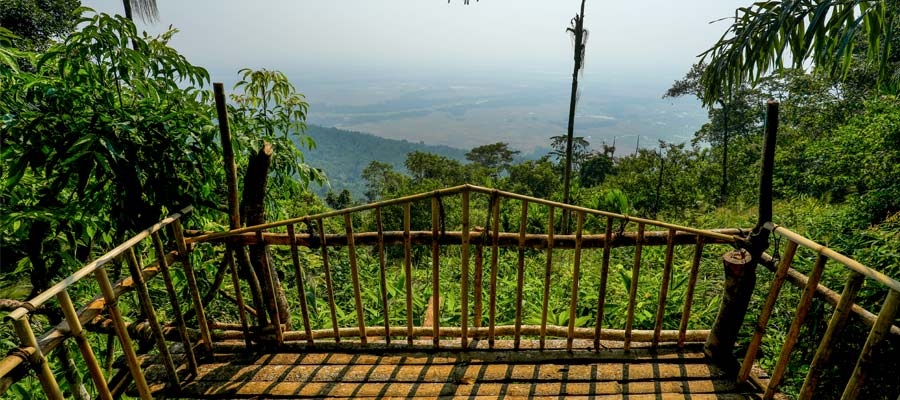
Tucked away in the emerald hills of Northeast India, Meghalaya – the “Abode of Clouds” – is a land where rain doesn’t just fall, it defines life. During the monsoon, this enchanting state transforms into a living watercolour, with thundering waterfalls, mist-wrapped valleys, and rivers bursting with energy. While most travelers avoid rainy destinations, Meghalaya in monsoon is just the opposite – it’s the season when nature is at its most breathtaking.
At the heart of this magical landscape lies Mawsynram, the world’s wettest place, where clouds descend to kiss the earth and showers breathe life into every leaf, stream, and stone. For those seeking offbeat monsoon tourism in India, this tiny village is more than a destination – it’s an unforgettable experience of rain, rhythm, and raw beauty.
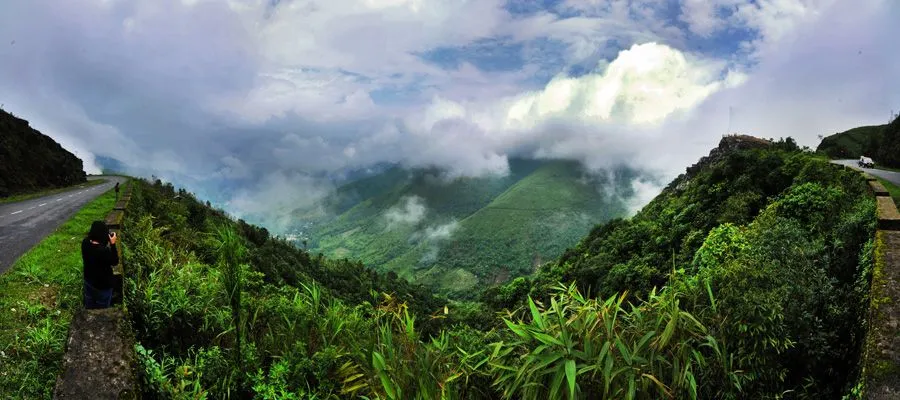
For most of us, a rainy day means cozying up with a warm drink or enjoying a quick stroll in the drizzle. But imagine if it rained not just for a day, but continuously for weeks, even months! That’s everyday life in Mawsynram, Meghalaya’s rain capital, where the monsoon arrives and never really leaves until the season is over.
But here, rain isn’t just weather - it’s a way of life. The people of Mawsynram, Meghalaya, have adapted beautifully, making umbrellas and raincoats their constant companions. The endless downpour nurtures lush greenery, vibrant orchids, and cascading waterfalls that transform this little village into a paradise for nature lovers.
Set against the majestic Khasi Hills of Meghalaya, Mawsynram is a sanctuary for nature lovers and a prime spot for offbeat travel. Beyond its climatic distinction, the village enchants with its ethereal beauty. Misty roads, roaring waterfalls, blooming flora, and sweeping green landscapes make Mawsynram one of the most enchanting places in India to visit in the monsoon season.
Whether you’re a rain lover, an adventurer, or someone chasing unique travel experiences, our Mawsynram travel guide will lead you into a world where rain rules, nature thrives, and magic lingers in every drop. Truly, one of the top monsoon destinations in India, you simply can’t miss it.
Mawsynram, a tiny village in the East Khasi Hills of Meghalaya, proudly holds the Guinness World Record for the highest average annual rainfall at a staggering 11,871 mm (467 inches). Have you ever wondered why Mawsynram gets so much rain? In a place where a single day's rainfall can surpass what some cities receive in a year, the answer lies in a fascinating combination of geography and climate. For a traveler, understanding this reason only adds to the magic of visiting the world's wettest place.
The incredible rainfall in Meghalaya’s Mawsynram, is a direct result of a phenomenon known as orographic rainfall. To put it simply, it's a battle between moist monsoon winds and the mighty Khasi Hills. The journey begins in the Bay of Bengal, which acts as a vast reservoir for the warm, moisture-laden winds of the monsoon season. As these winds travel northward, they are funnelled into a narrow, funnel-shaped depression in the Khasi Hills. This unique geological formation traps the air, preventing it from escaping. With nowhere to go, the humid air is forced to rise. As it ascends the steep slopes of the Khasi Hills, it cools down rapidly. This cooling causes the water vapour to condense into clouds and, with no other option, to release all their accumulated moisture over the small village of Mawsynram. This constant process is the reason behind Mawsynram’s legendary status. With over 70% of its annual rainfall occurring during the monsoon, the region is a spectacular sight for monsoon tourism. In fact, in 2022, Mawsynram broke its own record by receiving more than 1,000 mm of rain in just 24 hours - that’s more rain in a single day than Delhi sees in an entire year!
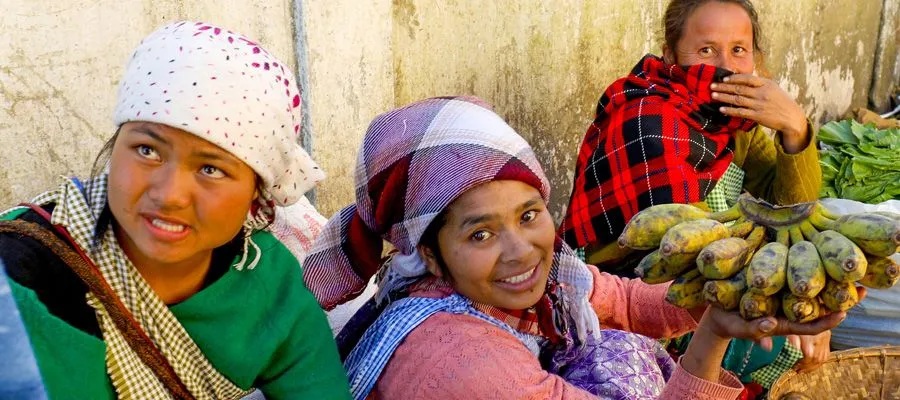
Life in Mawsynram is unlike anywhere else on the planet. Here, the rain is not a disturbance but a way of life. From mist-draped hills to roaring waterfalls, the scenery is breathtaking, but surviving daily life in such extreme weather demands innovation, adaptability, and an unbreakable community spirit.
The people of Mawsynram have mastered living in harmony with the rain. One of their most ingenious creations is the bamboo umbrella called Knup - a full-body, turtle-shell-shaped rain cover made of bamboo, broom grass, and plastic sheets. Lightweight and hands-free, it allows villagers to farm, garden, and carry out chores even during torrential downpours.
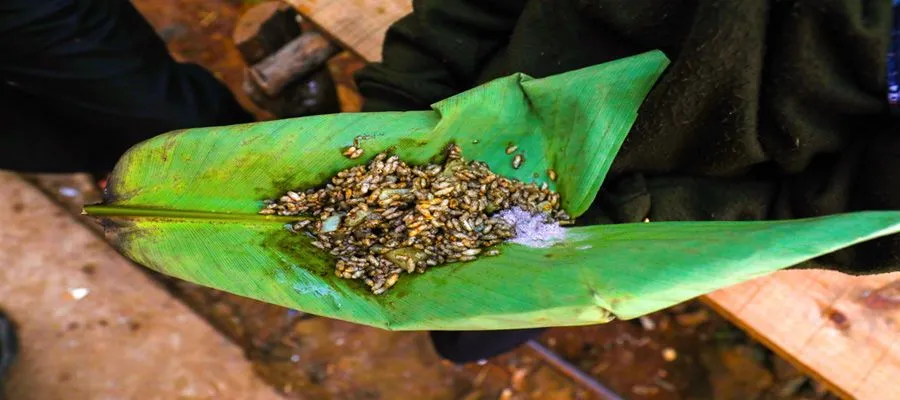
The Mawsynram lifestyle is simple yet resourceful. To withstand thunderous rain, villagers build sturdy, grass-covered, soundproof roofs that mute the deafening roar of rainfall. Yet, these roofs need frequent repairs, and every winter, families prepare by fixing damaged homes, gathering firewood, and stockpiling food for the relentless monsoon months of May to July. With schools and public activities often suspended during the monsoon season, indoor games like carom and cards keep spirits high.
The cuisine of Meghalaya is deeply influenced by the weather. During prolonged rains, locals enjoy hearty traditional dishes like Jadoh, Doh-neiiong, Tungtap, Pumaloi, Pu Sla, & Pukhlein. Rice is the staple, often paired with fish, meat, and seasonal vegetables. And for warmth during damp evenings, many enjoy Kyat, a locally brewed rice beer.
Mawsynram residents have also crafted living root bridges, woven from tree roots, which grow stronger over time and provide safe passage during floods and landslides. These bridges are living symbols of sustainable ecological engineering unique to Meghalaya.
Living in the wettest inhabited place on Earth comes with challenges - frequent landslides, flooding, and even shortages of potable water despite the abundance of rain. Yet, the community spirit, deep cultural traditions, and adaptability of the people make life in Mawsynram truly extraordinary.
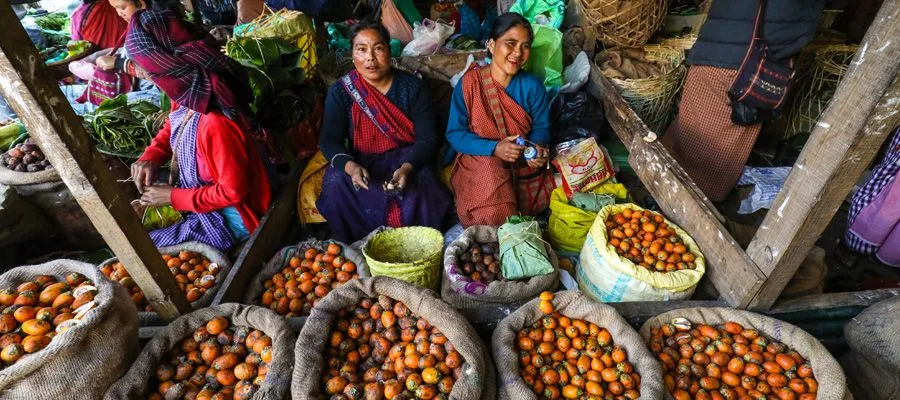
The magic of Mawsynram lies not just in its mist-covered hills and roaring waterfalls but in its warm-hearted people. Life here feels slower, more connected, and deeply rooted in Khasi culture, which sets this region apart from the rest of India.
Most of the people of Mawsynram are from the Khasi community, the indigenous tribe that has called the Khasi Hills of Meghalaya home for centuries. The majority of the population follows Christianity, and you will find charming churches nestled against misty hillsides, adding a serene charm to this rain-soaked village. The Khasi people speak the Khasi language, making this corner of Meghalaya feel refreshingly unique. Unlike most parts of India, you will find very few Hindi or English speakers here. Yet, this is what makes the experience so special - when you walk through the rain-soaked streets of Mawsynram and greet a local with a simple “hello,” you are sure to receive a warm smile in return.
Despite the language gap, travelers in Mawsynram never feel like outsiders. The people are friendly, welcoming, and always ready to help. To truly understand the soul of Mawsynram, you need to slow down, interact with the locals, and immerse yourself in their way of life. Whether it’s learning about their matrilineal traditions, savouring Khasi cuisine, or listening to their folk stories, every interaction makes you feel a part of this rain-soaked paradise.
Talking to the locals, visiting their homes, and experiencing their festivals like Shad Suk Mynsiem and Nongkrem will give you a deeper connection to this land. This is what makes offbeat Meghalaya travel so rewarding: you don’t just see the place, you feel it.
In Mawsynram, nature is not just admired – it is worshipped. The Khasi people practice animism, honouring rivers, trees, and mountains as sacred, believing their well-being is tied to the land’s natural cycles. The endless monsoon rains of Meghalaya are seen as a divine blessing, nourishing the soil and keeping the hills lush and alive. This deep spiritual connection inspires sustainable living, conservation of forests, and a lifestyle that celebrates the harmony between humans and nature, making Mawsynram tourism a truly soulful experience for travelers seeking authentic eco-tourism in India.
The best time to visit Mawsynram is during the monsoon season (June to September) when the village transforms into a lush paradise with misty hills, roaring waterfalls, and fresh, rain-washed greenery. If you prefer clearer skies and easier travel, visit between October and April, when the weather is cool and pleasant, perfect for sightseeing and exploring Meghalaya’s iconic natural wonders. With average temperatures ranging from 10°C in January to 20°C in August, Mawsynram is an all-year-round destination for nature lovers and monsoon tourism enthusiasts.
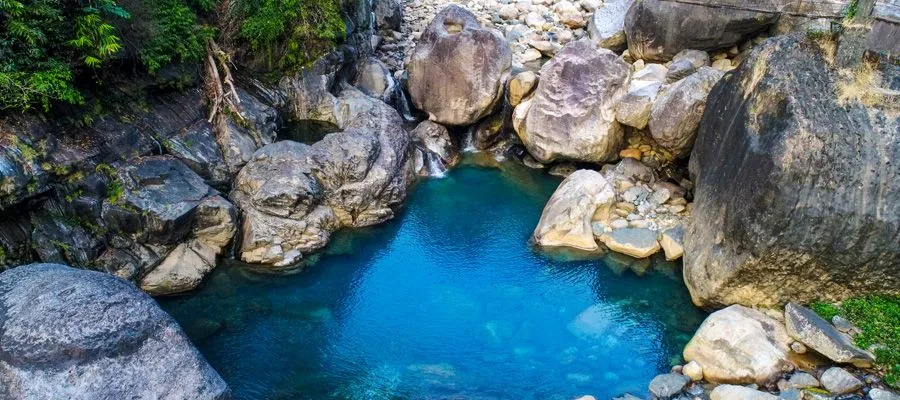
Explore the awe-inspiring Mawjymbuin Caves, famous for their unique limestone formations and the natural Shivalinga-shaped stalagmite. This cave is a must-visit for geologists, pilgrims, photographers, and nature lovers.
Just 25 Km from Mawsynram, Mawlyngbna is perfect for kayaking, swimming, fishing, and camping. Surrounded by lush hills, rivers, and streams, it’s the ideal destination for adventure seekers looking to experience Meghalaya’s untouched beauty.
Witness the mesmerizing Nohkalikai Falls, the tallest plunge waterfall in India and the fourth-highest waterfall in the world. During the monsoon, the waterfall roars into a turquoise pool below, creating an unforgettable sight.
Relax at Umkhakoi Lake, a picturesque artificial lake surrounded by rocky cliffs and bamboo bridges. Perfect for cliff jumping, boating, and picnicking, it’s a hidden gem for thrill-seekers.
If you love waterfalls, Mawsmai Falls is a must-see. Though smaller than Nohkalikai, it comes alive during the monsoon season with gushing water and lush greenery all around.
Just 6 Km from Cherrapunji, Mawsmai Cave offers a 150-meter-long adventure through stunning limestone formations. The well-lit cave reveals glistening walls, stalactites, and stalagmites, making it a perfect spot for explorers and photographers.
For breathtaking views of Mawsynram and the Khasi Hills, head to Khreng Khreng Viewpoint. It’s the perfect spot to capture sunrise, sunset, and the lush green valleys below.
Step into the serene Phlangwanbroi Village to witness terraced fields, traditional Khasi homes, and a peaceful rural lifestyle. A great offbeat destination for cultural travelers.
Just a short drive away, Sohra (Cherrapunji) offers spectacular waterfalls like Nohsngithiang and Dainthlen Falls, along with Meghalaya’s iconic living root bridges – a must for every traveler.
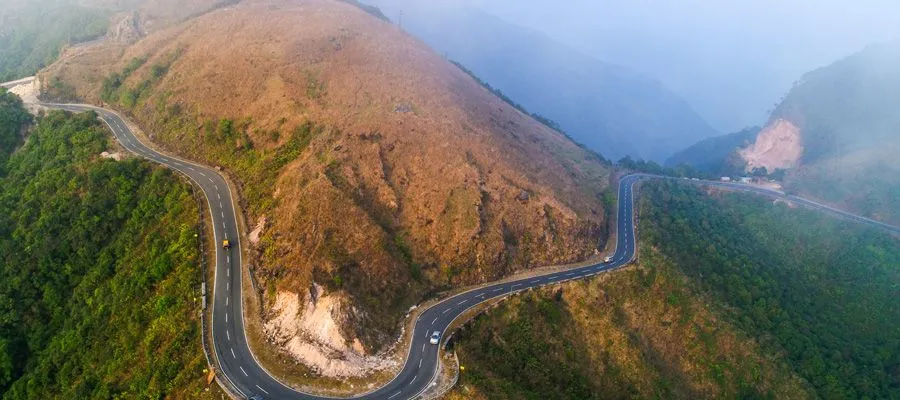
Take a Mawsynram village tour to witness the rich Khasi culture up close. See their unique homes with grass-covered roofs, learn about their customs, and understand how they adapt to the region’s heavy monsoon rains.
Discover lush rainforests, rolling Khasi Hills, and scenic trails perfect for trekking in Meghalaya. Explore hidden waterfalls, enjoy fresh mountain air, and soak in the beauty of this green wonderland.
Step inside the famous Mawjymbuin Cave, known for its fascinating stalactite formations, including the naturally formed Shivalinga. This is a must-visit for adventure lovers and spiritual travelers alike.
Don’t miss Nohkalikai Falls, the tallest plunge waterfall in India, especially during the monsoon when it’s at its most powerful. Explore other stunning Mawsynram waterfalls for picture-perfect moments.
Indulge in kayaking, swimming, and cliff jumping at the serene Umkhakoi Lake in Mawlyngbna – an adventure hotspot just a short drive from Mawsynram.
Experience camping in Meghalaya amidst misty valleys, starlit skies, and the soothing sound of waterfalls – a perfect way to disconnect and recharge.
Capture Mawsynram’s beauty through your lens – the misty hills, thundering waterfalls, lush green valleys, and Khasi lifestyle make for stunning Meghalaya photography spots.
Relish authentic Khasi dishes like Jadoh (rice & pork) and Pumaloi, and enjoy cultural festivals if you visit during the celebration season.
Despite being a remote village, there are some amazing accommodation options in Mawsynram that let you experience the charm of the world’s wettest place without compromising on comfort. From cozy homestays to scenic eco-resorts and budget-friendly stays in Mawsynram, you can choose a stay that suits your travel style.
Traditional Khasi Homestays are the best way to experience the local culture! Stay with Khasi families, enjoy authentic home-cooked meals like Jadoh and Pumaloi, and learn about their monsoon-ready lifestyle. If you want more options, Cherrapunji (Sohra) is just a short drive away, offering resorts with breathtaking views of the Khasi Hills.
By Air: The nearest airport to Mawsynram is Shillong Airport (Umroi), about 85.2 Km from Mawsynram. Alternatively, Guwahati Airport (Lokpriya Gopinath Bordoloi International Airport) is better connected and about 174.6 Km away. From there, you can hire a taxi or take a bus to Shillong, then proceed to Mawsynram by road.
By Train: There is no direct train to Mawsynram. The nearest major railway station to Mawsynram is Guwahati Railway Station, well connected to major Indian cities. From Guwahati, travel to Shillong by bus/taxi and then take a cab or bus to Mawsynram.
By Road: The most convenient way to reach Mawsynram is by road. Shillong to Mawsynram distance is around 60 Km (about 2–3 hours by car). Taxis, shared cabs, and private rentals are easily available in Shillong. The road journey is breathtaking, with rolling Khasi Hills, misty valleys, and scenic waterfalls along the way.
By Bus : Regular buses and shared sumos run from Shillong to Mawsynram. This is the most budget-friendly option for backpackers and solo travelers.
Planning a trip to Mawsynram, Meghalaya? Here’s everything you need to know before you go. This beautiful village, a monsoon lover’s paradise requires a little preparation to make your journey smooth and memorable.
Mawsynram is the beating heart of monsoon tourism in India. Here, the rain doesn’t stop life; it defines it. This enchanting village turns every downpour into an experience, offering travelers an unforgettable chance to witness nature at its rawest and most beautiful, and a rare glimpse into how the Khasi people live in harmony with nature.
A trip to Mawsynram is not just about chasing rain - it’s about discovering resilience, culture, and the magic of the monsoon. Visit this offbeat paradise and let the clouds, hills, and waterfalls tell you their story.
So, pack your raincoat, lace up your trekking shoes, and get ready to explore Mawsynram – India’s rain capital.
No FAQ available for this Blog.
Share This News