

No.4, Annai Avenue, Vasanth Nagar EXTN,
Srirangam, Trichy, Tamil Nadu ,620006.
CIN: U31100TN2010PTC078389
DUNS Number: 859496557

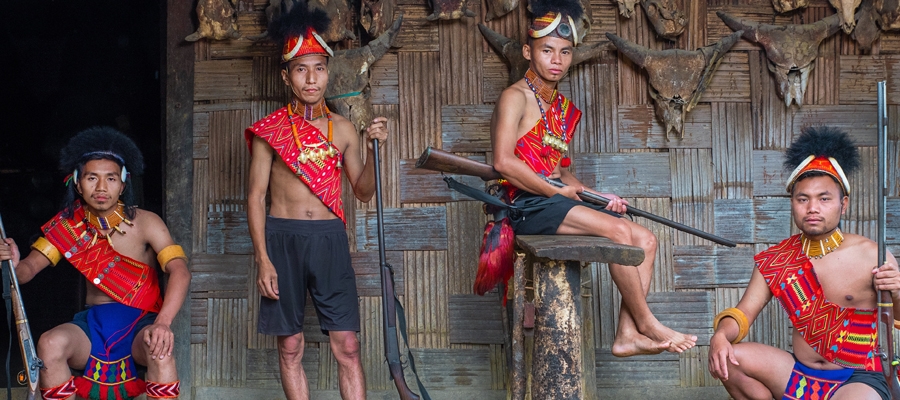
Hidden beyond India’s fast-moving cities lives an older rhythm—raw, rooted, and radiant. The tribes of India carry stories older than history, woven through forests, hills, and deserts. From ancient rituals to everyday wisdom, India’s indigenous tribes reflect a living heritage. These aren’t just communities. They are India’s original heartbeat, still alive, still powerful, still beautifully untouched.
India's tribal landscape is a vast group of over 700 unique communities. Known as Adivasis, thesetribes of India possess deep ecological knowledge and distinct cultures. From misty Himalayan villages to the forests of Central India and the hills of the Northeast, the tribes of India reveal a world rooted in nature, tradition, and quiet resilience. These ancient indigenous communities preserve unique languages, art, rituals, and egalitarian social values, offering a living window into India’s most ancient cultural roots.
Indian tribes trace their origins to the earliest waves of human migration into the subcontinent, making them among the oldest living communities in India. Long before kingdoms and cities emerged, these ancient societies thrived as forest dwellers, hunters, and early farmers. Overcenturies, despite invasions, migrations, and cultural shifts, they preserved their identities through oral traditions, sacred rituals, and close-knit kinship systems.
India is home to over 700 indigenous communities, making the tribes of India a living showcase of cultural diversity. The prominent India tribes list includes the Gonds, Bhils, Santhals, and Mundas of Central India; the Nagas, Mizos, and Bodos of the Northeast; the Garasias and Siddis of Western India; the Todas, Kotas, Irulas, and Kurumbas in the South; and the ancient island tribes of the Andaman & Nicobar Islands like the Jarawas, Sentinelese, and Onge, each preserving distinct identities, languages, and traditions.
Northeast India showcases some of the most fascinating tribes of India, including the warrior Nagas, music-loving Mizos, and plains-dwelling Bodos of Assam. Alongside them thrive the Khasi and Garo of Meghalaya and Apatanis of Arunachal. These India indigenous tribes preserve vibrant languages, crafts, festivals, and nature-linked traditions that reflect ancient tribal heritage.
Among the famous tribes of India, the Gonds, Bhils, Santhals, and Mundas shape the cultural soul of Central and Eastern Indian. The Gonds are celebrated for nature-inspired art, the Bhils for archery and folklore, Santhals for vibrant dance and community governance, and Mundas for agrarian life rooted in ancient traditions and leadership.
Among the many tribes of India, the Garasias and Siddis stand out for their strikingly different roots. The Garasias of Gujarat and Rajasthan are an ancient indigenous tribe, known for agriculture, folk traditions, and a Bhili-based language. The Siddis, one of the most famous tribes of India, trace African ancestry, preserving vibrant Goma music and Dhamal dance while blending seamlessly into Indian culture.
Tucked into the misty Nilgiri Hills, the Todas, Kotas, Irulas, and Kurumbas are among the most fascinating tribes of India, each guarding a rare way of life. From the buffalo-herding Todas and artisan Kotas to the forest-wise Irulas and mystical Kurumbas, these ancient tribes of India reflect deep ecological wisdom, resilience, and living heritage.
The Andaman Islands harbour some of the world’s most isolated acient tribes of India. The Jarawas are nomadic hunter-gatherers, wary of outsiders, while the Onge are skilled canoe-makers, surviving between sea and soil. Most famously, the Sentinelese remain fiercely untouched by the modern world, on North Sentinel Island, representing a crucial, protected part of the tribes of India list.
The famous tribes of India maintain a profound cultural identity rooted in nature worship and oral traditions. Their unique India indigenous tribes heritage shines through in distinct languages, vibrant Warli paintings, and rhythmic festivals linked to agriculture, ancestral reverence, and rituals. Their world runs on kinship and belief. Modern threats rise, yet their identity quietly survives. Still alive. Still proud.
The ancient tribes of India are vital to ecology, acting as nature’s original custodians. The tribes of India have quietly protected forests long before “conservation” became a word. These India indigenous tribes practice sustainable resource management, like selective harvesting and rotational farming. Their spiritual reverence, manifested throughh sacred groves and tree worship, actively protects biodiversity and preserves crucial crop genetic diversity.
Sadly, India indigenous tribes face severe challenges today. Widespread poverty, land alienation from industrial projects, and lack of healthcare access are common. Moreover, cultural erosion and discrimination threaten the unique identity of these ancient tribes of India, jeopardizing their irreplaceable heritage and traditional knowledge. The struggle is real. So is the resilience.
Step into stories older than kingdoms. With Indian Panorama, discover the tribes of India through living traditions, forest trails, music, festivals, and forgotten paths. From famous tribes of India to hidden hamlets, every journey feels personal, raw, real. It’s heritage you don’t just see, you feel. Come curious. Leave changed, for good. Ancient paths still breathe through India indigenous tribes today.
The future of India indigenous tribes depends on a delicate balance. While land loss and assimilation threaten their heritage, these ancient tribes of India possess vital ecological knowledge for climate solutions. Youth activism and policy inclusion are crucial to empower them, ensuring their unique culture becomes a respected cornerstone of India's sustainable growth.

Share This News