
No.4, Annai Avenue, Vasanth Nagar EXTN,
Srirangam, Trichy, Tamil Nadu ,620006.
CIN: U31100TN2010PTC078389
DUNS Number: 859496557

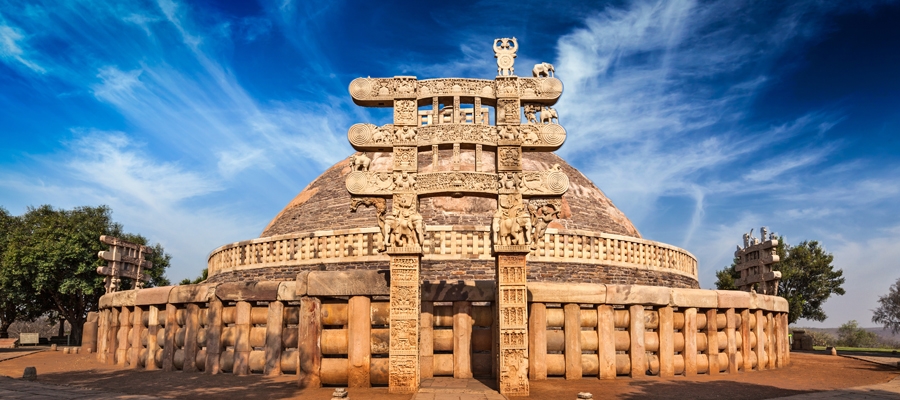
The legacy of Buddhism’s architecture sparkles across the subcontinent in the form of stupas — dome-shaped monuments that houses sacred remains celebrate the life of Buddha and welcome calm contemplation. This guide highlights the top stupas in India, melding history, spirituality, and travel tips so you can plan a meaningful pilgrimage or heritage trip to the Stupas in India
Beginning from the ancient carvings at Sanchi, moving through the tranquil white-topped Shanti Stupas in Ladakh, then heading towards the serene heights of Dhauli Giri in Odisha - India's stupas reflect not just the artistic skill but also how Buddhism has transformed over time. Constructed under leaders such as Ashoka, shaped by wise monks, safeguarded by generations of faithful tourists who carried their beliefs forward. Every great stupa at sanchi India carries a unique story - relics inside, carvings of ancient tales at entrances, surroundings enriching the calm reflection. As a group, they trace an everlasting path through time, mindful focus, tradition. Listed here are 15 important stupas in India worth visiting on any Buddhist pilgrimage tour in India no matter if you’re questing for meaning, fascinated by the past, or exploring the soul of India.
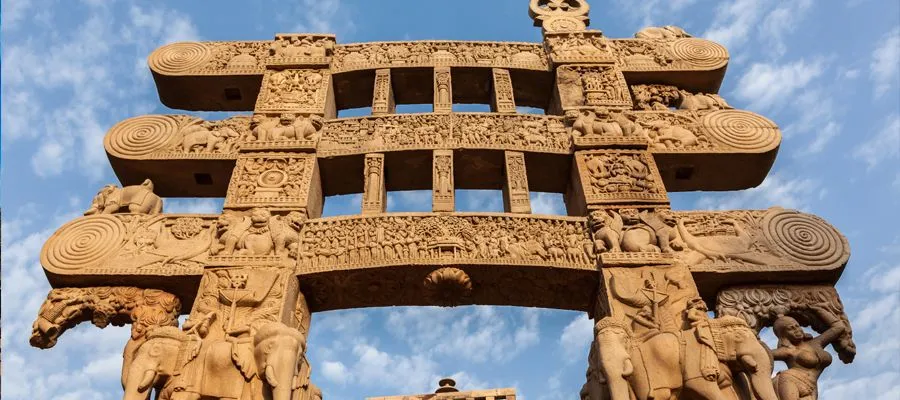
The Sanchi Stupa, popularly known as the Great Stupa at Sanchi, ranks among India’s oldest stone buildings and carries the UNESCO World Heritage status. Initially constructed under the rule of Ashoka around the 3rd century BCE, it highlights a rounded dome (anda), a footpath for rituals (pradakshina), together with intricate gateways (toranas) depicting Buddhist Jataka stories. For visitors who are fond of the Great Stupa at Sanchi, this site offers rich history alongside calm surroundings where traces of ancient chants seem almost alive.
In Sarnath the place of the Buddha’s first teaching - the huge Dhamek Stupa is one of the important stupas in India Built many years ago, then renovated numerous times, its round structure features intricate stonework across its surface. Tourists drawn to spiritual roots or ancient tales visit here to sense the significance of that original message on morality and mindfulness. Museums nearby houses ancient artifacts and carvings, so those exploring how Buddhism developed in India often include this place in their tour itinerary.
Bodh Gaya's Mahabodhi area encircles the sacred Bodhi Tree - where Buddha attained awakening. It is a famous stupas in India in which above elevates a temple, stupa-shaped, harmonious in form, teemed with calm reverence. While present building comes from more modern era, the spot itself carries unparalleled spiritual significance. Tourist from many Asian countries visit her to sit in silence under the Bodhi tree’s branches or stroll around the shrine making Bodh Gaya an important Buddhist pilgrimage site for everyone.

Preached on a hill above Leh, the white Shanti Stupa is one of the important stupas in India that stands as a contemporary structure meant to support harmony. Rising at dawn or dusk, tourists gather here, attracted by stunning views of the Himalayas. With its gleaming dome and carved images of the Buddha, the place feels serene and open. Minimal design and calmness invite moments of thought following trips through religious landmarks nearby Rather than reviving past aesthetics, this stupa reflects how new designs can carry forward ideals of nonviolence.
Kushinagar holds the place where Buddha reached parinirvana. At this spot stands the Ramabhar Stupa, a quiet symbol attracting visitors seeking reverence while pondering transience. Though basic in shape, it carries deep significance, surrounded by temples, halls for practice, and ancient ruins - each part adding to a reflective mood across the land.
Chaukhandi Stupa indicates where Buddha met one of his followers following his path towards awakening. Though reconstructed numerous times, its stepped tower shape still carries ancient-world character. Preached atop gentle elevation, it offers a serene contrast - unlike the grander closer by Dhamek monument. This spot cater to visitors seeking calm oments rather than crowded sites across Sarnath.
Kesariya Stupa stands tall on Bihar’s flatlands - the biggest Buddhist site around and it is one of the famous stupas in India Digs show it was rebuilt several times, proving lasting significance. You can walk up open steps for views of farms and towns, picturing monks and travelers passing through centuries ago. Its size sets it apart from other key stupas across India.
Dominated by a hill close to Gangtok, Do Drul Chorten stands as a bright Tibetan-inspired stupa, surrounded with spinning prayer wheels along fluttering colored banners. While holding sacred remains, it serves as a spiritual hub where devotion continues daily across Sikkim. Although small in size, the monastery grounds bring rhythm through rotating prayers, offering an engaged glimpse into Himalayan Buddhism's lived tradition.
Amaravati, once renowned as a major hub for Buddhist study, had a stupa adorned with intricate carvings showing stories from the Buddha's life together with Jataka stories. Though just fragments still remain today, its importance in archaeology remains highly important and many artifacts have been shifted to museum collections. The influence of Amaravati highlights how widely early Buddhist endorsement and artistry spread across India.
Located near Bodh Gaya’s sacred grounds, the Animesh Lochan Stupa stands small in scale yet offering deep spiritual significance. Tourists stroll around it leisurely- using the space for calm thought, connecting their practice with spiritual sites nearby. Though simple and elegant in form, this site invites deep reverence from those who come to reflect.
Namgyalma Stupa in Dharamsala carries forth Tibetan Buddhist customs, operating as a hub for healing ceremonies or spiritual protection. With the Himalayas behind it, the stupa’s intricate architecture together with ongoing rituals reflects how Buddhist life remains alive still even today among relocated communities and mountain populations throughout India.
Dhauli’s Shanti Stupa rests atop a ridge tied to Emperor Ashoka’s transition to Buddhist principles. Following the Kalinga conflict; this white structure represents harmony and transition. It offers breathtaking sights of coastal areas together with flatlands below. A visit blends ancient depth with natural scenery - emphasizing Ashoka’s shift from warfare toward kindness through serene reflection.
Thotlakonda’s big stupa is among the old Buddhist structures along the shore, overlooking the Bay of Bengal nearby Visakhapatnam. Previously connected to a seaside monastery network, this stupa along with surrounding fragments reflects early sea-based commercial activities and how Buddhism traveled across water routes What makes this location unique from others is its meld of historical findings along with breathtaking sea vistas.
Shravasti thrived during the Buddha's era; here, the Anathapindika Stupa reflects his relentless support for the monastic community. This monument, set among ancient temples and remnants, recalls the teacher’s extended visits while emphasizing close ties between local followers and monks. These connectivity helped sustain early Buddhist practice across generations.
The Clement Town Stupa, part of the Mindrolling Monastery grounds, is one of the important stupas in India that stands unique as a contemporary yet majestic structure due to its huge size and intricate shrines. Deeply rooted in Tibetan art forms, this stupa also reflects the influences Indian design throughout. Instead of just operating as a sacred site, it reinforces meditation programs, teachings, and community interaction nearby Dehradun.
1. Respect the local traditions: remove your shoes, wear modest attire while maintaining is silence in places of worship.
2. Explore outdoor during mornings or evenings - this helps avoiding the bustling duration and plus scorching temperatures.
3. Carry water, protect yourself from sunlight, and also wear footwear or shoes that feel comfortable on your feet - some stupas include short strolls or small climbs.
4. Follow the with photography guidelines - some stupas restrict photography within sacred spots.
5. Hiring local guide at major spots - Sanchi, for instance - or Bodh Gaya will offer deeper insights.
6. Link nearby spots - like Sarnath with Varanasi or Bodh Gaya along with Nalanda - to use time better plus gain richer experience.
Travelers wanting planned trips might try trusted tour guides focused on Buddhist trails. These deals often feature trained leaders, calm lodging close to holy spots, or insights into history and meaning behind every stupa. Pick schedules allowing quiet moments to think or meditate in peaceful zones; also check if they adjust for festivals when ceremonies bring life to several stupas.
India's stupas link past eras, spiritual ideas, and creative skill in physical form. Starting from Sanchi’s sculpted gateways to elevated shrines like Shanti Stupa or seaside remains at Thotlakonda, every structure reflects unique aspects of Buddhist philosophy along with societal values behind its creation. Traveling to such places goes beyond ordinary viewing - it becomes a movement across ages, offering thoughtful visitors peace, insight into history, and recognition of diverse faith traditions shaping India. Add multiple locations to your upcoming itinerary; let their stillness guide you toward inner reflection instead.

Share This News