

Walking in nature is a gentle pause from life, where the mind softens, the senses awaken, and the soul finds harmony with the wild. Imagine mist rising from forest canopies at dawn, alarm calls echoing through sal trees, and the thrill of spotting striped or spotted silhouettes emerging from tall grass.
This is the magic of national parks in India, where ancient landscapes protect extraordinary wildlife. From legendary tiger safaris in India to rare lion encounters, these forests represent the very best of conservation. Exploring a tiger reserve in India is not only about sightings but about understanding nature’s balance.
This guide to India's top national parks will help you plan an immersive journey into nature, one exciting safari at a time. Experience an in-depth encounter with nature’s raw and untouched beauty.
Planning a journey to India? Explore our carefully designed India tour packages by Indian Panorama, a trusted Indian tour operator offering private and customized tours across the country.
Must Visit National Parks in India
Entering India’s national parks is like walking into a poem brought to life, where quiet forests whisper, rivers murmur softly, and wildlife thrives in natural harmony.
In this blog, we explore thrilling tiger safaris and peaceful natural landscapes. Each park promises unforgettable moments, inspiring travelers to slow down, explore responsibly, and reconnect with India’s timeless natural heritage.
Jim Corbett National Park, Uttarakhand
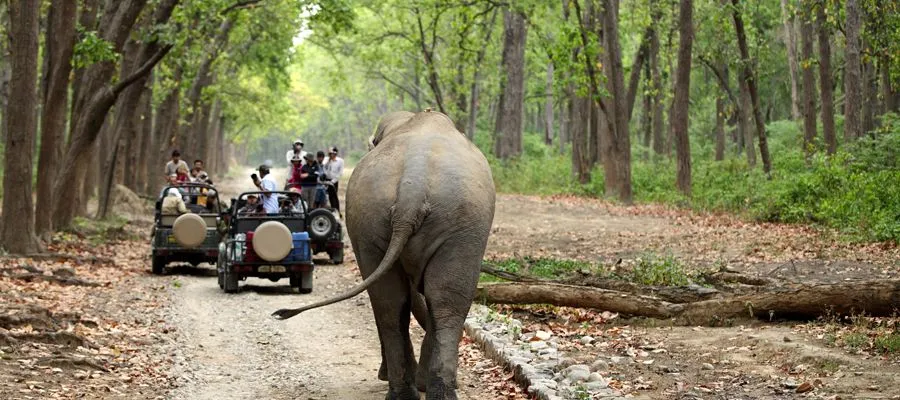
As dawn unfolds over the Himalayan foothills, Corbett National Park awakens, echoing with birdsong and the quiet movement of the wild.
Walking—or rather driving—through its sal forests and riverbanks feels like entering a timeless wilderness. This is where India’s conservation story began, and every safari carries a sense of legacy. The Ramganga River brings a soothing feel, and what a joy just to think that one could possibly witness a tiger!
Jim Corbett National Park offers travellers a rare chance to witness India’s iconic wildlife, pristine forests, and tranquil river landscapes in their most natural setting.
Best time: November–June
Safari time: Morning and afternoon
Wildlife: Tiger, elephant, leopard, deer, gharial, birds
Traveller tip: Book safaris in advance and choose Dhikala zone for richer landscapes.
Kanha National Park, Madhya Pradesh
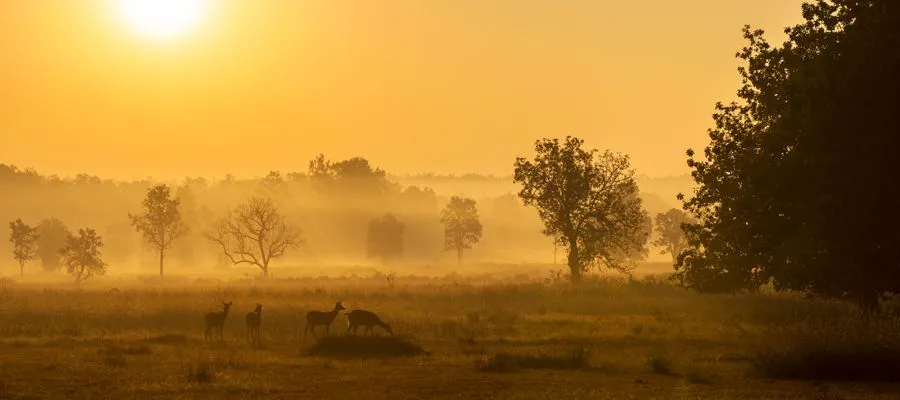
Kanha National Park in Madhya Pradesh feels like a living storybook, where wide, sunlit meadows gently melt into dense sal and bamboo forests. Gliding through this captivating terrain, the safari unfolds scenes of quiet harmony, where diverse wildlife coexists amid subtle calls of the wild and an overwhelming sense of peace.
Celebrated for its remarkable conservation efforts, Kanha stands as a true success story, having revived the once-endangered barasingha deer and restored the forest’s natural balance with pride and hope.
Watching a tiger roam freely or stalk its prey across Kanha’s open grasslands is an unforgettable experience that stays etched in memory. Yet, the true beauty of the park goes beyond wildlife sightings—it lies in the deep sense of peace and serenity that gently surrounds every visitor, making each moment in Kanha quietly magical.
Best time: October–June
Safari time: Morning and evening
Wildlife: Tiger, leopard, barasingha, wild dog, gaur
Traveller tip: Opt for early-morning safaris for peaceful forest views and better sightings.
Bandhavgarh National Park, Madhya Pradesh
Bandhavgarh is a forest where anticipation lingers with every step. Each curve of the safari trail carries excitement, as this park holds one of India’s highest tiger densities. Ancient ruins lie hidden among trees, while the mighty Bandhavgarh Fort rises above the jungle, whispering stories of history and wilderness intertwined.
Its compact safari zones create frequent, intimate wildlife encounters, making every sighting feel close and personal. A tiger here is not just seen, but felt. Travelers must visit Bandhavgarh for its powerful tigers, living history, dramatic landscapes, and the deeply emotional connection the forest creates. Truly unforgettable forever for visitors.
Best time: October–June
Safari time: Morning and afternoon
Wildlife: Tiger, leopard, hyena, sambar, chital
Traveller tip: Visit during summer months when animals gather near water sources.
Kaziranga National Park, Assam
Kaziranga welcomes you with vast grasslands dancing beneath wide, open skies. This UNESCO World Heritage Site feels beautifully untamed, sculpted by flowing rivers, seasonal renewal, and the enduring spirit of survival.
As you journey through the park, one-horned rhinos emerge like timeless guardians of the plains. Herds of wild buffalo and deer move freely across the landscape, while vibrant birdlife fills the air with colour and motion. More than a wildlife sanctuary, Kaziranga tells an inspiring story of nature’s strength, balance, and enduring resilience, leaving visitors deeply moved by its untamed beauty.
Best time: November–April
Safari time: Jeep and elephant safaris (morning best)
Wildlife: One-horned rhino, tiger, wild buffalo, swamp deer
Traveller tip: Carry binoculars and avoid monsoon season due to flooding.
Periyar National Park, Kerala
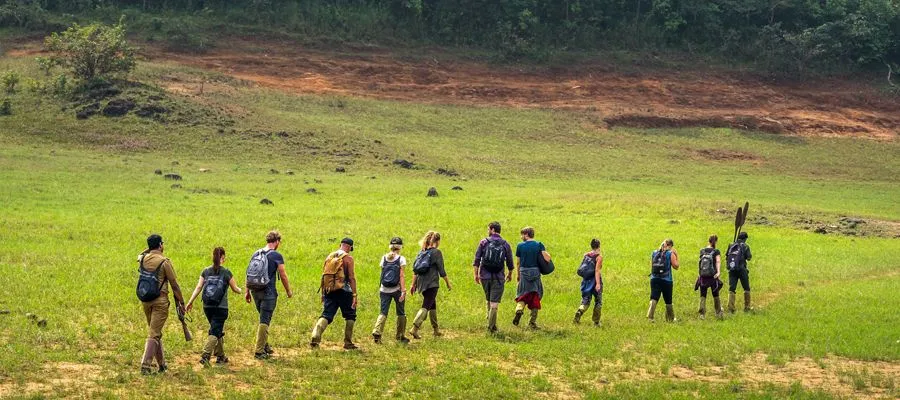
Located in Thekkady, Kerala, Periyar unfolds as a gentle, soulful wilderness, offering a quieter and more reflective wildlife experience. Wrapped in misty hills and fragrant spice forests, the serene Periyar Lake forms the heart of the park.
A boat safari drifts like a meditation, where elephants appear silently along the shoreline. Visitors may also spot sambar deer, wild boar, Nilgiri langur, Malabar giant squirrel, and rich birdlife. Here, the forest encourages stillness rather than pursuit.
Periyar is ideal for travelers seeking calm, connection, and meaningful moments where nature speaks in whispers, not roars.
Best time: October–April
Safari time: Boat safaris throughout the day
Wildlife: Elephants, deer, wild boar, birds, occasional tiger
Traveller tip: Choose boat safaris in the early morning for calm waters and clear views.
Nagarhole National Park, Karnataka
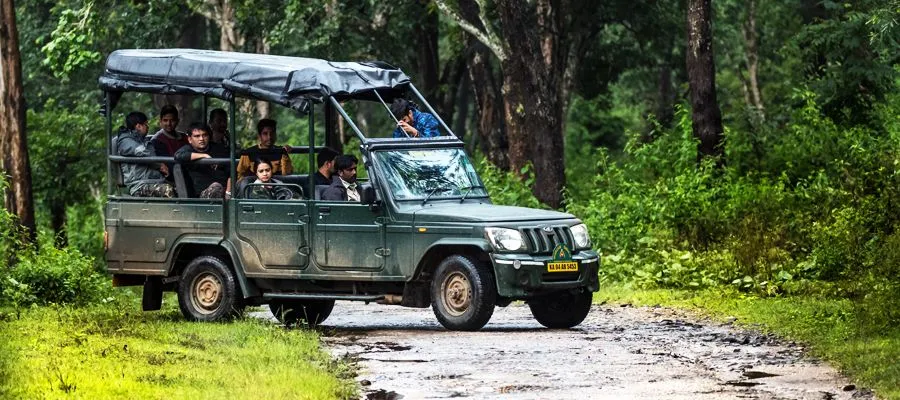
Located in Karnataka, along the edge of the Western Ghats, Nagarhole National Park feels like a forest that quietly reveals itself—calm, mysterious, and full of life. As you move through dense teak and rosewood forests and along winding streams, the safari becomes an intimate journey rather than a hurried chase.
A gentle silence drapes the forest, softly broken by elephants crossing the path or distant alarm calls echoing through the trees. Within this tranquil setting, visitors may encounter tigers and leopards, along with gaurs, deer, wild boar, and a vibrant variety of birdlife, making every quiet moment rich with possibility.
Less crowded than many reserves, Nagarhole invites travelers to slow down, breathe deeply, and truly connect with the wild.
Best time: October–May
Safari time: Morning and evening
Wildlife: Tiger, leopard, elephant, gaur, sloth bear
Traveller tip: Stay inside forest lodges to enjoy quieter safaris and natural sounds.
Ranthambore National Park, Rajasthan
Located in Sawai Madhopur, Rajasthan, Ranthambore is a thrilling blend of wildlife and history. Here, majestic tigers roam freely across open landscapes, framed by rugged hills, sparkling lakes, and dry deciduous forests.
The ancient Ranthambore Fort rises majestically above the jungle, watching over every safari and adding a timeless sense of history to each wildlife encounter.With wide open spaces, wildlife sightings are frequent, exhilarating, and unforgettable.
Ranthambore is perfect for travelers seeking iconic tiger encounters, dramatic landscapes, and a deep connection with India’s natural and historical heritage—an experience that leaves every visitor spellbound.
Best time: October–June
Safari time: Morning and afternoon
Wildlife: Tiger, leopard, marsh crocodile, hyena, nilgai
Traveller tip: Keep cameras ready—tigers here are often spotted in open daylight.
Bandipur National Park, Karnataka
Located in Chamarajanagar, Karnataka, Bandipur welcomes visitors with smooth forest roads and gentle wildlife encounters. Part of the Nilgiri Biosphere Reserve, the park offers a perfect balance of natural beauty and rich biodiversity.
Herds of elephants often steal the spotlight, while deer, birds, and other wildlife appear effortlessly along the way. Well-organized and beginner-friendly, Bandipur is ideal for families and first-time safari travelers seeking a comfortable yet authentic jungle experience surrounded by the serene charm of southern India’s forests.
Best time: October–May
Safari time: Bus and jeep safaris
Wildlife: Elephant, tiger, deer, sloth bear, peafowl
Traveller tip: Ideal for family adventures—experience comfort, safety, and unforgettable wildlife sightings on your safari.
Sundarbans National Park, West Bengal
Cradled along the southern edge of West Bengal, where mighty rivers meet the Bay of Bengal, the Sundarbans unfolds as the largest mangrove forest on Earth. Life here moves with the tides, and among its tangled waterways roams the iconic Royal Bengal Tiger, perfectly adapted to swimming across channels and thriving in salty waters.
Sharing this watery wilderness are estuarine crocodiles, elusive fishing cats, herds of spotted deer, wild boars, playful Gangetic dolphins, and countless birds, turning the Sundarbans into a living story of resilience, wonder, and wild beauty.
Best time: November–March
Safari time: Daytime boat safaris
Wildlife: Royal Bengal tiger, crocodile, spotted deer, birds
Traveller tip: Follow forest rules strictly and travel only with authorized guides.
Sasan Gir National Park, Gujarat
Tucked away in Gujarat’s Junagadh region, Sasan Gir stands as a symbol of hope and conservation success. It is the last natural refuge of the majestic Asiatic lion, where dry deciduous forests, rolling grasslands, and rocky hills create a dramatic stage for wildlife encounters. Seeing a lion pride resting or moving freely through this landscape is a powerful and humbling experience.
Beyond lions, Gir shelters leopards, striped hyenas, jackals, sambar and chital deer, nilgai, marsh crocodiles, and an impressive variety of birdlife.
Gir’s story is one of revival, shaped by decades of careful protection, local community support, and sustainable wildlife management.
Best time: December–April
Safari time: Morning and evening
Wildlife: Asiatic lion, leopard, jackal, deer species
Traveller tip: Book lion safaris online well ahead, especially during peak season.
Safari Booking Tips and Permits
- The most popular parks and peak areas tend to sell out very quickly. Book a minimum of 2-4 weeks in advance.
- Carry a valid government-issued photo ID matching you’re booking details to secure entry permits.
- Opt for an early morning safari for better wildlife activity and softer light for photography.
- Always book safaris through official forest department websites or authorized portals to avoid scams.
Packing Checklist for Jungle Safaris
- Comfortable closed shoes with lightweight socks
- Binoculars to spot wildlife from a distance
- Camera or phone with extra batteries or a power bank
- Valid photo ID and safari permit (printed or digital)
Conclusion
Stepping into India’s wilderness feels like entering a timeless symphony, where whispering forests, flowing rivers, and hidden wildlife come together in perfect harmony. From dense jungles and open grasslands to tranquil wetlands and mystical mangroves, India’s national parks safeguard some of the world’s richest biodiversity.
Whether it’s the thrill of a tiger safari in India, tracking wildlife in a famed tiger reserve, spotting majestic lions in Gir National Park, Gujarat, or exploring iconic landscapes like Ranthambore National Park, every journey is unforgettable. Exploring the top national parks in India is not just travel—it’s a living story of adventure, conservation, and awe.
Plan your India wildlife Tour with Indian Panorama, a Leading Destination Management Company (DMC) let India’s forests leave an everlasting mark on your soul.