
Amarnath Cave Temple
About Amarnath Cave Temple
One of the most respected Hindu pilgrimage sites in India is the Amarnath Cave Temple, which is located in the Jammu and Kashmir region. Inside a high-altitude cave in the Himalayas, it has a naturally formed ice lingam known as Baba Barfani, which followers believe waxes and wanes in accordance with the lunar cycle. The cave is encircled by snow-capped peaks, pine woods, alpine meadows, and glaciers, making it a unique location for nature enthusiasts as well as a place of spirituality. Its legendary connotations—tales of Lord Shiva disclosing the key to immortality in Amarnath—as well as the physical difficulty of the pilgrimage, which attracts thousands of people every season, contribute to its significance.
Top Tourist places to visit in Amarnath Cave temple
Amarnath Cave Temple is itself one of the important central destinations. But still there are many other areas along with the pilgrimage sir which are worth visiting
- Pahalgam & Chandanwari: Chandanwari is about 16 km from Pahalgam, is where the trek typically begins. Pahalgam obliges as the traditional initial point for the pilgrimage via the Pahalgam route. The town is scenic, with the Lidder River flowing through, making for picturesque views.
- Sheshnag Lake: At an elevation of roughly 3,590 meters, Sheshnag Lake is situated along the Pahalgam trail. The surrounding meadows and serene, reflected waters of this lake are well-known. It offers pilgrims a lovely place to stay while they acclimate.
- Panchtarni
Before reaching the cave, Panchtarni is one of the final base camps. It is often used by trekkers coming via both Pahalgam and Baltal. The camp offers basic facilities, and many pilgrimages send pony/palki services up to this point. - Baltal
When compared with pahalgam route, Baltal provides a shorter but steeper route to the cave. People who wants to shorten the journey in time or physically fit, often use this route. In Baltal one can find camping or tent arrangements for pilgrims. - Sonmarg
Sonmarg is a nearby hill station which is so beautiful and can be explored if the pilgrims have time before or after their yatra. It has lot to offer like stunning landscapes, lakes, and also serves as a beautiful contrast to the vigorous lodging on the yatra route. - Surrounding Scenic Meadows and Passes Along the Pahalgam route, you will cross meadows, glacial streams, forests, steep ascent regions, and high passes. Each part brings new views: snow patches, the green meadows, and wide Himalayan panoramas. Trek sections like Mahagunas Pass and others are both challenging and awe-inspiring.
Things To Do in Amarnath Cave Temple
Travelling to Amarnath Cave Temple, reaching the shrine, this journey itself provides an unforgettable experience.
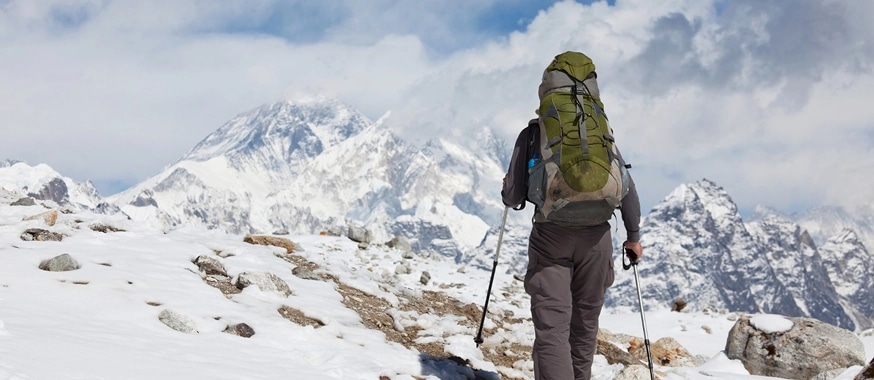
Trek the Pilgrimage Routes: The Baltal route is shorter and involves approximately 14 km, steeper, and it can be done in 1 to 2 days. This route is ideal for those who are physically fit and who wants to complete the pilgrimage more swiftly. But the traditional Pahalgam route is about 45 to 48 km long and it would take about 3 to 5 days.
Spiritual Darshan at the Cave – Great Experience: The primary event is the Darshan of the naturally created ice lingam which is located inside the cave and witnessing this is the yatra's conclusion. The interior of the cave is modest and unadorned, yet it is overflowing with holy feeling and devotion.
Overnight stay in Base Camps: one can spend the nights in the resting camps like Chandanwari, Sheshnag, Baltal, and Panchtarni. These camps provide time for rest, adaptation, and taking in the natural environment. There are basic tents, langar food services, and medical assistance accessible.
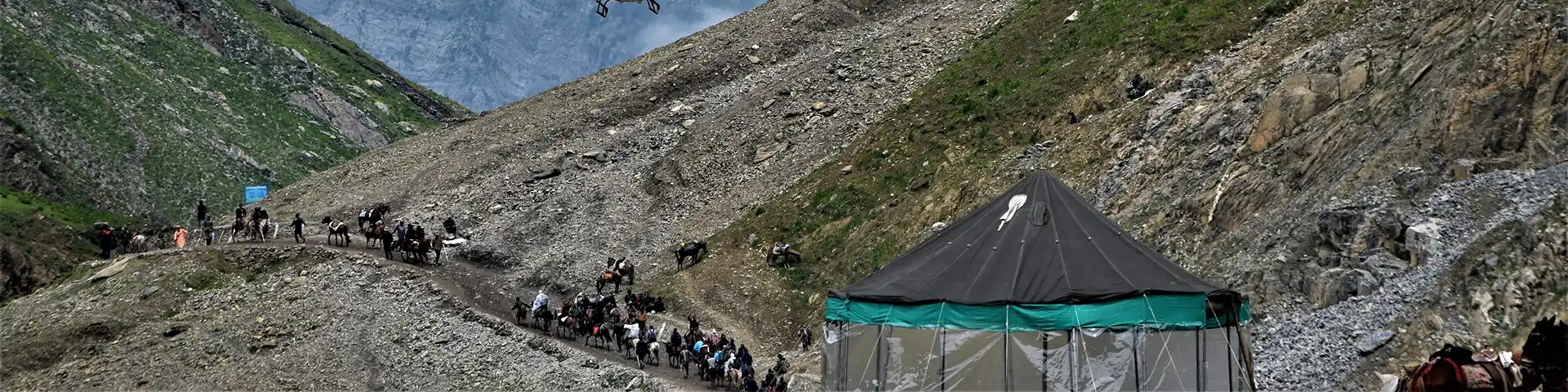
Make effective use Palki or Pony Services: There are numerous sectors that offer pony rides or palkis (palanquins) for pilgrims who are unable to walk the full trip or for whom the landscape is difficult. These services make traveling a bit easy and reduce the burden of trekking.
The Option of Helicopter: There are helicopter flight services available to Panchtarn from Baltal or Pahalgam, which would greatly cuts down on trip time. And also from Panchtarni, there is still a shorter hike to the cave. And if one requires helicopter services, then the has to be done well in advance.
Nature and Photography Observing: There are much opportunities for landscape photography during the journey which includes alpine lakes, snow fields, , valleys, rivers, and wildlife. It can be very fulfilling to observe the local vegetation, including alpine flowers, and once the elevation increases, one can see the changes that the environment undergo.
Engage in Local Traditions & Langar Seva: Community kitchens, or langars, provide food to pilgrims throughout the trip, which are commonly provided for free. The spiritual and community aspects of trips and journeys visiting the Amarnath Cave Temple are enhanced by taking part in or watching these services.
Best Time to visit Amarnath Cave Temple: The Amaranth Cave Temple opens only for a particular time and that too for a brief time each summer, often from late June to early August (the exact dates vary each year based on the lunar calendar and weather). During those period, the weather is comparatively milder. And most paths are no longer covered with snow. Moreover base camps are open during this window. Although there are less people in the early part of the season, the high altitude may still make nights extremely cold. There are more pilgrims during the mid-season, but the weather is also steadier.
Things to know before visiting Amarnath Cave temple:
Physical Fitness is important: To visit Amarnath Cave temple, the first and foremost important thing is physical fitness. Because the trek involves high altitude, steep climbs, and variable weather. So one has to be physically fit and prior preparation like walking, familiarization—is strongly recommended.
Registration & Permits: Registration is very much needed. All the pilgrims must register through the Shri Amarnath Ji Shrine Board (SASB). And a compulsory medical fitness certificate is very important and ID proof, permit, and sometimes biometric data are also required. If there is no valid registration then entry is not permitted and allowed.
Weather can be Changeable: Though if we visit during the opening season, the weather may shift suddenly as it is not predictable. One can expect snow, rain, cold winds which are more possible. During daytime one may feel warm, and during nights one can drop well below freezing.
Only basic facilities are available: One has to be very clear that in the camps and also along the route, no proper accommodation available. So expect only simple tented accommodations, shared food stalls (langars) communal restrooms, and limited options for comfort. Always plan for minimal amenities.
Respect Local Practices: Pilgrims have to respect all the local practices. As everyone aware Amarnath Cave temple is a sacred pilgrimage site. So everyone has to maintain silence in certain zones. And always avoid non-vegetarian food, alcohol and smoking. And adhering to guidelines and follow instructions are both respectful and required.
Altitude Sickness Risks: Due to the trek's high heights in some places, altitude sickness is a possibility. Take rest days, drink enough water, be aware of symptoms like headache, lightheadedness, and nausea.
Make the right choice of Route: The Pahalgam route is longer but gradual; the Baltal path is shorter but steeper. Choose based on the physical fitness.
Thoughtful of these beforehand confirms that your Amarnath Cave temple travel tips are grounded in practicality and preparedness.
How to reach Amarnath Cave Temple
Various ways available to reach the holy cave. By air, train, road, and by trekking. Please find the details to plan Amarnath Cave temple tours and travels.
By Air to Srinagar:
The nearest airport is Sheikh Ul‑Alam International Airport, Srinagar (SXR). And from Srinagar, travel by road either to Pahalgam or to Baltal.
By Train to Jammu:
Jammu Tawi Railway Station is the nearest major railway station. From Jammu, move on by road to Pahalgam, Srinagar, or Baltal to reach Amarnath Cave Temple.
By Road:
- Travel by road from Jammu to Srinagar via NH44 and take approximately 7 to 9 hours.
- Travel from Srinagar to Pahalgam and take approximately 90 to 100kms.
- Travel from Srinagar to Baltal and take approximately take 100 to 110 kms.
- State transports are there JKSRTC) and private taxis are available to cover these routes.
Trekking to the Cave:
- Pahalgam route: Trekking would take approximately 45–48 km total trek through Chandanwari → Pissu Top → Sheshnag → Panchtarni → Amarnath Cave. This would take 3 to 4 days normally.
- Baltal route: in this route trekking would take about 14 km trek route will be steeper from Baltal to cave. And this can be done in 1 to 2 days.
- Helicopter option: No regular services are there and in some seasons, helicopters fly from Pahalgam or Baltal to Panchtarni, helps reducing the trek distance. But keep in mind that sometimes aerial services may be suspended without any prior notice.
Amarnath Cave Temple Travel tips:
- Practice walking and breathing exercises prior to the travel week.
- Always keep gloves, woollen cap, waterproof outer shell, windproof jacket, and thermal base layers on hand.
- Use sturdy trekking boots with good grip and ankle support.
- Have water, energy bars, nuts, dry fruits, jaggery, chocolate.
- Begin the day’s trek before dawn to avoid weather changes.
- Have rest breaks, don’t compel yourself too hard.
- First‑aid kit, trekking pole, sunscreen, sunglasses, headlamp, extra socks.
- Pack minimal baggage.
- Always have your Yatra permit, CHC, identity proof, and copies in a waterproof pouch.
- Keep the environment clean
- Helicopter services or route permissions may change. For 2025, aerial services may be limited due to no‑fly zone restrictions.
Above tips assist you to take wiser decisions during your Amarnath Cave temple tourism adventure.
FAQs — Amarnath Cave Temple

Popular Tour Packages
Most booked holidays, hand-picked by our travellers