
Ramzan
Why is Ramadan or Ramzan celebrated?
Ramadan, the ninth month of the Muslim calendar, is one of the holiest times for Muslims , as it marks the period when the first verses of the Holy Quran were revealed to the Prophet Muhammad by the angel Gabriel (Jibreel). Throughout the month, Muslims seek to strengthen their bond with God, reflect deeply on their lives, and pursue the purification of both body and soul. Fasting, prayer, and charity during this month bring believers closer to Allah and promote spiritual growth. The celebration is renowned worldwide for its rich traditions rooted in Islamic practice. The mention of Ramadan instantly brings fasting to the forefront, a fundamental pillar that lies at the heart of Islam. In Islamic belief, fasting is not merely abstaining from food and drink –it is an act of spiritual purification, a means of striving for inner peace and deepening one's devotion.
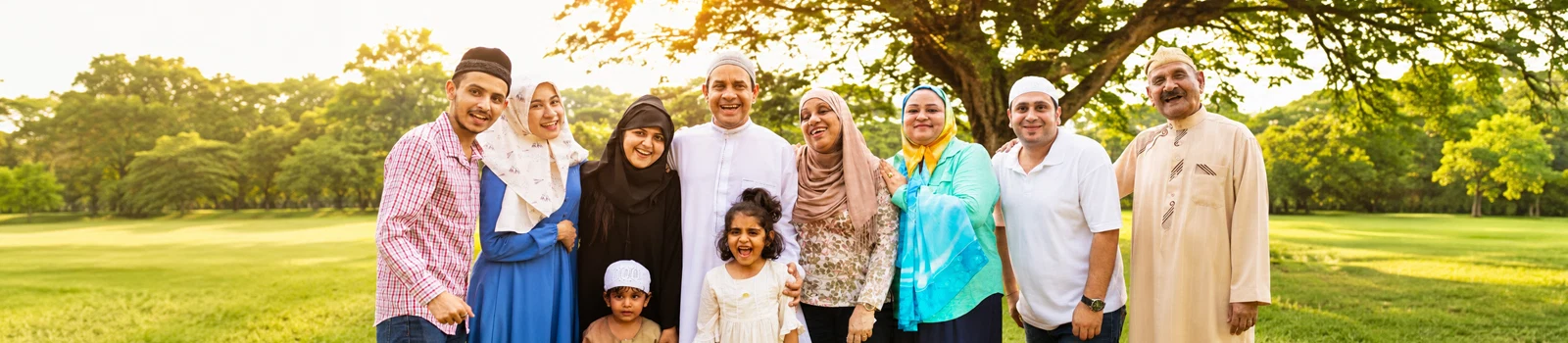
The first day of Ramadan starts with sighting the new moon, and the duration varies between 29 or 30 days based on lunar sightings, varying by region. Mosques are a significant role player in announcing the start and end date of the month. Children, pregnant women, the elderly, and individuals with health conditions are exempt from fasting during Ramadan. If someone is ill for a short period, they must make up the missed fasts later. Muslims fast between sunrise and sunset in this month. Suhur is the pre-dawn meal, and Iftar is the meal after sunset. Iftar breaks the fast, and it is a festive and social occasion that is often greeted with large gatherings. Recently, numerous mosques and local centres have started offering buffet-style Iftar dinners, fostering a sense of community. Long prayer sessions are held in the evenings, during which a portion of the Quran – specifically, one-thirtieth of it –is recited each night. The aim is to complete the Quran by the end of the 30 days.
What is the Night of Power?
One of the most significant moments of Ramadan is the 'Night of Power' (Laylat al-Qadr), believed to be the night when the entire Quran was revealed to the Prophet. It occurs during the last ten nights of Ramadan and is considered more spiritually rewarding than a thousand months. Mosques are open all night with prayers, recitations of the Quran, and charity work, instilling a strong feeling of togetherness and peace.
Throughout Ramadan, Muslims give Zakat (charity) – a voluntary act of kindness to support the poor – reinforcing values of empathy and equality. Fasting is a holistic act of worship that encourages ethical behaviour, mindful speech, righteous living, and spiritual focus during daylight hours – making it a profound ritual of purification and self-discipline.
Why Ramadan is Called "Eid"?
Ramadan is a holy month that concludes with Eid al-Fitr, the Festival of Breaking the Fast. It is one of the two major Islamic festivals. Eid is declared when the new moon is sighted on the 30th day, and the celebration begins the next morning. It's a period of great happiness –Muslims don new attire, say special Eid prayers, indulge in sweet treats such as Sheer Khurma, and meet relatives and friends. Eid is a reward for the thirty days of devotion and self-denial. Numerous people feel that being able to complete Ramadan is a way of achieving a more favourable judgment in the afterlife, so Eid is both earthly and heavenly in its celebrations.
In conclusion, the practices of Ramadan deepen spiritual commitment and contribute to overall well-being and mental clarity. Indonesia, Egypt, UAE, and Saudi Arabia take every measure to commemorate this holy period, from holding public Iftars to arranging travel for Umrah. In Indonesia alone, over 7 million individuals travel to Mecca during Ramadan.
Finally, Ramadan is a joyous month, a time to reflect and replenish. The universal themes of fasting, giving to charity, sharing meals as a community, and striving for a higher state of spirituality offer timeless lessons not only to Muslims but to all of humanity. Whether experienced first-hand or observed as a traveller, Ramadan is a deeply enriching human experience that culminates in the joy of Eid and a renewed sense of purpose.
Specialty of Festival :
Ramadan stands out because of its devotion, communal spirit, and international participation. Muslims observe fasting from dawn to dusk, beginning with Suhur and ending the fasting with Iftar, a period of food, prayer, and camaraderie. The UAE, Turkey, Indonesia, and Morocco become cultural centres during Ramadan, with vibrant night bazaars and glowing lanterns. Cities become slow by day and wake up by night, giving travellers a unique cultural experience. Ramadan is a festivity for unity, hospitality, and religious tranquillity.
Month of Festival : February – March

Cultural Immersion
Cities turn quiet by day and come alive by night.
Spiritual Significance
A deeply enriching period of devotion and community.
Festive Atmosphere
Night bazaars, lanterns and celebratory events.
FAQs
Popular Tour Packages
Most booked holidays, hand-picked by our travellers